The Rise of Cashless Societies: Benefits and Risks
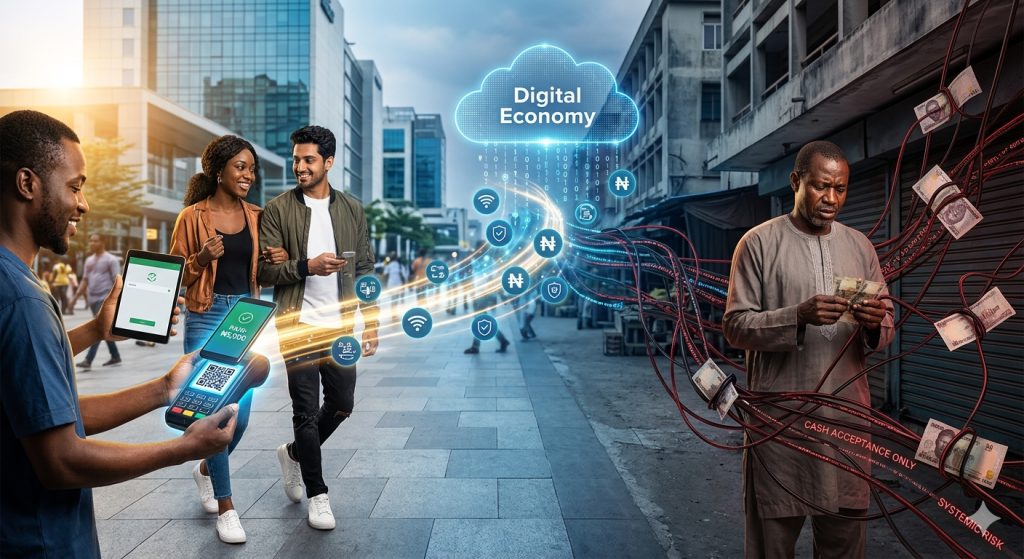
The world is rapidly moving toward a future where physical currency banknotes and coins is becoming a relic of the past. Driven by the “frictionless” nature of digital payments, many nations are transitioning into cashless societies. While this shift offers unparalleled convenience and transparency, it also introduces significant vulnerabilities that could reshape the social contract between citizens and financial institutions.
🚀 The Benefits: Efficiency and Transparency
A cashless society isn’t just about convenience; it’s about a more streamlined and accountable economic system.
- Increased Transaction Speed: Digital payments whether via smartphone, QR codes, or contactless cards significantly reduce the time spent at checkout, enhancing the retail experience.
- Reduced Costs for Businesses: Handling physical cash is expensive. Businesses save on costs related to security, transport, and the manual labor involved in counting and reconciling cash registers.
- Combating the Shadow Economy: Cash is anonymous, making it the preferred medium for money laundering, tax evasion, and illegal trade. Digital trails make it significantly harder to hide illicit financial activities.
- Financial Inclusion: In many developing regions, mobile money allows “unbanked” populations to access financial services, pay bills, and receive government transfers without needing a physical bank branch. Learn more
Read: How Inflation Reshapes the Way We Live and Spend
⚠️ The Risks: Vulnerability and Exclusion
The transition away from cash is not without its casualties. The “frictionless” world can quickly become a “fenced” world for those who don’t fit the digital mold.
- Digital and Social Exclusion: Vulnerable groups such as the elderly, low-income individuals, or those in rural areas with poor internet connectivity risk being locked out of the economy if cash is no longer accepted for basic needs.
- Cybersecurity and Systemic Failure: A cashless society is entirely dependent on power and internet infrastructure. A large-scale cyberattack, a natural disaster, or even a simple server outage could paralyze an entire nation’s commerce.
- The Loss of Privacy: Every digital transaction leaves a permanent footprint. This creates a “goldmine” of data for corporations and governments, raising concerns about mass surveillance and how personal spending habits might be used to influence behavior or credit scores.
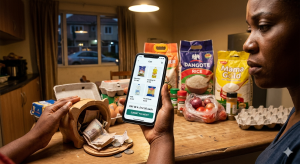
- Psychological Overspending: As explored in discussions on “the pain of paying,” digital money feels less “real” than physical cash. This “frictionless paradox” can lead consumers to lose track of their spending, potentially falling into cycles of debt.
📊 Summary of the Cashless Shift
| Feature | Cashless Benefit | Potential Risk |
| Convenience | Instant payments and auto-tracking. | Vulnerability to technical outages. |
| Security | Reduced risk of physical theft. | Increased risk of identity theft and hacking. |
| Accountability | Transparent records for tax and audit. | Complete loss of transactional privacy. |
| Accessibility | Mobile banking for remote areas. | Exclusion of those without smartphones or data. |