Buy Now, Pay Later: Ultimate Convenience or a Modern Debt Trap?
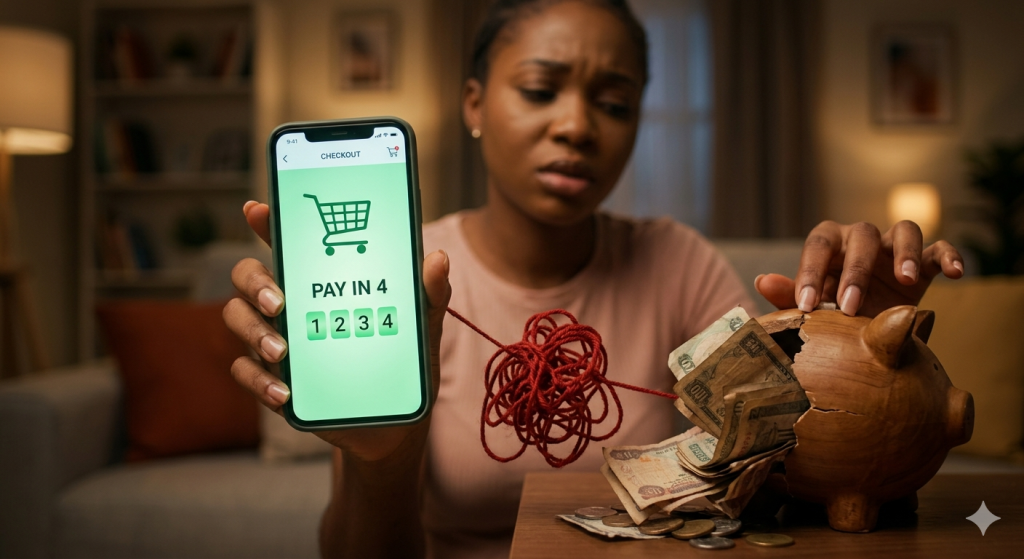
The retail landscape has undergone a seismic shift. Walk into any store or browse an online shop, and you’ll likely see a familiar invitation: “Get it today for 4 easy payments of $25.”
Buy Now, Pay Later (BNPL) services like Klarna, Afterpay, and Affirm have revolutionized how we consume. By 2026, these services have moved beyond “alternative” payments to become the primary way millions of people manage their daily spending. But as the friction of spending disappears, a critical question remains: Is this a tool for financial empowerment, or a sophisticated trap designed to keep us in cycles of debt?
The Allure: Why BNPL is Winning
For many, BNPL is a breath of fresh air compared to the rigid and often predatory nature of traditional credit cards.
1. Financial Inclusion and Accessibility
Traditional credit cards require a solid credit history, which often leaves younger consumers or those new to the country in the dark. BNPL services usually perform “soft” credit checks that don’t impact your score, making them accessible to almost anyone with a bank account. It provides a bridge for those who have the income to pay but lack the “paperwork” of a high credit score. Learn more
2. The Interest-Free Appeal
The primary “hook” is the lack of interest. If you buy a $200 jacket and pay $50 every two weeks, you pay exactly $200. Compared to a credit card with a 24% APR where that same jacket could end up costing significantly more if not paid off immediately, BNPL looks like the smarter, more disciplined choice.
3. Smoother Cash Flow
BNPL acts as a modern budgeting tool. It allows consumers to “smooth” their expenses. Instead of a single $400 hit to your bank account for a new laptop, you can spread that cost over two months. This keeps your bank balance stable and prevents you from dipping into emergency savings for essential purchases.
The Hidden Danger: The “Frictionless” Paradox
While the benefits are clear, the risks are often invisible until it’s too late. The very thing that makes BNPL great, its ease of use is also its most dangerous feature.
1. Anaesthetizing the “Pain of Paying”
Psychologically, there is a “pain of paying.” When you hand over a $100 bill, your brain registers a loss. BNPL effectively numbs this pain. By breaking a large price tag into small, digestible bites, the purchase feels less significant. This “frictionless” experience leads many to buy things they don’t need simply because the immediate cost feels negligible.
2. The Illusion of Wealth
BNPL creates what economists call an “illusion of liquidity.” When you see that you only have to pay $20 today for an $80 pair of shoes, you feel like you have $60 more in your pocket than you actually do. This often leads to “stacking” having five or six different BNPL plans running simultaneously. While each payment is small, the cumulative total can quickly exceed your monthly income.
3. The Lack of Oversight
Because many BNPL providers don’t report to major credit bureaus, this debt is often “invisible.” You could be drowning in installment payments, yet on paper, your credit report looks clean. This makes it easy to over-leverage yourself without the safety net of traditional debt monitoring.
The Verdict: Tool or Trap?
Is BNPL a debt trap? Not necessarily. Is it a risk? Absolutely.
Whether BNPL is a convenience or a trap depends entirely on the user’s financial literacy. It is a financial tool, and like a hammer, it can either help you build a house or smash your thumb.
How to Use BNPL Without Falling Into the Trap:
- The “One-at-a-Time” Rule: Never have more than one active BNPL plan at a time. This prevents “invisible debt” from stacking up.
- Essential Only: Reserve BNPL for necessary purchases (like a bed or a work computer) rather than impulsive fashion or lifestyle buys.
- Check Your Calendar: Always align your payment dates with your payday. If the automated withdrawal hits two days before your salary arrives, you’ll be hit with overdraft fees that negate any “interest-free” benefits.
Read: The Role of Mindfulness and Meditation in Modern Wellbeing
Final Thought
As we move further into a cashless, “pay-later” society, the responsibility of financial health is shifting from the bank to the individual. BNPL offers a level of convenience our parents never had, but it requires a level of discipline they never had to exercise. Use it wisely, or the “easy payments” of today will become the financial nightmares of tomorrow.