The Role of Mindfulness and Meditation in Modern Wellbeing
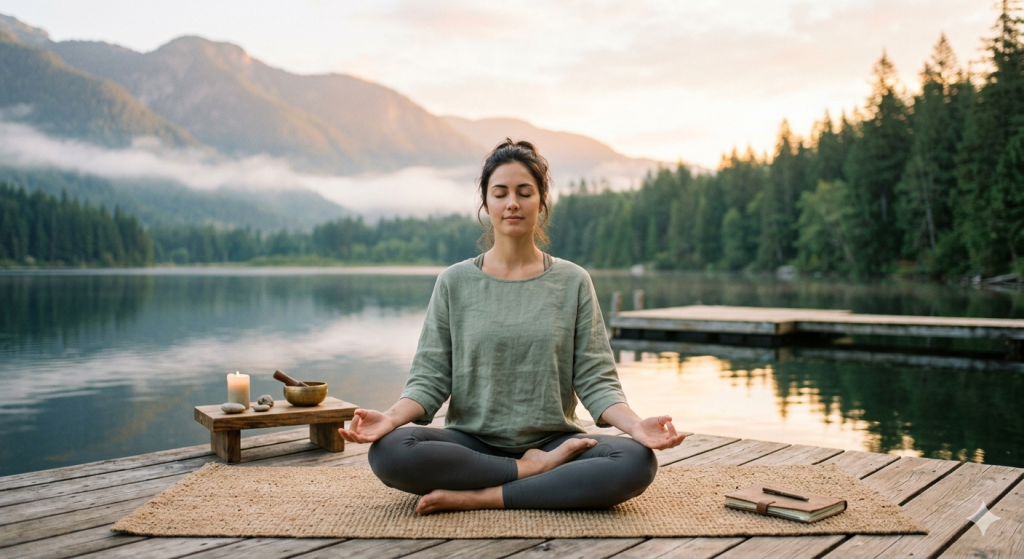
In today’s fast-moving world, many people struggle with stress, anxiety, burnout, and emotional exhaustion. The constant pressure from work, social media, financial responsibilities, and daily life challenges has made mental and emotional wellbeing more important than ever. As a result, mindfulness and meditation have become popular wellness practices that help people improve their quality of life naturally and effectively.
Mindfulness is the practice of being fully present and aware of the current moment without judgment. It encourages individuals to focus on their thoughts, feelings, and surroundings calmly instead of becoming overwhelmed by stress or distractions. Meditation, on the other hand, is a mental exercise that trains attention and awareness through breathing techniques, concentration, or guided relaxation. Together, mindfulness and meditation play a major role in supporting modern wellbeing.
Understanding Mindfulness in Daily Life
Mindfulness is not limited to sitting quietly or practicing yoga. It can be applied to everyday activities such as eating, walking, working, or even having conversations. Practicing mindfulness helps people slow down and pay attention to what is happening around them. This awareness can reduce emotional reactions and improve decision-making.
For example, mindful eating encourages people to focus on their meals, recognize hunger signals, and appreciate food without distractions like phones or television. Similarly, mindful communication helps individuals listen carefully and respond thoughtfully during conversations, improving relationships and emotional connection.
In modern society where multitasking is common, mindfulness teaches people to focus on one task at a time. This can increase productivity, reduce mistakes, and lower mental fatigue. Learn more
The Growing Popularity of Meditation
Meditation has existed for thousands of years, but it has gained significant popularity in recent years due to increased awareness of mental health and wellbeing. Many people now use meditation apps, online videos, and wellness programs to practice relaxation and stress management.
There are different forms of meditation, including:
- Guided meditation
- Mindfulness meditation
- Breathing meditation
- Loving-kindness meditation
- Body scan meditation
- Transcendental meditation
Each method offers unique benefits, but they all aim to calm the mind and improve emotional balance.
Meditation does not require expensive equipment or special locations. Even spending five to ten minutes daily focusing on breathing and relaxation can make a positive difference in mental wellbeing.
Benefits of Mindfulness and Meditation
Reducing Stress and Anxiety
One of the most recognized benefits of mindfulness and meditation is stress reduction. Modern life often exposes people to constant pressure, deadlines, and information overload. Meditation helps calm the nervous system and lowers stress hormones in the body.
Mindfulness also helps individuals manage anxious thoughts by encouraging them to focus on the present moment instead of worrying excessively about the future. This can create a sense of calmness and emotional stability.
Improving Mental Health
Mindfulness and meditation are increasingly used to support mental health. Studies show that regular meditation may help reduce symptoms of anxiety, depression, and emotional distress. These practices encourage self-awareness and emotional regulation, helping individuals respond to challenges more positively.
Meditation can also improve self-esteem and emotional resilience. People who practice mindfulness regularly often report feeling more balanced, patient, and emotionally connected.
Enhancing Sleep Quality
Poor sleep has become a common problem in modern society due to stress, excessive screen time, and busy schedules. Meditation helps relax the mind and body, making it easier to fall asleep and stay asleep.
Mindfulness techniques before bedtime can reduce racing thoughts and mental tension, improving sleep quality naturally. Better sleep contributes to improved mood, energy levels, and overall wellbeing.
Supporting Physical Health
Mindfulness and meditation can positively affect physical health as well. Reduced stress levels may help lower blood pressure, improve heart health, and strengthen the immune system. Meditation also encourages deep breathing and relaxation, which can support healthy body function.
In addition, mindful habits often lead to healthier lifestyle choices such as balanced eating, regular exercise, and reduced harmful behaviors like smoking or emotional overeating.
Boosting Focus and Productivity
Modern distractions can make concentration difficult. Mindfulness trains the brain to stay focused and attentive. Many workplaces and schools now encourage mindfulness programs to improve concentration, creativity, and productivity.
Meditation can sharpen mental clarity and reduce mental exhaustion. Individuals who practice regularly may find it easier to manage tasks, solve problems, and stay motivated throughout the day.
Mindfulness in the Workplace
Work-related stress is a major challenge in modern wellbeing. Long working hours, tight deadlines, and digital overload can affect both physical and mental health. Many organizations are now introducing mindfulness programs to support employee wellbeing.
Mindfulness at work can include short meditation sessions, breathing exercises, stress management workshops, and mental wellness breaks. These practices may help employees feel calmer, more focused, and less overwhelmed.
Companies that promote employee wellbeing often experience improved teamwork, better communication, and increased productivity.
The Role of Technology in Mindfulness
Technology has played a major role in spreading mindfulness and meditation practices worldwide. Mobile apps, online courses, podcasts, and virtual wellness programs have made meditation accessible to millions of people.
Popular meditation apps provide guided sessions, breathing exercises, sleep support, and relaxation music for users of all ages. While technology can sometimes contribute to stress, it can also become a useful tool for promoting mental wellbeing when used positively.
However, experts also encourage balancing digital wellness with offline relaxation and real-life social interaction.
Simple Ways to Practice Mindfulness and Meditation
People can easily include mindfulness and meditation in their daily routine through simple habits such as:
- Taking deep breaths during stressful moments
- Spending a few minutes meditating each morning
- Practicing gratitude daily
- Avoiding distractions during meals
- Taking mindful walks outdoors
- Limiting excessive social media use
- Focusing on one task at a time
- Listening carefully during conversations
Consistency is more important than perfection. Small daily mindfulness habits can create long-term improvements in emotional and physical wellbeing.
Challenges of Maintaining Mindfulness
Although mindfulness and meditation offer many benefits, some people find it difficult to stay consistent. Busy schedules, lack of patience, and unrealistic expectations can discourage beginners.
Some individuals expect immediate results and become frustrated when they still experience stress or distractions. However, mindfulness is a gradual process that requires regular practice. Even experienced meditators continue learning how to manage their thoughts and emotions.
Creating a simple routine and starting with short sessions can make mindfulness easier to maintain over time.
Read: Perimenopause Symptoms Nobody Warns You About
Conclusion
Mindfulness and meditation have become valuable tools for improving modern wellbeing. In a world filled with stress, distractions, and emotional pressure, these practices help individuals develop calmness, self-awareness, and mental balance. From reducing anxiety and improving sleep to boosting productivity and emotional health, mindfulness and meditation offer benefits that support both the mind and body.
As awareness of mental wellness continues to grow, more people are embracing mindfulness as part of a healthy lifestyle. By practicing mindfulness and meditation regularly, individuals can build healthier habits, manage stress more effectively, and improve their overall quality of life in today’s demanding world.