What Your Hair Loss Is Really Trying to Tell You
Health & Nutrition | 7 min read
Losing a hundred strands of hair a day is completely normal. What isn’t normal is when that number climbs noticeably higher when your hairbrush fills faster than it used to, your parting looks wider, or your ponytail feels thinner in your hand. For millions of people, this is a daily reality, and the most common response is to try a new shampoo, blame genetics, or simply accept it as aging.
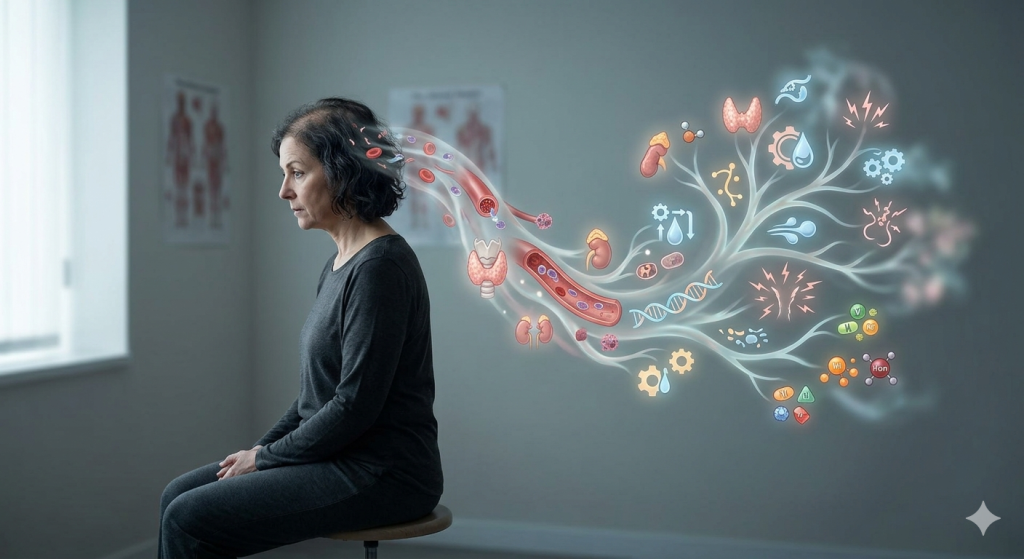
But hair loss is rarely random. In most cases, it is your body sending a signal a visible, external sign that something internal needs attention. Learning to read that signal correctly can be genuinely life-changing.
Hair Is a Luxury, Not a Priority
To understand why hair loss often reflects nutritional or health problems, you need to understand how the body prioritises resources. Hair is not essential to survival. When the body is under stress physical, emotional, or nutritional, it redirects energy and nutrients away from non-essential functions first. Hair follicles, which are among the most metabolically active cells in the body, are among the first to be deprioritised. Learn more
This is why hair loss is such a reliable early warning system. It often appears before other symptoms become obvious, making it one of the body’s more useful distress signals, if you know how to interpret it.
Iron Deficiency: The Most Common Culprit
If your hair is shedding excessively, iron deficiency is the first thing to investigate. It is the most widespread nutritional deficiency in the world, and hair loss is one of its most consistent symptoms. The connection lies in ferritin, the protein that stores iron in the body. Even when your iron levels appear technically normal on a basic blood test, low ferritin can starve hair follicles of the oxygen they need to complete their growth cycle.
Women are particularly vulnerable, especially those with heavy periods, recent pregnancies, or low red meat intake. The frustrating reality is that many women are told their iron is “fine” based on incomplete testing. Always ask specifically for your ferritin level, a result below 70 ng/mL is considered suboptimal for healthy hair growth by many specialists, even if it falls within the standard laboratory reference range.
Thyroid Dysfunction: The Great Imitator
Both an underactive thyroid (hypothyroidism) and an overactive thyroid (hyperthyroidism) can cause significant hair loss, and thyroid disorders are frequently underdiagnosed particularly in women. The thyroid regulates virtually every metabolic process in the body, and hair follicle activity is directly influenced by thyroid hormones.
Hair loss from thyroid dysfunction tends to be diffuse thinning evenly across the scalp rather than in patches and is often accompanied by other symptoms: unexplained weight changes, fatigue, brain fog, sensitivity to cold or heat, and changes in skin texture. If your hair loss comes with any of these companions, thyroid testing should be a priority. Ask for a full panel including TSH, free T3, and free T4 not just TSH alone.
Zinc, Biotin, and the Nutrients Most People Overlook
Iron and thyroid function get most of the attention, but several other nutritional deficiencies quietly drive hair loss in large numbers of people.
Zinc plays a central role in hair tissue growth and repair. It keeps the oil glands around follicles functioning properly, and a deficiency can cause hair to shed and grow back more slowly. Zinc is found in oysters, red meat, pumpkin seeds, and legumes and is commonly low in people following plant-based diets or those with digestive absorption issues.
Biotin, part of the B vitamin family, has become almost synonymous with hair health in the supplement market sometimes overhyped, but not without basis. Biotin deficiency genuinely does cause hair thinning and loss, though true deficiency is less common than supplement marketing suggests. More relevant for many people are broader B vitamin shortfalls, particularly B12 and folate, which support the rapid cell division required for hair growth.
Vitamin D is another underappreciated factor. Research has found a consistent link between low Vitamin D levels and alopecia areata, an autoimmune condition that causes patchy hair loss as well as general diffuse thinning. Given that over a billion people are Vitamin D deficient globally, this connection deserves more attention than it typically receives.
Stress, Cortisol, and Telogen Effluvium
One of the most common and most overlooked causes of sudden hair loss is a condition called telogen effluvium. This occurs when a significant physical or emotional stressor pushes a large number of hair follicles simultaneously into the resting phase of their growth cycle. Two to four months later, those follicles shed at once, resulting in dramatic, alarming hair loss that seems to come from nowhere.
Common triggers include surgery, childbirth, a serious illness, rapid weight loss, a traumatic life event, or a prolonged period of intense stress. The maddening aspect of telogen effluvium is the delay by the time the hair falls out, people have often forgotten the stressor that caused it, making the connection difficult to make.
The good news is that telogen effluvium is almost always temporary. Once the underlying trigger is resolved and nutritional stores are replenished, regrowth typically follows within six to twelve months.
When to See a Doctor
Not all hair loss is nutritional or stress-related. Alopecia areata, androgenetic alopecia (pattern baldness), scalp conditions like seborrhoeic dermatitis, and certain medications can all cause or accelerate hair loss and require professional assessment.
The key is not to self-diagnose and supplement blindly. A comprehensive blood panel covering ferritin, full blood count, thyroid function, Vitamin D, zinc, and B12 gives you an accurate picture of what is actually happening, rather than what you suspect. Treating a deficiency you don’t have is at best wasteful and at worst counterproductive.
Read: The Rise of Vitamin Deficiencies Despite Modern Diets
What You Can Do Starting Today
Get tested before you supplement. Once you have your results, address any confirmed deficiencies with targeted nutrition and, where appropriate, supplementation. Prioritise iron-rich foods like red meat, lentils, and dark leafy greens alongside Vitamin C to enhance absorption. Include zinc-rich foods such as pumpkin seeds, eggs, and shellfish. Eat enough protein hair is made almost entirely of keratin, a protein, and chronically low protein intake is an underappreciated driver of thinning.
Manage stress with genuine seriousness, not as an afterthought. Sleep, movement, and nervous system regulation are not luxuries they are nutritional interventions in their own right.
Your hair is not just an aesthetic concern. It is one of the most accessible windows into your internal health. When it changes, pay attention. Your body is almost certainly trying to tell you something worth hearing.