Falls and Head Injuries in Older Adults: Prevention and Recovery
For older adults, a single fall can be a life-altering event. Beyond the immediate physical pain, the fear of falling often leads to reduced activity, which ironically increases the risk of future accidents. When a fall involves a head injury, the stakes become even higher.
1. Why the Risk Increases with Age
As we age, several factors converge to make falls more likely and more dangerous:
- Balance and Gait: Changes in vision, inner ear health, and muscle strength affect stability.
- Medication Side Effects: Many seniors take multiple prescriptions that can cause dizziness or drops in blood pressure.
- Home Environment: Loose rugs, poor lighting, and lack of grab bars become significant hazards.
2. Prevention: The “Safety-First” Strategy
Prevention isn’t just about being careful; it’s about modifying the environment and the body.
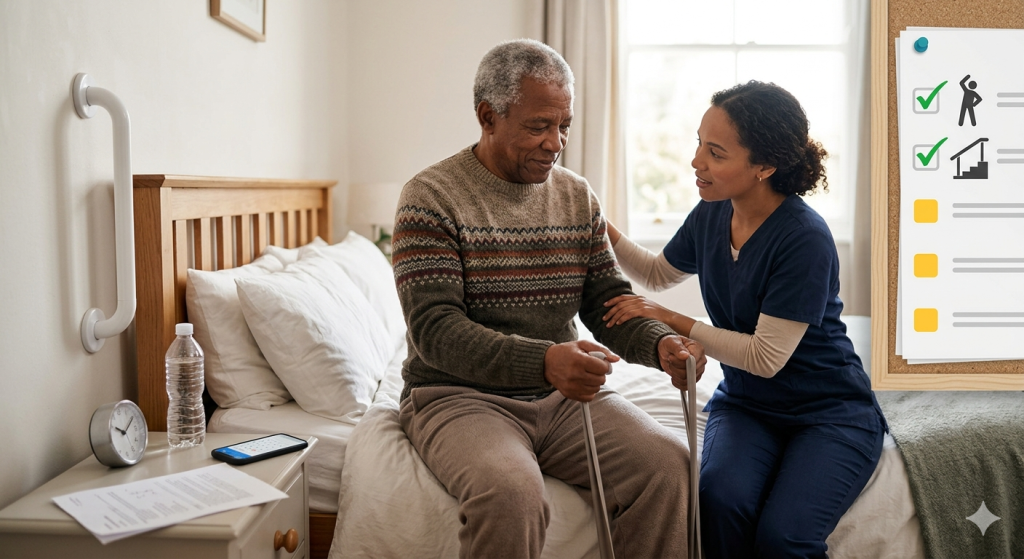
- Home Safety Audit: Remove “trip hazards” like clutter and throw rugs. Ensure every staircase has two sturdy handrails.
- Strength and Balance Training: Programs like Tai Chi or specific physical therapy exercises focus on “proprioception” the body’s ability to sense its location in space.
- Regular Vision and Hearing Checks: Even small changes in depth perception can lead to a missed step.
- Bone Health: Discuss Vitamin D and Calcium intake with a doctor to ensure that if a fall does occur, the bones are less likely to fracture. Learn more
3. Head Injuries: The “Hidden” Danger
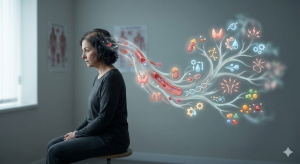
When an older adult falls, a head injury (like a concussion or a hematoma) isn’t always obvious. Because the brain shrinks slightly with age, there is more room for “shearing” or bleeding to occur without immediate symptoms.
Watch for these “Red Flags” after a fall:
- Increased confusion or irritability.
- Persistent headaches or nausea.
- Changes in sleep patterns or sudden lethargy.
- Loss of coordination or slurred speech.
Note: If the person is on blood thinners, any head strike no matter how minor it looks requires an immediate trip to the Emergency Room.
4. The Path to Recovery
Recovery in 2026 is becoming more personalized thanks to better diagnostic tools and “pre-hab” techniques.
- Physical Therapy (PT): This is the gold standard for regaining mobility and confidence. PTs help rebuild the “muscle memory” needed for safe walking.
- Cognitive Rest and Gradual Return: Following a head injury, the brain needs rest. This means limiting screen time and high-stress activities before gradually re-introducing mental tasks.
- Occupational Therapy (OT): OTs help seniors find new, safer ways to perform daily tasks like bathing, dressing, and cooking.
- Emotional Support: Depression is common after a fall due to a loss of independence. Counseling or support groups can be vital for the “mental” recovery.
Read: Parkinson’s Disease in Elderly Patients: Symptoms and Treatment Options
In conclusion, the intersection of physical health and environmental safety is critical for maintaining independence in later life. By prioritizing proactive measures such as home modifications, regular vision checks, and strength training, families can significantly reduce the risk of debilitating falls.
Furthermore, understanding that head injuries in older adults may present subtly ensures that life-saving medical intervention is sought promptly. Ultimately, a combination of vigilant prevention and structured rehabilitation, including physical and occupational therapy, provides the most effective pathway for recovery and long-term wellness in 2026.