Preventive Healthcare vs Emergency Treatment: Which Saves More Money?
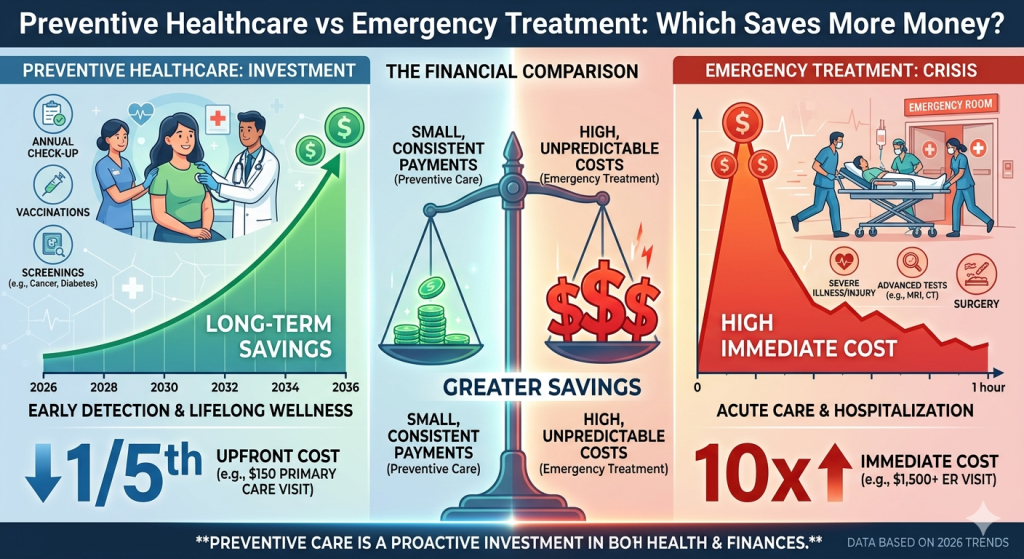
Healthcare expenses continue to rise across the world, making many families more concerned about how to manage medical costs effectively. One of the biggest debates in modern healthcare is whether spending money on preventive healthcare truly saves more than waiting for emergency treatment when health problems become serious. While emergency care is necessary in life-threatening situations, experts agree that preventive healthcare is often far less expensive and more beneficial in the long run.
Preventive healthcare focuses on stopping illnesses before they develop or become severe. This includes regular medical checkups, vaccinations, screenings, healthy lifestyle habits, dental care, and early disease detection. The goal is to identify potential health problems early and reduce the risk of serious complications later. Emergency treatment, on the other hand, involves urgent medical care for sudden illnesses, injuries, or severe health conditions that require immediate attention.
One major financial advantage of preventive healthcare is early detection. Diseases such as diabetes, high blood pressure, cancer, and heart disease can often be managed more effectively when discovered early. Treating a condition during its early stages is usually less expensive than handling advanced complications that may require hospitalization, surgery, or long-term medication. For example, regular blood pressure monitoring may prevent a costly stroke or heart attack in the future.
Preventive healthcare also reduces hospital admissions and emergency room visits. Many emergency treatments are extremely expensive because they involve urgent diagnostic tests, specialist consultations, surgeries, and intensive care services. A simple untreated infection can sometimes develop into a severe condition requiring hospitalization. Routine medical visits and timely treatment can prevent many of these situations from becoming emergencies. Learn more
Vaccinations are another example of cost-effective preventive healthcare. Immunizations help protect individuals and communities from dangerous diseases that could otherwise result in expensive treatments, hospital stays, or long-term complications. Vaccines not only save lives but also reduce healthcare spending for both families and healthcare systems. Public health experts consistently emphasize that prevention through vaccination is one of the most affordable healthcare strategies available.
Lifestyle-related diseases are becoming increasingly common due to poor diets, physical inactivity, smoking, stress, and lack of sleep. Preventive healthcare encourages healthier habits that reduce the risk of chronic diseases. Regular exercise, balanced nutrition, adequate sleep, and routine health screenings can significantly lower future medical costs. Investing in healthy habits today often prevents expensive treatments tomorrow.
Mental health is also an important part of preventive healthcare. Stress, anxiety, and depression can negatively affect physical health and productivity if left untreated. Preventive mental healthcare, including counseling, stress management, and emotional support, may reduce the risk of severe mental health crises that require emergency intervention or hospitalization. Early support often improves overall well-being while reducing long-term healthcare expenses.
Children also benefit greatly from preventive healthcare. Routine pediatric visits, vaccinations, dental checkups, and nutritional monitoring help identify developmental or health issues early. Preventive care during childhood can reduce future medical complications and promote healthier growth. Parents who invest in preventive healthcare for their children often avoid larger medical expenses later in life.
However, emergency treatment remains essential and cannot always be avoided. Accidents, sudden illnesses, and unexpected medical emergencies can happen even to healthy individuals. Emergency departments provide life-saving care during critical situations such as heart attacks, severe injuries, breathing difficulties, or strokes. While emergency care is expensive, it plays a vital role in healthcare systems worldwide.
One challenge is that many people delay preventive healthcare because of financial concerns, lack of insurance, busy schedules, or limited healthcare access. Unfortunately, postponing routine care can allow small health issues to become major medical problems. In many cases, individuals end up paying much more for emergency treatment than they would have spent on preventive care.
Health insurance companies and governments are increasingly promoting preventive healthcare because it lowers long-term healthcare costs. Many insurance plans now cover annual checkups, screenings, vaccinations, and wellness programs at little or no additional cost. Employers are also encouraging wellness initiatives to reduce employee healthcare expenses and improve productivity.
Technology is helping make preventive healthcare more accessible. Mobile health apps, wearable fitness devices, telemedicine services, and online health monitoring tools allow people to track their health more conveniently. These innovations encourage early detection, healthier habits, and quicker medical consultations before conditions worsen.
From a financial perspective, preventive healthcare is generally far more affordable than emergency treatment. Routine care costs are usually predictable and manageable, while emergency medical expenses can be sudden and overwhelming. Preventive care also helps reduce indirect costs such as lost income, long recovery periods, and reduced quality of life caused by serious illnesses.
Read: Health Insurance Trends in 2026: What Families Need to Know
In conclusion, preventive healthcare and emergency treatment both play important roles in maintaining health, but preventive care usually saves more money over time. Regular checkups, healthy lifestyle choices, vaccinations, and early medical attention help reduce the risk of expensive emergencies and serious diseases. By investing in prevention today, individuals and families can protect both their health and financial stability in the future.