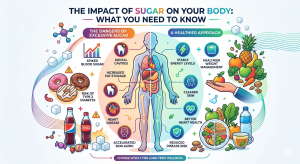
How Carbohydrates Affect Your Body: Good vs Bad Carbs Explained
Carbohydrates often get a bad reputation in weight loss and health discussions, but the truth is more nuanced. Carbs are your body’s primary source of energy, fueling everything from brain function to physical activity. The key isn’t to eliminate carbohydrates, it’s to understand the difference between good and bad carbs and how they affect your body.
What Are Carbohydrates?
Carbohydrates are one of the three main macronutrients, alongside protein and fat. When you eat carbs, your body breaks them down into glucose (sugar), which is used for energy or stored for later use. They are found in a wide range of foods, including grains, fruits, vegetables, dairy products, and processed snacks. Learn more
How Carbs Affect Your Body
Once consumed, carbohydrates are converted into glucose and released into the bloodstream. This causes your blood sugar levels to rise, prompting the release of insulin, a hormone that helps your cells absorb glucose for energy.
When you eat the right kinds of carbs, this process is steady and balanced. But when you consume poor-quality carbs, it can lead to rapid spikes and crashes in blood sugar levels, leaving you feeling tired, hungry, and craving more sugar.
Good Carbs vs Bad Carbs
Not all carbohydrates are created equal. Understanding the difference is essential for making healthier choices.
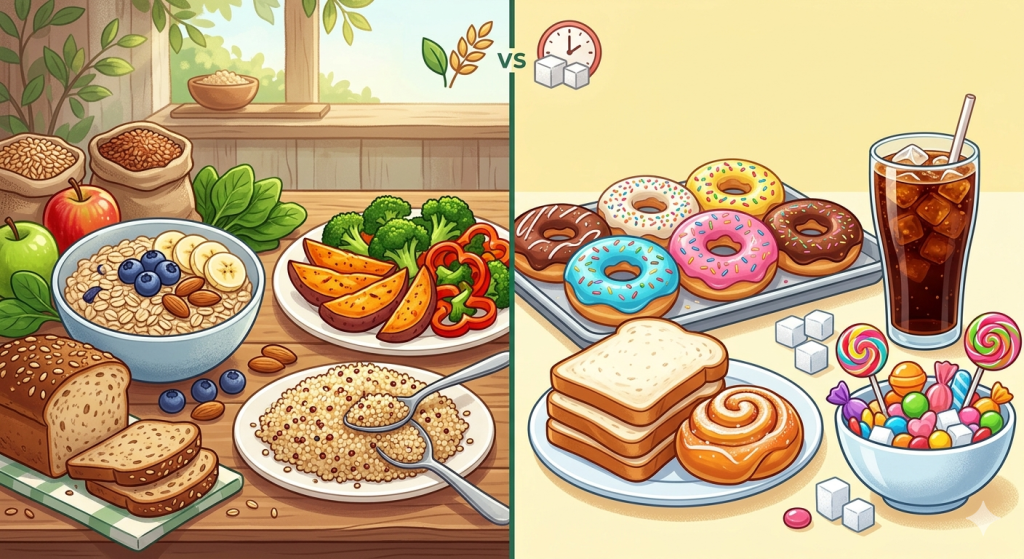
Good Carbs (Complex Carbohydrates)
Good carbs are typically high in fiber and nutrients. They are digested slowly, providing a steady release of energy.
Examples include:
- Whole grains (brown rice, oats, quinoa)
- Fruits (apples, berries, oranges)
- Vegetables (broccoli, carrots, spinach)
- Legumes (beans, lentils)
Benefits of good carbs:
- Help maintain stable blood sugar levels
- Keep you full for longer
- Support digestion and gut health
- Provide essential vitamins and minerals
Bad Carbs (Simple or Refined Carbohydrates)
Bad carbs are usually processed and stripped of fiber and nutrients. They are digested quickly, causing rapid spikes in blood sugar.
Examples include:
- Sugary drinks (soda, energy drinks)
- White bread and pastries
- Candy and sweets
- Processed snacks (chips, cookies)
Effects of bad carbs:
- Cause energy crashes
- Increase hunger and cravings
- Contribute to weight gain
- Raise the risk of chronic diseases over time
The Role of Fiber in Carbohydrates
Fiber is a crucial component of healthy carbs. It slows down digestion and helps regulate blood sugar levels. High-fiber diets are linked to better heart health, improved digestion, and effective weight management. Choosing fiber-rich foods is one of the easiest ways to improve your carbohydrate intake.
How to Choose the Right Carbs
Making smarter carbohydrate choices doesn’t have to be complicated. Here are some practical tips:
- Choose whole grains over refined grains
- Eat more fruits and vegetables daily
- Limit sugary drinks and processed foods
- Read food labels to check for added sugars
- Pair carbs with protein or healthy fats for better balance
Should You Cut Carbs Completely?
Eliminating carbohydrates entirely is not necessary for most people. In fact, very low-carb diets can be difficult to maintain and may lead to nutrient deficiencies if not properly managed. Instead of cutting carbs, focus on quality and portion control.
Read: Nutrition for Weight Loss: Science-Based Tips That Actually Work
Conclusion
Carbohydrates are an essential part of a healthy diet, but the type you choose makes all the difference. Good carbs provide steady energy, support overall health, and help manage weight, while bad carbs can lead to energy crashes and long-term health issues.
By choosing whole, fiber-rich foods and limiting processed options, you can enjoy the benefits of carbohydrates without the downsides. The goal isn’t to avoid carbs, it’s to choose them wisely for a healthier, more balanced lifestyle.