Understanding Anxiety: Common Triggers and Coping Strategies
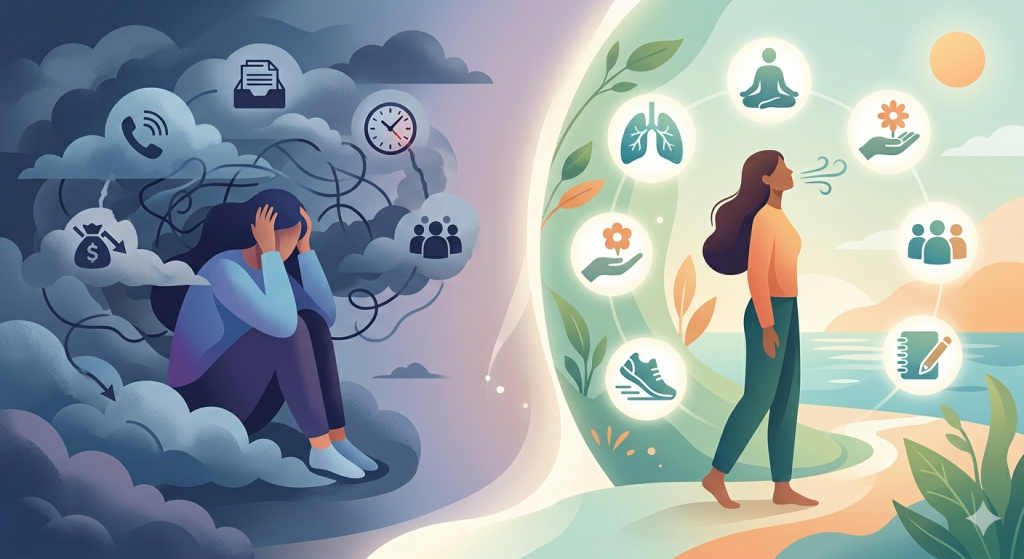
Anxiety is more than just feeling stressed or worried; it is a complex physiological and emotional response that can impact every facet of daily life. While everyone experiences occasional anxiety, understanding the mechanics of these feelings, and how to manage them is the first step toward reclaiming your peace of mind.
What is Anxiety?
At its core, anxiety is your body’s natural response to perceived danger. It triggers the “fight-or-flight” system, releasing hormones like adrenaline and cortisol to prepare you for action. While this was helpful for our ancestors facing physical threats, in the modern world, this system often activates in response to non-physical stressors like deadlines, social interactions, or financial concerns. Learn more
Common Triggers of Anxiety
Identifying what sets off your anxiety is crucial for long-term management. While triggers are highly personal, some of the most common include:
- Environmental Stress: High-pressure work environments, academic demands, or major life changes.
- Health Concerns: Chronic illness or generalized health anxiety regarding oneself or loved ones.
- Social Interactions: Large gatherings, public speaking, or fear of judgment in social settings.
- Financial Pressory: Budgeting, debt, or unexpected expenses.
- Digital Overload: Constant notifications and the “comparison culture” found on social media platforms.
Immediate Coping Strategies: The “Grounding” Toolbox
When you feel an anxiety spike, these techniques can help lower your heart rate and bring your focus back to the present moment:
- The 5-4-3-2-1 Technique: Identify 5 things you see, 4 things you can touch, 3 things you hear, 2 things you can smell, and 1 thing you can taste. This forces your brain to switch from internal “worry loops” to external sensory input.
- Box Breathing: Inhale for 4 seconds, hold for 4, exhale for 4, and hold for 4. This regulated breathing signals your nervous system to exit the “fight-or-flight” state.
- Progressive Muscle Relaxation: Tense and then slowly release each muscle group, starting from your toes and moving up to your jaw.
Long-Term Management
For lasting relief, it is important to build a lifestyle that supports emotional resilience:
- Regular Physical Activity: Exercise helps metabolize stress hormones and promotes the release of endorphins.
- Sleep Hygiene: A lack of sleep can make the brain’s “fear center” (the amygdala) more reactive, making it harder to manage emotions.
- Mindfulness and Meditation: Daily practice helps train the brain to observe thoughts without becoming overwhelmed by them.
- Limit Stimulants: Reducing caffeine and nicotine intake can prevent the physical jitters that often mimic or exacerbate anxiety symptoms.
Understanding Anxiety: Common Triggers and Coping Strategies
Anxiety is more than just feeling stressed or worried; it is a complex physiological and emotional response that can impact every facet of daily life. While everyone experiences occasional anxiety, understanding the mechanics of these feelings and how to manage them is the first step toward reclaiming your peace of mind.
What is Anxiety?
At its core, anxiety is your body’s natural response to perceived danger. It triggers the “fight-or-flight” system, releasing hormones like adrenaline and cortisol to prepare you for action. While this was helpful for our ancestors facing physical threats, in the modern world, this system often activates in response to non-physical stressors like deadlines, social interactions, or financial concerns.
Common Triggers of Anxiety
Identifying what sets off your anxiety is crucial for long-term management. While triggers are highly personal, some of the most common include:
- Environmental Stress: High-pressure work environments, academic demands, or major life changes.
- Health Concerns: Chronic illness or generalized health anxiety regarding oneself or loved ones.
- Social Interactions: Large gatherings, public speaking, or fear of judgment in social settings.
- Financial Pressory: Budgeting, debt, or unexpected expenses.
- Digital Overload: Constant notifications and the “comparison culture” found on social media platforms.
Immediate Coping Strategies: The “Grounding” Toolbox
When you feel an anxiety spike, these techniques can help lower your heart rate and bring your focus back to the present moment:
- The 5-4-3-2-1 Technique: Identify 5 things you see, 4 things you can touch, 3 things you hear, 2 things you can smell, and 1 thing you can taste. This forces your brain to switch from internal “worry loops” to external sensory input.
- Box Breathing: Inhale for 4 seconds, hold for 4, exhale for 4, and hold for 4. This regulated breathing signals your nervous system to exit the “fight-or-flight” state.
- Progressive Muscle Relaxation: Tense and then slowly release each muscle group, starting from your toes and moving up to your jaw.
Long-Term Management
For lasting relief, it is important to build a lifestyle that supports emotional resilience:
- Regular Physical Activity: Exercise helps metabolize stress hormones and promotes the release of endorphins.
- Sleep Hygiene: A lack of sleep can make the brain’s “fear center” (the amygdala) more reactive, making it harder to manage emotions.
- Mindfulness and Meditation: Daily practice helps train the brain to observe thoughts without becoming overwhelmed by them.
- Limit Stimulants: Reducing caffeine and nicotine intake can prevent the physical jitters that often mimic or exacerbate anxiety symptoms.
Read: The Impact of Sugar on Your Body: What You Need to Know
When to Seek Professional Help
If anxiety begins to interfere with your ability to work, maintain relationships, or enjoy daily activities, it may be time to consult a professional. Therapy, such as Cognitive Behavioral Therapy (CBT), is highly effective at helping individuals reframe negative thought patterns and develop personalized coping mechanisms.
Final Thought: Anxiety is a signal, not a life sentence. By recognizing your triggers and building a robust toolkit of strategies, you can navigate life’s challenges with greater confidence and calm.