Debt Management: How to Pay Off Loans Quickly and Easily
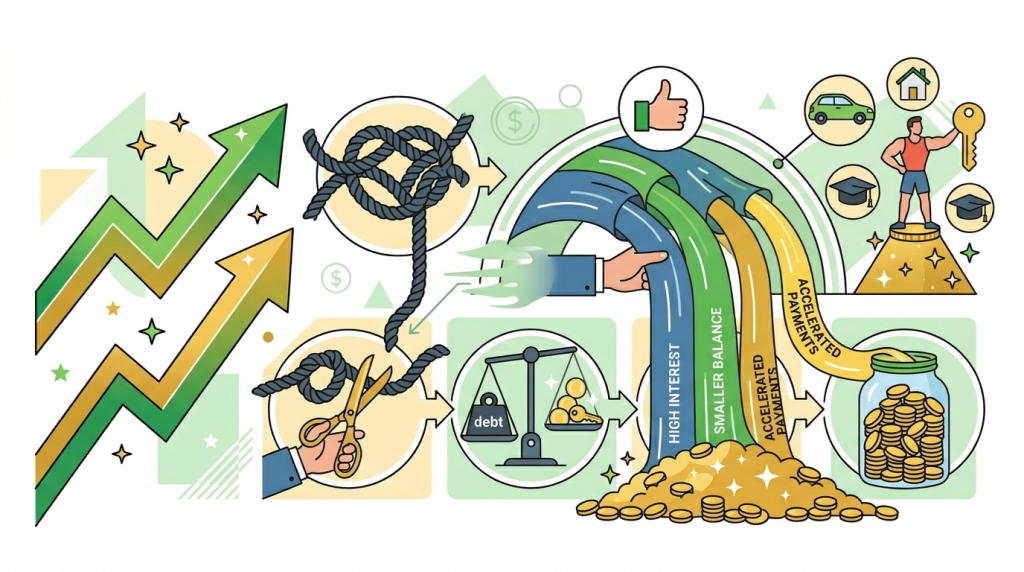
Debt can feel overwhelming, especially when multiple loans, credit cards, and bills start piling up. However, with the right debt management strategy, you can pay off loans faster, reduce stress, and regain full control of your finances. Learning how to pay off loans quickly and easily is not about earning more alone, it is about managing money smarter.
In this guide, you will learn practical, proven methods to eliminate debt efficiently and build long-term financial freedom.
What Is Debt Management?
Debt management refers to the strategies and techniques used to organize, reduce, and eliminate debt in a structured way.
It involves:
- Tracking all debts
- Creating repayment plans
- Reducing interest costs
- Avoiding new unnecessary debt
Good debt management helps you regain financial stability and improve your overall financial health.
Why Debt Management Is Important
Proper debt management offers several benefits:
1. Reduces Financial Stress
Debt can cause anxiety and emotional pressure. A clear repayment plan helps you feel in control.
2. Saves Money on Interest
The faster you pay off loans, the less interest you pay over time.
3. Improves Credit Score
Timely repayments improve your credit history and financial credibility.
4. Builds Financial Freedom
Eliminating debt allows you to save, invest, and grow wealth. Learn more
Step-by-Step Guide on How to Pay Off Loans Quickly and Easily
1. List All Your Debts
Start by writing down everything you owe:
- Loan amounts
- Interest rates
- Monthly payments
- Due dates
This gives you a clear picture of your financial situation.
2. Choose a Debt Repayment Strategy
There are two popular methods:
A. Debt Snowball Method
You pay off the smallest debts first while making minimum payments on larger ones.
Benefits:
- Quick psychological wins
- Motivation boost
- Easier to stay consistent
B. Debt Avalanche Method
You focus on debts with the highest interest rates first.
Benefits:
- Saves more money on interest
- Faster long-term debt reduction
- More financially efficient
Both methods are effective; choose the one that fits your personality.
3. Create a Monthly Budget
A budget is essential for effective debt management.
Divide your income into:
- Needs (rent, food, transport)
- Debt repayment
- Savings
- Wants
Cut unnecessary expenses and redirect money toward debt repayment.
4. Increase Your Income
To pay off loans quickly, consider boosting your income:
- Freelancing
- Side jobs
- Online work
- Small businesses
Extra income accelerates debt repayment significantly.
5. Negotiate Lower Interest Rates
Many lenders are open to negotiation.
You can:
- Request lower interest rates
- Ask for repayment extensions
- Consolidate loans
Even small reductions in interest can save a lot of money.
6. Avoid Taking New Debt
While paying off loans, avoid accumulating new debt.
Tips:
- Stop using unnecessary credit cards
- Delay non-essential purchases
- Focus only on repayment
7. Consolidate Your Loans
Loan consolidation combines multiple debts into one payment.
Benefits:
- Lower interest rates
- Easier repayment
- Fewer due dates to track
8. Automate Your Payments
Set up automatic payments to ensure you never miss a due date.
This helps:
- Avoid late fees
- Maintain credit score
- Stay disciplined
9. Use Windfalls Wisely
Extra money should go directly to debt:
- Bonuses
- Gifts
- Tax refunds
- Side income
This speeds up repayment significantly.
10. Track Your Progress
Monitoring progress keeps you motivated.
You can track:
- Amount paid
- Remaining balance
- Interest saved
Seeing progress encourages consistency. Learn more
Common Debt Management Mistakes to Avoid
1. Ignoring Small Debts
Small debts can accumulate and become bigger problems.
2. Paying Only Minimum Amounts
This increases total interest paid over time.
3. Taking New Loans to Pay Old Ones
This creates a cycle of debt.
4. Lack of Budgeting
Without a budget, debt becomes harder to control.
Tips to Pay Off Loans Faster and Easily
- Cut unnecessary spending
- Increase monthly repayment amounts
- Use cash instead of credit
- Stay disciplined
- Avoid emotional spending
Consistency is the key to success in debt management.
Benefits of Becoming Debt-Free
Once you successfully manage and eliminate debt, you enjoy:
- Financial freedom
- Reduced stress
- Improved credit score
- Better savings ability
- Increased investment opportunities
Learn more in; How to Improve Your Credit Score and Financial Health
Conclusion
Effective debt management is the foundation of financial stability. By applying smart strategies like budgeting, choosing repayment methods, increasing income, and avoiding new debt, you can learn how to pay off loans quickly and easily.
Debt freedom does not happen overnight, it requires discipline, patience, and consistency. But with the right plan, anyone can achieve a debt-free and financially secure life.