Stress Fractures in Athletes: Warning Signs and Recovery Tips
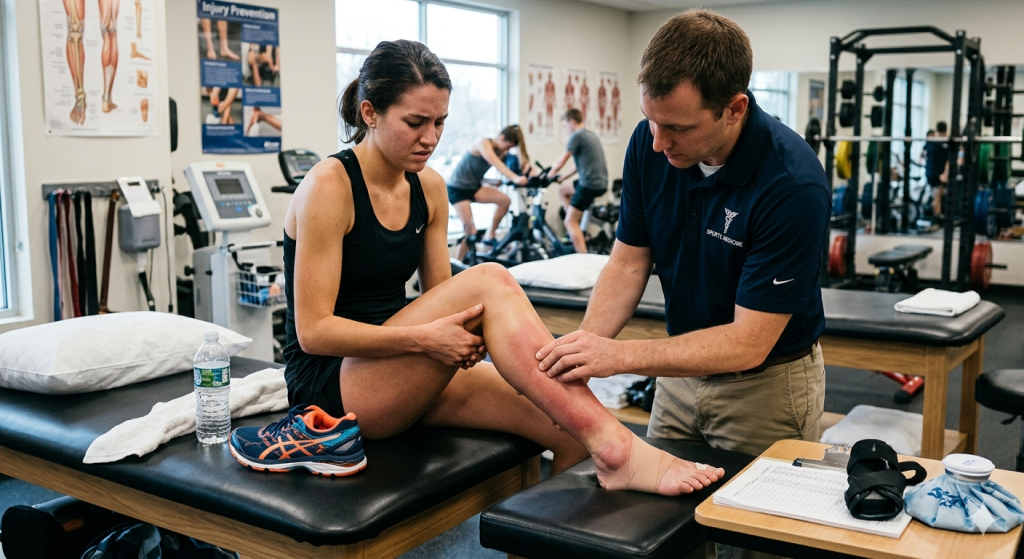
Athletes constantly push their bodies to achieve better performance, faster times, and greater endurance. While regular training improves strength and fitness, excessive physical stress can sometimes lead to injuries. One of the most common overuse injuries among athletes is a stress fracture. Unlike sudden bone breaks caused by accidents, stress fractures develop gradually due to repetitive force and overtraining. If ignored, they can worsen and lead to long-term complications that may keep athletes away from sports for months.
What Is a Stress Fracture?
A stress fracture is a tiny crack in a bone caused by repetitive pressure or overuse. These injuries are especially common in weight-bearing bones such as the shinbone (tibia), foot bones, ankle, and hip. Athletes involved in running, basketball, football, gymnastics, and track events are at a higher risk because their sports involve repeated impact on the bones.
Normally, bones repair themselves after physical activity. However, when training intensity increases too quickly without enough rest, the body may not have enough time to heal properly. Over time, small areas of damage accumulate and eventually result in a stress fracture. Learn more
Common Causes of Stress Fractures
Several factors contribute to stress fractures in athletes. One major cause is sudden increases in training intensity, duration, or frequency. For example, an athlete who suddenly doubles their running distance may overload their bones beyond what they can tolerate.
Poor footwear is another important factor. Shoes that lack proper support or cushioning fail to absorb impact effectively, increasing stress on the bones. Training on hard surfaces such as concrete can also raise the risk of injury.
Weak muscles and poor conditioning may contribute as well. Muscles normally help absorb shock during movement, but tired or weak muscles transfer more pressure directly to the bones. Inadequate nutrition, especially low calcium and vitamin D intake, can weaken bones and make them more vulnerable to fractures.
Female athletes may face additional risks due to hormonal imbalances and conditions such as the female athlete triad, which involves low energy intake, menstrual irregularities, and reduced bone density.
Warning Signs of a Stress Fracture
Recognizing the early symptoms of a stress fracture is very important because continuing physical activity can worsen the injury. The most common warning sign is pain that develops gradually during exercise and improves with rest. At first, the discomfort may seem minor, but it often becomes more intense over time.
Athletes may also notice tenderness when touching the affected area. Mild swelling can occur around the injured bone, especially after physical activity. Unlike muscle soreness, stress fracture pain usually becomes localized to one specific spot.
Another warning sign is pain that persists even during normal daily activities or while resting. When this happens, the injury may already be more severe and requires medical attention immediately.
How Stress Fractures Are Diagnosed
Doctors usually diagnose stress fractures through physical examination and medical history. They may ask about training routines, recent increases in activity, and symptoms experienced during exercise.
Imaging tests are often needed to confirm the diagnosis. X-rays may not always show early stress fractures, especially during the first few weeks. In some cases, MRI scans or bone scans are more effective because they can detect tiny bone injuries earlier.
Early diagnosis is important because untreated stress fractures can develop into complete bone breaks that may require surgery.
Recovery Tips for Athletes
1. Prioritize Rest
The most important treatment for a stress fracture is rest. Continuing intense physical activity can worsen the injury and delay healing. Most athletes need several weeks away from high-impact sports to allow the bone to recover properly.
2. Use Ice and Elevation
Applying ice packs to the affected area can reduce pain and swelling. Elevating the injured limb may also help decrease inflammation after activity.
3. Follow Medical Advice
Some stress fractures may require protective footwear, braces, or crutches to reduce pressure on the injured bone. Athletes should follow their doctor’s recommendations carefully to avoid complications.
4. Maintain Proper Nutrition
Healthy bones require adequate nutrients to heal effectively. Athletes should consume foods rich in calcium, vitamin D, protein, and magnesium. Dairy products, leafy vegetables, fish, eggs, and nuts are excellent choices for bone health.
5. Gradually Return to Training
Returning to sports too quickly increases the chance of reinjury. Athletes should slowly rebuild strength and endurance under professional guidance. Low-impact exercises such as swimming and cycling may help maintain fitness during recovery.
6. Wear Appropriate Footwear
Supportive athletic shoes with proper cushioning can reduce stress on bones during training. Replacing worn-out shoes regularly is also important for injury prevention.
7. Avoid Overtraining
Rest days are essential for bone recovery and muscle repair. Athletes should avoid sudden increases in training intensity and follow structured exercise programs that include adequate recovery time.
Preventing Stress Fractures
Prevention is always better than treatment. Athletes can reduce their risk by warming up properly before exercise, increasing training intensity gradually, and maintaining good overall fitness. Strength training exercises can improve muscle support around the bones and reduce impact stress.
Listening to the body is equally important. Persistent pain should never be ignored, especially when it worsens during activity. Seeking early medical attention can prevent minor injuries from becoming serious problems.
Read: Hantavirus: What It Is, How It Spreads, and Why It’s Back in the Headlines
Conclusion
Stress fractures are common overuse injuries that affect many athletes, especially those involved in high-impact sports. Although these injuries may begin with mild discomfort, ignoring the warning signs can lead to serious complications and longer recovery periods. Early diagnosis, proper rest, balanced nutrition, and gradual return to activity are essential for successful healing. By following safe training practices and paying attention to their bodies, athletes can protect their bones, improve performance, and stay active for years to come.