Understanding the Health Risks of Excessive Energy Drink Consumption
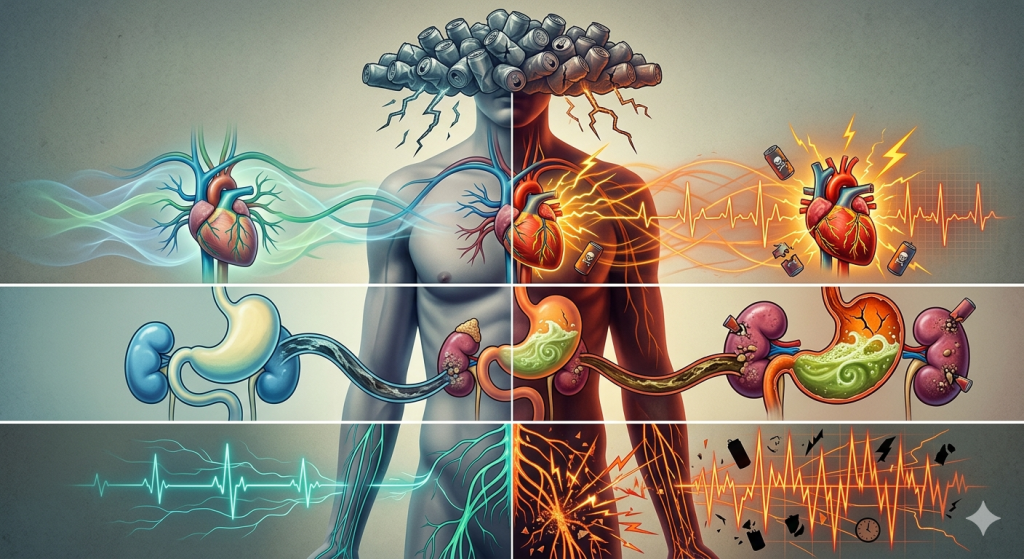
Energy drinks have become increasingly popular among teenagers, students, athletes, and working adults looking for a quick boost of energy. Marketed as products that improve alertness, concentration, and physical performance, these beverages are now consumed worldwide on a daily basis. However, while occasional use may seem harmless, excessive energy drink consumption can pose serious health risks that many people overlook.
Understanding how energy drinks affect the body is important for making safer lifestyle and dietary choices.
What Are Energy Drinks?
Energy drinks are beverages designed to increase energy and mental alertness. They often contain high levels of caffeine, sugar, and stimulants such as taurine, guarana, and B vitamins. Popular examples include canned beverages commonly sold in supermarkets, gyms, and convenience stores.
Unlike sports drinks, which are meant to replace fluids and electrolytes after exercise, energy drinks primarily stimulate the nervous system. Learn more
Why People Consume Energy Drinks
Many individuals turn to energy drinks for several reasons, including:
- Staying awake during work or study sessions
- Improving concentration and alertness
- Boosting athletic performance
- Fighting fatigue and tiredness
- Enhancing mood and motivation
Although they may provide temporary energy, overconsumption can negatively affect physical and mental health.
Common Ingredients That May Be Harmful in Excess
Caffeine
Most energy drinks contain very high amounts of caffeine. Excess caffeine can overstimulate the body and cause unwanted side effects.
Sugar
Many brands are loaded with sugar, increasing the risk of obesity, diabetes, and tooth decay when consumed regularly.
Guarana
Guarana is a plant extract that naturally contains caffeine. When combined with added caffeine, it may increase the stimulant effect.
Taurine and Other Stimulants
These ingredients may interact with caffeine and affect heart rate and blood pressure, especially in sensitive individuals.
Health Risks of Excessive Energy Drink Consumption
Increased Heart Problems
One of the most serious concerns linked to energy drinks is their effect on the heart. Excessive intake may lead to:
- Rapid heartbeat
- High blood pressure
- Heart palpitations
- Irregular heart rhythms
People with underlying heart conditions may face even greater risks.
Sleep Disturbances
Because energy drinks contain large amounts of caffeine, they can interfere with normal sleep patterns. Poor sleep may lead to:
- Fatigue
- Reduced concentration
- Mood changes
- Weakened immune function
Regular lack of sleep can also increase the risk of chronic diseases.
Anxiety and Mental Health Effects
Too much caffeine may trigger or worsen mental health symptoms such as:
- Anxiety
- Nervousness
- Irritability
- Panic attacks
- Restlessness
Some individuals may also become psychologically dependent on energy drinks to function throughout the day.
Risk of Dehydration
Energy drinks can contribute to dehydration, especially when consumed during intense physical activity or in hot weather. Caffeine may increase fluid loss, particularly when large quantities are consumed.
Weight Gain and Diabetes Risk
Many energy drinks contain excessive sugar and calories. Frequent consumption can contribute to:
- Weight gain
- Increased blood sugar levels
- Higher risk of type 2 diabetes
- Metabolic problems
Sugar-free versions may still contain high stimulant levels that can affect health.
Kidney and Liver Stress
Overconsumption of energy drinks may place stress on the kidneys and liver. Some reports have linked excessive intake to kidney problems and liver complications, especially when combined with alcohol or other stimulants.
Dangerous Combination With Alcohol
Mixing energy drinks with alcohol is especially risky. The stimulating effects of caffeine can mask feelings of intoxication, causing individuals to drink more alcohol than they realize. This increases the risk of:
- Alcohol poisoning
- Accidents and injuries
- Risky behavior
- Dehydration
Who Is Most at Risk?
Certain groups should be especially cautious with energy drinks, including:
- Teenagers and children
- Pregnant women
- People with heart conditions
- Individuals with anxiety disorders
- People sensitive to caffeine
Healthcare professionals often recommend limiting or avoiding energy drink consumption in these populations.
Healthier Alternatives for Energy and Alertness
Instead of relying heavily on energy drinks, consider healthier ways to maintain energy levels:
- Drinking enough water
- Getting adequate sleep
- Eating balanced meals
- Exercising regularly
- Limiting sugar intake
- Drinking moderate amounts of coffee or tea
Natural lifestyle habits provide more sustainable energy without the potential risks associated with excessive stimulants.
Tips for Safer Consumption
If you choose to drink energy drinks, consider these safety tips:
- Limit intake to occasional use
- Read caffeine content labels carefully
- Avoid mixing with alcohol
- Do not consume several cans in one day
- Avoid energy drinks before bedtime
- Stay hydrated with water
Moderation is key to reducing potential health complications.
Read: Why Skin Protection and Sun Safety Matter More Than Ever
Conclusion
Energy drinks may offer temporary alertness and increased energy, but excessive consumption can have harmful effects on the heart, brain, sleep, and overall health. High caffeine and sugar levels make these beverages risky when consumed frequently or in large amounts.
Being aware of the dangers of excessive energy drink intake can help individuals make healthier decisions and protect their long-term well-being. Choosing balanced nutrition, proper rest, and healthy daily habits remains the safest and most effective way to maintain energy naturally.