The Growing Popularity of Continuous Glucose Monitoring for Non-Diabetics
Continuous Glucose Monitoring (CGM) technology has long been associated with diabetes management, helping individuals track their blood sugar levels in real time. However, in recent years, CGMs have gained popularity among non-diabetics who are interested in optimizing their health, improving nutrition, enhancing athletic performance, and gaining deeper insights into how their bodies respond to food and lifestyle choices.
As wearable health technology continues to evolve, many health-conscious individuals are exploring the benefits of continuous glucose monitoring as a tool for preventive health and personalized wellness.
What Is Continuous Glucose Monitoring?
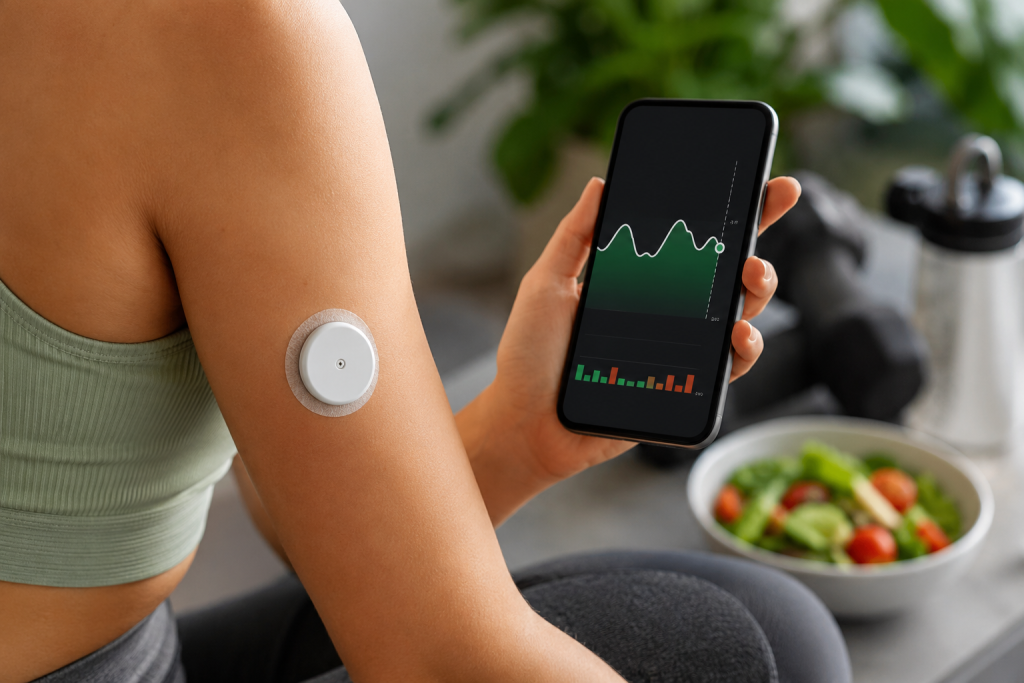
A Continuous Glucose Monitor is a small wearable device that measures glucose levels in the fluid beneath the skin throughout the day and night. Unlike traditional finger-prick blood tests, CGMs provide real-time data, often updating glucose readings every few minutes. Learn more
The device typically consists of:
- A small sensor placed on the skin
- A transmitter that sends glucose data
- A smartphone app or receiver that displays readings and trends
This continuous stream of information allows users to observe how food, exercise, stress, sleep, and daily activities influence their glucose levels.
Why Are Non-Diabetics Using CGMs?
Many people without diabetes are turning to CGMs as part of a broader trend toward personalized health monitoring. The goal is not necessarily to diagnose a medical condition but to gain insights into metabolic health and make informed lifestyle decisions.
Common reasons include:
Understanding Individual Responses to Food
Two people can eat the same meal and experience very different blood sugar responses. CGMs help users identify which foods cause significant glucose spikes and which promote more stable blood sugar levels.
This information can support healthier dietary choices tailored to an individual’s unique metabolism.
Weight Management
Blood sugar fluctuations can influence hunger, cravings, and energy levels. By understanding how different foods affect glucose levels, some individuals use CGMs to develop eating habits that support weight management goals.
Improving Athletic Performance
Athletes and fitness enthusiasts often use CGMs to better understand how exercise impacts glucose levels. This information can help optimize meal timing, recovery nutrition, and energy management during training.
Supporting Long-Term Health
Research suggests that maintaining healthy blood sugar levels may contribute to better metabolic health and potentially reduce the risk of conditions such as obesity, insulin resistance, and type 2 diabetes.
CGMs offer a window into metabolic patterns that may otherwise go unnoticed.
The Link Between Glucose Levels and Overall Health
Even in people without diabetes, blood sugar levels naturally rise and fall throughout the day. However, frequent or excessive glucose spikes may place stress on the body’s metabolic systems.
Healthy glucose management has been associated with:
- Sustained energy levels
- Improved concentration
- Better appetite control
- Reduced fatigue after meals
- Enhanced metabolic health
By identifying patterns that lead to glucose instability, individuals can make adjustments that support overall wellness.
Lifestyle Factors That Affect Glucose Levels
Continuous glucose monitoring often reveals that blood sugar responses are influenced by more than just food.
Factors that can affect glucose levels include:
Sleep Quality
Poor sleep can increase insulin resistance and lead to higher glucose levels the following day.
Stress
Stress hormones such as cortisol can trigger glucose increases, even when no food has been consumed.
Physical Activity
Exercise generally helps improve glucose regulation, although intense workouts may temporarily elevate glucose levels in some individuals.
Meal Composition
Meals rich in refined carbohydrates and added sugars often produce larger glucose spikes compared to meals containing protein, fiber, and healthy fats.
Benefits of Continuous Glucose Monitoring for Non-Diabetics
Personalized Health Insights
CGMs provide individualized data rather than relying on general dietary recommendations.
Increased Awareness
Many users become more mindful of how daily habits influence their health.
Motivation for Healthy Habits
Seeing real-time glucose responses can encourage healthier food choices, regular exercise, and better sleep practices.
Early Identification of Potential Issues
In some cases, unusual glucose patterns may prompt individuals to seek medical advice regarding metabolic health.
Potential Limitations
While CGMs offer valuable insights, they are not without limitations.
Data Can Be Misinterpreted
Glucose fluctuations are normal, and not every spike is harmful. Interpreting data without proper context can lead to unnecessary concern.
Cost Considerations
CGM devices can be expensive, particularly for individuals who do not have a medical condition requiring their use.
Not a Substitute for Medical Advice
CGMs should complement—not replace—professional healthcare guidance. Individuals concerned about their blood sugar levels should consult a healthcare provider.
Is Continuous Glucose Monitoring Right for Everyone?
Continuous glucose monitoring may be beneficial for individuals interested in learning more about their metabolic health, nutrition, and lifestyle habits. However, not everyone needs a CGM to maintain good health.
For many people, balanced nutrition, regular exercise, adequate sleep, and routine health checkups remain the foundation of long-term wellness.
The decision to use a CGM should be based on personal health goals, budget, and discussions with qualified healthcare professionals.
Read: Understanding Oral Thrush: Symptoms and Treatment Options
Conclusion
The growing popularity of Continuous Glucose Monitoring among non-diabetics reflects a broader shift toward personalized and preventive healthcare. By providing real-time insights into how food, exercise, sleep, and stress affect blood sugar levels, CGMs empower individuals to make more informed decisions about their health.
While these devices are not essential for everyone, they offer a fascinating glimpse into the body’s metabolic processes and may help users develop healthier habits that support long-term well-being. As wearable health technology continues to advance, continuous glucose monitoring is likely to remain a significant trend in the future of personalized wellness.