Mindful Movement: Why Gentle Exercise Is Gaining Attention
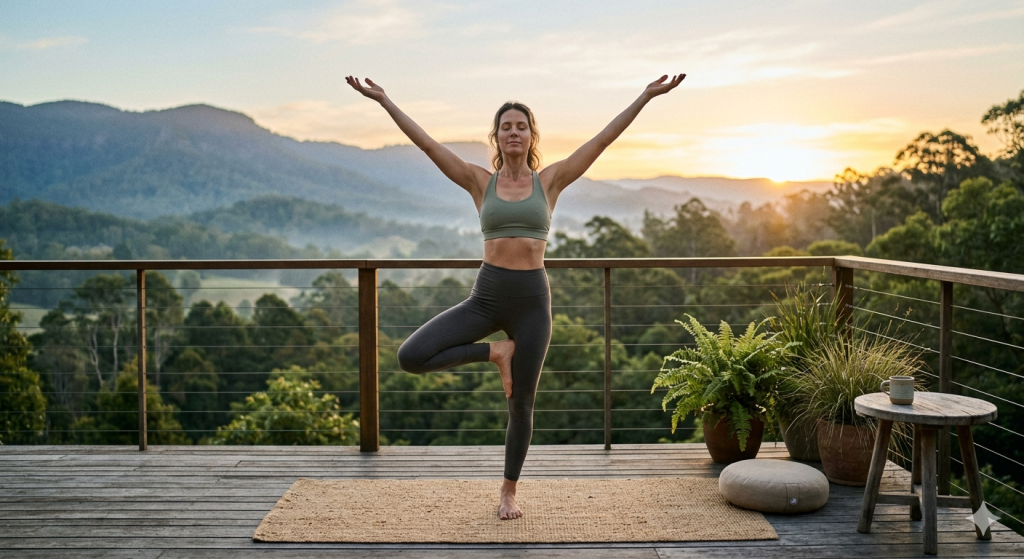
In today’s fast-paced world, fitness is often associated with intense workouts, heavy lifting, and high-energy training sessions. While these forms of exercise can offer significant health benefits, a growing number of people are embracing a different approach to physical activity mindful movement. This wellness trend focuses on moving the body with awareness, intention, and connection rather than solely pursuing performance or calorie-burning goals.
Mindful movement is gaining popularity because it supports both physical and mental well-being, making exercise more accessible, sustainable, and enjoyable for people of all ages and fitness levels.
What Is Mindful Movement?
Mindful movement combines physical activity with present-moment awareness. Instead of rushing through exercises or focusing only on results, individuals pay attention to their breathing, posture, body sensations, and movements. Learn more
The goal is to create a stronger mind-body connection while promoting relaxation, balance, and overall health.
Examples of mindful movement include:
- Yoga
- Tai Chi
- Qigong
- Pilates
- Walking meditation
- Stretching routines
- Gentle mobility exercises
- Slow-paced dance or movement practices
These activities encourage participants to focus on how their bodies feel rather than how they look or perform.
Why Is Gentle Exercise Becoming More Popular?
Several factors have contributed to the growing interest in mindful movement and gentle exercise.
Increased Awareness of Mental Health
Many people are recognizing the importance of managing stress, anxiety, and emotional well-being. Gentle forms of exercise can help calm the nervous system while reducing feelings of tension and overwhelm.
Mindful movement encourages relaxation and can provide a break from the constant distractions of modern life.
Burnout from Intense Fitness Culture
While high-intensity workouts can be effective, some individuals experience physical fatigue, injury, or mental burnout from constantly pushing themselves.
Mindful movement offers a more sustainable alternative that prioritizes consistency and self-care over extreme performance.
Accessibility for All Ages
Gentle exercise is suitable for a wide range of individuals, including:
- Older adults
- Beginners
- People recovering from injuries
- Individuals with chronic pain
- Those seeking low-impact fitness options
Its adaptability makes it an attractive choice for people who may feel intimidated by traditional fitness programs.
Physical Benefits of Mindful Movement
Although mindful movement is often gentle, it can still provide significant physical health benefits.
Improved Flexibility
Regular stretching and controlled movements help increase range of motion and reduce muscle stiffness.
Better Balance and Coordination
Practices such as Tai Chi and Pilates improve body awareness, stability, and coordination, which may help reduce the risk of falls.
Enhanced Posture
Mindful movement encourages proper alignment and body mechanics, helping to relieve tension caused by prolonged sitting and poor posture.
Reduced Risk of Injury
Because movements are performed slowly and with awareness, participants are less likely to strain muscles or overexert themselves.
Support for Joint Health
Low-impact activities place less stress on joints while helping maintain mobility and function.
Mental and Emotional Benefits
One of the biggest reasons mindful movement is attracting attention is its positive effect on mental health.
Stress Reduction
Focusing on breathing and movement can activate the body’s relaxation response, helping lower stress levels.
Increased Mindfulness
Mindful movement trains individuals to stay present, reducing excessive worry about the future or rumination about the past.
Improved Mood
Physical activity naturally promotes the release of endorphins, while mindful practices may enhance feelings of calmness and emotional balance.
Better Sleep
Many people find that gentle exercise helps relax the body and mind, contributing to improved sleep quality.
The Science Behind Mindful Movement
Research continues to highlight the benefits of combining movement with mindfulness practices. Studies suggest that activities such as yoga and Tai Chi can improve mental health, reduce stress, support cardiovascular health, and enhance overall quality of life.
Experts believe that mindful movement works by integrating physical activity with focused attention, creating positive effects on both the brain and body.
How to Incorporate Mindful Movement Into Your Daily Routine
You do not need special equipment or extensive training to begin practicing mindful movement.
Simple ways to get started include:
Take a Mindful Walk
Pay attention to your surroundings, breathing, and the sensation of each step.
Practice Gentle Stretching
Spend a few minutes each day stretching while focusing on how your muscles feel.
Try Yoga or Tai Chi
Beginner-friendly classes and online tutorials can help you learn basic techniques.
Focus on Your Breath
During any physical activity, bring awareness to your breathing patterns and body movements.
Slow Down
Rather than rushing through exercise, move deliberately and notice how your body responds.
Is Mindful Movement Enough Exercise?
Mindful movement can be an excellent component of a healthy lifestyle. While some individuals may still benefit from incorporating strength training or cardiovascular exercise, gentle movement provides valuable physical and mental health benefits on its own.
The best exercise routine is one that is safe, enjoyable, and sustainable. For many people, mindful movement helps create a balanced approach to fitness that supports long-term well-being.
Read: The Growing Popularity of Continuous Glucose Monitoring for Non-Diabetics
Conclusion
The growing popularity of mindful movement reflects a shift toward more holistic approaches to health and wellness. By emphasizing awareness, balance, and self-care, gentle exercise offers a powerful way to improve both physical and mental health without the pressure of intense workouts.
Whether through yoga, stretching, Tai Chi, or simply taking a mindful walk, incorporating gentle movement into daily life can help reduce stress, enhance mobility, and foster a deeper connection between the mind and body. As more people seek sustainable ways to stay healthy, mindful movement is likely to remain an important wellness trend for years to come.