Common Childhood Illnesses and How to Prevent Them
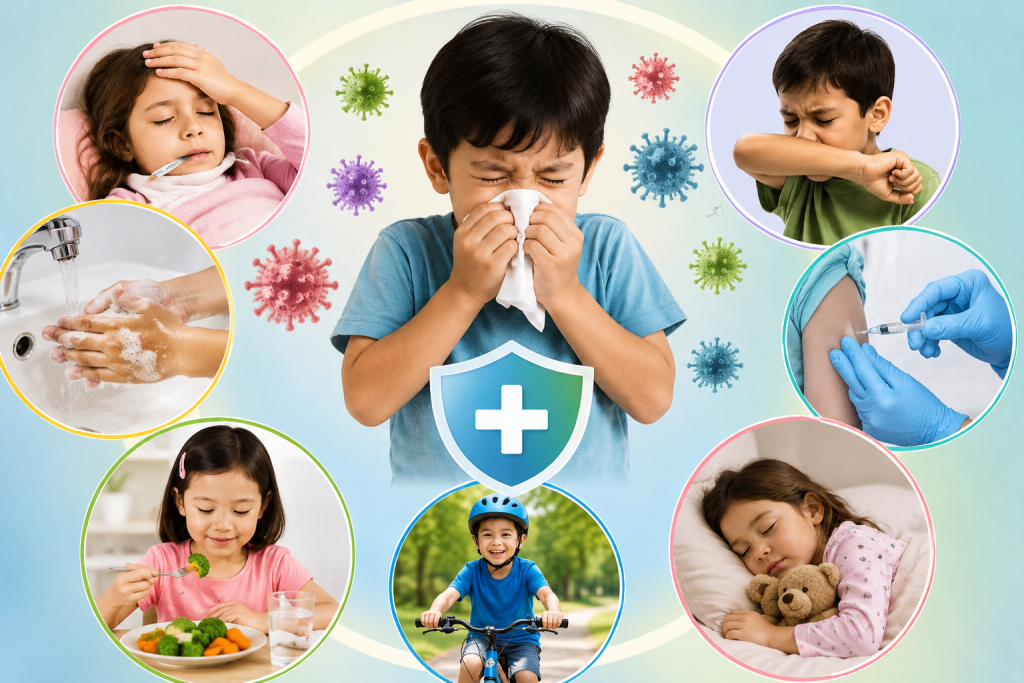
Children are naturally curious and active, which helps them learn and grow. However, their developing immune systems can make them more vulnerable to various illnesses. While many childhood illnesses are mild and resolve on their own, prevention remains the best way to keep children healthy and reduce the risk of complications. Understanding common childhood illnesses and adopting preventive measures can help parents and caregivers protect their children’s well-being.
Why Children Are More Susceptible to Illnesses
Children frequently interact with other children at schools, daycare centers, playgrounds, and social gatherings. This close contact makes it easier for germs to spread. Additionally, younger children may not always practice proper hygiene, increasing their exposure to viruses and bacteria. Learn more
Common Childhood Illnesses
1. Common Cold
The common cold is one of the most frequent illnesses among children. It is caused by various viruses and typically results in symptoms such as:
- Runny or stuffy nose
- Sneezing
- Sore throat
- Mild cough
- Low-grade fever
- Fatigue
Prevention Tips:
- Encourage regular handwashing with soap and water.
- Teach children to avoid touching their face.
- Keep children away from individuals who are sick.
- Ensure adequate sleep and proper nutrition.
2. Influenza (Flu)
The flu is a contagious respiratory illness that can be more severe than a common cold. Symptoms may include:
- High fever
- Chills
- Body aches
- Headache
- Cough
- Fatigue
Prevention Tips:
- Ensure your child receives an annual flu vaccine.
- Promote good hand hygiene.
- Encourage covering the mouth and nose when coughing or sneezing.
- Keep sick children at home to prevent spreading the virus.
3. Ear Infections
Ear infections are common in infants and young children, often occurring after a cold or respiratory infection.
Symptoms:
- Ear pain
- Difficulty sleeping
- Fussiness
- Fever
- Trouble hearing
Prevention Tips:
- Avoid exposure to tobacco smoke.
- Keep vaccinations up to date.
- Breastfeed infants when possible, as it may reduce infection risk.
- Practice good hygiene to reduce respiratory infections.
4. Gastroenteritis (Stomach Flu)
Gastroenteritis is an infection that affects the stomach and intestines, causing:
- Diarrhea
- Vomiting
- Stomach cramps
- Fever
- Dehydration
Prevention Tips:
- Encourage frequent handwashing, especially after using the bathroom.
- Wash fruits and vegetables thoroughly.
- Ensure safe food preparation and storage.
- Avoid sharing utensils with infected individuals.
5. Hand, Foot, and Mouth Disease
This viral illness is common in children under five years old.
Symptoms:
- Fever
- Sore throat
- Painful mouth sores
- Rash on hands and feet
Prevention Tips:
- Wash hands regularly.
- Clean and disinfect frequently touched surfaces.
- Avoid close contact with infected children.
- Teach children not to share cups, utensils, or personal items.
6. Chickenpox
Although less common due to vaccination, chickenpox can still occur.
Symptoms:
- Itchy rash
- Fever
- Fatigue
- Loss of appetite
Prevention Tips:
- Ensure children receive recommended chickenpox vaccinations.
- Avoid contact with infected individuals.
- Maintain good hygiene practices.
7. Conjunctivitis (Pink Eye)
Pink eye is an inflammation or infection of the eye’s outer membrane.
Symptoms:
- Red eyes
- Itching or irritation
- Eye discharge
- Tearing
Prevention Tips:
- Encourage children not to rub their eyes.
- Wash hands frequently.
- Avoid sharing towels, washcloths, or eye products.
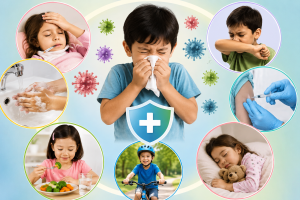
General Strategies to Prevent Childhood Illnesses
Maintain Up-to-Date Vaccinations
Vaccinations provide protection against many serious childhood diseases, including measles, mumps, rubella, whooping cough, and chickenpox. Follow your healthcare provider’s recommended immunization schedule.
Promote Healthy Nutrition
A balanced diet rich in fruits, vegetables, whole grains, lean proteins, and healthy fats supports a strong immune system and overall health.
Encourage Regular Physical Activity
Physical activity helps strengthen the immune system, improve mood, and support healthy growth and development.
Ensure Adequate Sleep
Children need sufficient sleep for their bodies to recover, grow, and fight infections effectively. Establish a consistent bedtime routine and age-appropriate sleep schedule.
Teach Proper Hygiene Habits
Children should learn to:
- Wash hands before eating and after using the restroom.
- Cover coughs and sneezes with a tissue or elbow.
- Avoid sharing personal items.
- Keep fingernails clean and trimmed.
Maintain a Clean Environment
Regularly disinfect toys, frequently touched surfaces, and shared spaces to reduce the spread of germs.
When to Seek Medical Attention
While many childhood illnesses are mild, parents should consult a healthcare professional if a child experiences:
- High or persistent fever
- Difficulty breathing
- Severe dehydration
- Persistent vomiting or diarrhea
- Unusual rash
- Extreme lethargy or confusion
- Symptoms that worsen or do not improve
Read: The Importance of Regular Liver Function Tests
Conclusion
Childhood illnesses are a normal part of growing up, but many can be prevented through proper hygiene, vaccinations, healthy nutrition, adequate sleep, and regular medical care. By taking proactive steps, parents and caregivers can help reduce the risk of infections and support their child’s long-term health and development. Creating healthy habits early in life lays the foundation for a stronger immune system and a healthier future.