The Importance of Regular Liver Function Tests
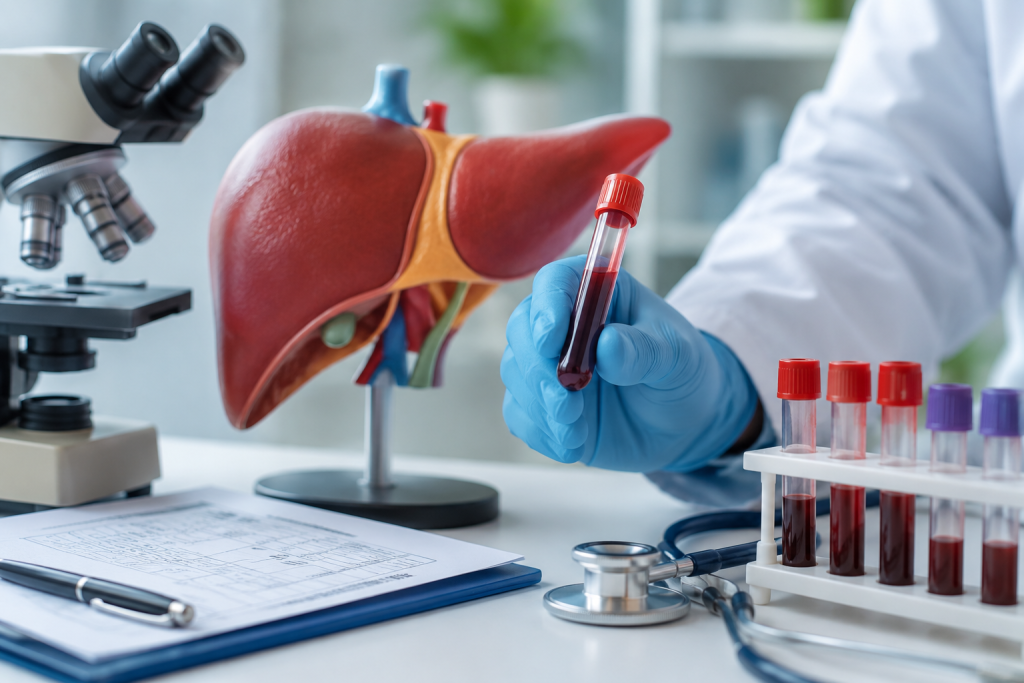
The liver is one of the body’s most vital organs, performing hundreds of essential functions that keep us healthy. It helps process nutrients, filters toxins from the blood, produces proteins, stores energy, and supports digestion. Despite its critical role, liver disease often develops silently, with few or no symptoms in its early stages. This is why regular liver function tests (LFTs) are so important. These simple blood tests can help detect liver problems early, allowing for timely treatment and better health outcomes.
What Are Liver Function Tests?
Liver function tests are a group of blood tests used to assess the health and performance of the liver. They measure levels of specific enzymes, proteins, and substances in the blood, including:
- Alanine aminotransferase (ALT)
- Aspartate aminotransferase (AST)
- Alkaline phosphatase (ALP)
- Bilirubin
- Albumin
- Gamma-glutamyl transferase (GGT)
Abnormal results may indicate inflammation, infection, liver damage, or impaired liver function.
Why Regular Liver Function Tests Matter
Early Detection of Liver Disease
Many liver conditions, including fatty liver disease, hepatitis, and cirrhosis, may not cause noticeable symptoms during their early stages. Regular testing can identify abnormalities before significant liver damage occurs, increasing the chances of successful treatment. Learn more
Monitoring Existing Liver Conditions
Individuals diagnosed with liver disease often require ongoing monitoring. Liver function tests help healthcare providers evaluate disease progression, assess treatment effectiveness, and make necessary adjustments to management plans.
Identifying Medication-Related Liver Damage
Certain medications, supplements, and herbal products can affect liver health. Regular testing helps detect potential liver damage caused by long-term medication use, allowing healthcare providers to intervene before serious complications develop.
Assessing Lifestyle-Related Risks
Factors such as obesity, excessive alcohol consumption, diabetes, and high cholesterol can increase the risk of liver disease. Routine liver function tests help monitor the impact of these risk factors and encourage early lifestyle changes when needed.
Supporting Overall Health Screenings
Liver function tests are often included in routine health assessments. They provide valuable information about overall health and may reveal underlying medical conditions that require further investigation.
Who Should Consider Regular Liver Function Testing?
While anyone can benefit from periodic health screenings, liver function tests are especially important for individuals who:
- Have a history of liver disease
- Consume alcohol regularly
- Are overweight or obese
- Have type 2 diabetes
- Have high cholesterol levels
- Take medications that may affect the liver
- Have a family history of liver disorders
- Have been exposed to viral hepatitis
- Experience symptoms such as fatigue, jaundice, abdominal pain, or unexplained weight loss
Common Conditions Detected Through Liver Function Tests
Regular liver function testing can help identify or monitor:
- Non-alcoholic fatty liver disease (NAFLD)
- Alcohol-related liver disease
- Hepatitis A, B, and C
- Liver cirrhosis
- Autoimmune liver diseases
- Bile duct disorders
- Liver cancer
- Drug-induced liver injury
What Happens If Results Are Abnormal?
An abnormal liver function test does not automatically mean serious liver disease is present. Many factors can temporarily affect liver enzyme levels, including medications, infections, and strenuous exercise. If abnormalities are detected, your healthcare provider may recommend:
- Repeat testing
- Additional blood tests
- Imaging studies such as ultrasound or CT scans
- Lifestyle modifications
- Specialist referral for further evaluation
How to Maintain a Healthy Liver
In addition to regular testing, you can support liver health by:
- Eating a balanced and nutritious diet
- Maintaining a healthy weight
- Exercising regularly
- Limiting alcohol consumption
- Avoiding smoking
- Staying hydrated
- Practicing safe hygiene to reduce hepatitis risk
- Using medications only as directed
Read: Myths and Facts About Liver Detoxification
Conclusion
Regular liver function tests are a valuable tool for protecting your health. Because liver disease often develops without obvious symptoms, routine screening can help detect problems early, monitor ongoing conditions, and prevent serious complications. Whether you have risk factors for liver disease or simply want to stay proactive about your health, discussing liver function testing with your healthcare provider can be an important step toward long-term wellness. Early detection and timely intervention remain the keys to maintaining a healthy liver and a healthier life.