How Much Sleep Does a Baby Need at Every Age?
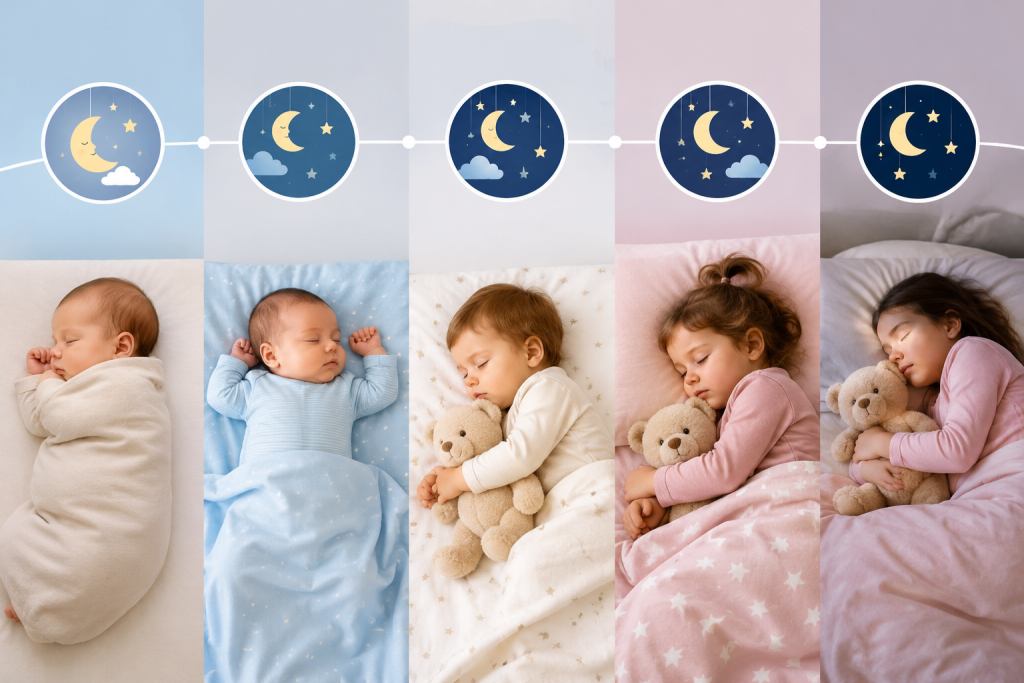
Sleep plays a crucial role in a baby’s growth, brain development, immune function, and overall well-being. During the first few years of life, babies spend a significant portion of their time sleeping because their bodies and minds are developing rapidly. However, sleep needs change as babies grow, and understanding these changes can help parents establish healthy sleep habits and ensure their child gets the rest they need.
Why Sleep Is Important for Babies
Sleep is essential for physical and cognitive development. While sleeping, babies process new information, strengthen memory, support healthy growth, and restore energy. Adequate sleep can also improve mood, feeding patterns, and overall health. Learn more
Some benefits of quality sleep include:
- Healthy brain development
- Improved learning and memory
- Stronger immune system
- Better emotional regulation
- Support for physical growth and development
Newborns (0–3 Months)
Recommended Sleep Duration:
14–17 hours per day
Newborns sleep for short periods throughout the day and night, typically waking every two to four hours for feeding. Their sleep cycles are not yet regulated by day and night, making irregular sleep patterns completely normal.
Sleep Characteristics:
- Frequent naps throughout the day
- Wake-ups for feeding
- No established sleep schedule
- Active and quiet sleep stages
Helpful Tips:
- Put your baby to sleep on their back.
- Keep the sleep environment safe and comfortable.
- Respond to feeding and comfort needs promptly.
Infants (4–6 Months)
Recommended Sleep Duration:
12–16 hours per day, including naps
At this stage, babies begin developing a more predictable sleep schedule. Some may start sleeping for longer stretches at night, although nighttime feedings may still be necessary.
Sleep Characteristics:
- Longer nighttime sleep periods
- Two to four daytime naps
- Developing circadian rhythm
Helpful Tips:
- Establish a calming bedtime routine.
- Encourage day-night differentiation by exposing babies to natural daylight during waking hours.
Babies (7–12 Months)
Recommended Sleep Duration:
12–16 hours per day, including naps
Many babies can sleep through the night by this age, although sleep regressions, teething, and developmental milestones may occasionally disrupt sleep.
Sleep Characteristics:
- Two regular naps daily
- Longer nighttime sleep
- Increased awareness of surroundings
Helpful Tips:
- Maintain a consistent bedtime schedule.
- Create a quiet and soothing sleep environment.
- Encourage self-soothing skills when appropriate.
Toddlers (1–2 Years)
Recommended Sleep Duration:
11–14 hours per day, including naps
Toddlers become more active and curious, making quality sleep even more important. Most toddlers transition from two naps to one afternoon nap during this stage.
Sleep Characteristics:
- One daytime nap
- Approximately 10–12 hours of nighttime sleep
- Occasional resistance to bedtime
Helpful Tips:
- Follow a predictable daily routine.
- Limit stimulating activities before bedtime.
- Use bedtime stories or calming activities to promote relaxation.
Preschool Age (3–5 Years)
Recommended Sleep Duration:
10–13 hours per day
As children grow, naps may become less frequent, and nighttime sleep becomes the primary source of rest.
Sleep Characteristics:
- Some children stop napping altogether
- More consistent sleep schedules
- Increased independence at bedtime
Helpful Tips:
- Maintain a regular bedtime and wake-up time.
- Reduce screen exposure before sleep.
- Ensure the bedroom is comfortable and free from distractions.
Signs Your Baby Is Getting Enough Sleep
Every child is different, but babies who get adequate sleep often:
- Wake up alert and content
- Feed well
- Meet developmental milestones
- Show consistent growth patterns
- Have predictable sleep and wake cycles
Signs Your Baby May Need More Sleep
Parents should watch for signs of sleep deprivation, including:
- Excessive fussiness or irritability
- Difficulty falling asleep
- Frequent night waking
- Trouble concentrating or engaging
- Increased clinginess
- Falling asleep at unusual times
If sleep concerns persist, consulting a pediatrician can help identify any underlying issues.
Creating Healthy Sleep Habits
Healthy sleep habits can support better sleep at every stage of development.
Establish a Bedtime Routine
A consistent routine signals to your baby that it is time to sleep. Activities may include:
- Bathing
- Reading a story
- Gentle rocking
- Soft lullabies
Maintain a Safe Sleep Environment
To reduce the risk of sleep-related accidents:
- Always place babies on their backs to sleep.
- Use a firm mattress.
- Keep the crib free of pillows, blankets, and stuffed toys.
- Avoid overheating the room.
Encourage Consistency
Babies thrive on routine. Consistent bedtimes and wake times help regulate their internal body clock and improve sleep quality.
Common Sleep Challenges
Parents may encounter sleep difficulties such as:
Sleep Regression
Temporary disruptions in sleep patterns often occur during developmental milestones.
Teething
Discomfort from emerging teeth can make falling asleep more difficult.
Separation Anxiety
Older babies may wake and cry when separated from caregivers.
Illness
Colds, ear infections, and other illnesses can temporarily affect sleep quality.
Patience and maintaining healthy sleep practices can help babies return to their normal sleep patterns.
Read: How to Prevent Diaper Rash and Keep Baby Comfortable
Conclusion
Sleep needs evolve as babies grow, but adequate rest remains essential for healthy development at every age. Newborns require the most sleep, while toddlers and preschoolers gradually need fewer hours as their sleep patterns mature. By understanding age-appropriate sleep requirements and establishing healthy routines, parents can support their child’s physical growth, emotional well-being, and cognitive development. A well-rested baby is often happier, healthier, and better prepared to explore the world around them.