Understanding Colic in Babies: Causes and Solutions
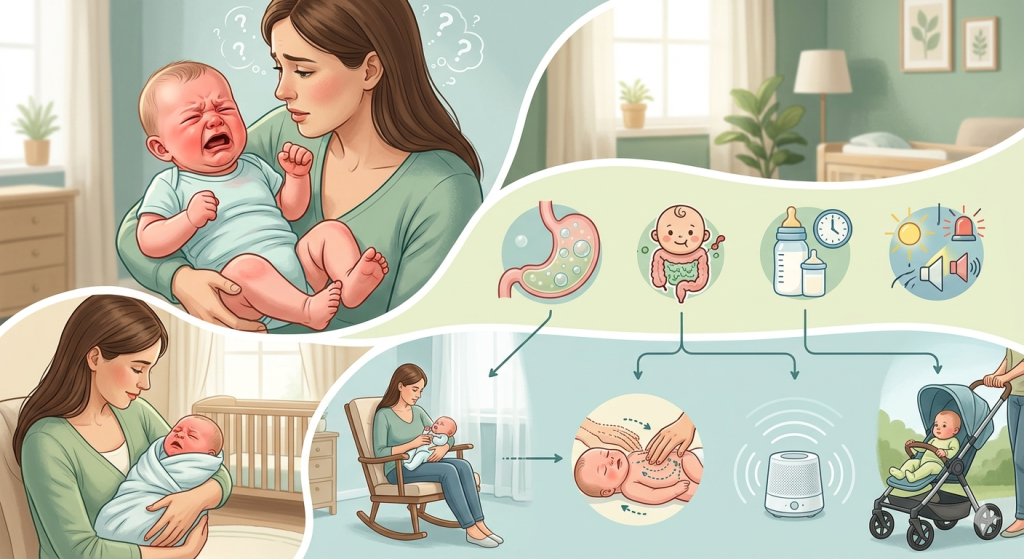
Welcoming a new baby into the family is an exciting experience, but it can also bring challenges. One common issue that many parents face is colic. Colic is characterized by prolonged periods of intense crying in an otherwise healthy baby. While colic is not a disease, it can be stressful for both infants and caregivers. Understanding its causes and learning effective solutions can help parents manage this difficult phase with greater confidence.
What Is Colic?
Colic is a condition that causes frequent, prolonged, and intense crying episodes in infants. Healthcare professionals often use the “Rule of Threes” to describe colic:
- Crying for more than three hours a day
- Occurring more than three days a week
- Lasting for at least three weeks
Colic usually begins when a baby is around two to three weeks old and tends to peak at six to eight weeks. Most babies outgrow colic by the time they are three to four months old. Learn more
Signs and Symptoms of Colic
Although all babies cry, colicky babies often display certain characteristics, including:
- Intense crying that may sound like screaming
- Crying episodes that occur at the same time each day, often in the evening
- Clenched fists during crying spells
- Tightened abdominal muscles
- Arching of the back
- Red or flushed face while crying
- Difficulty being soothed
These episodes can occur suddenly and may continue despite feeding, diaper changes, or comforting efforts.
What Causes Colic?
The exact cause of colic remains unknown, but several factors may contribute to the condition.
Immature Digestive System
A baby’s digestive system is still developing during the first few months of life. This immaturity may lead to gas buildup, discomfort, and digestive sensitivity.
Gas and Digestive Discomfort
Some babies swallow excess air while feeding or crying, which can cause bloating and abdominal discomfort.
Food Sensitivities
Certain proteins in breast milk or infant formula may trigger digestive irritation in sensitive babies. Dairy products, caffeine, or other foods consumed by breastfeeding mothers may sometimes contribute.
Overstimulation
Babies are constantly exposed to new sounds, lights, and activities. Some infants may become overwhelmed by their environment, leading to increased fussiness and crying.
Developing Nervous System
Experts believe that an immature nervous system may make it difficult for babies to regulate emotions and respond calmly to stimuli.
Family Stress
While stress does not directly cause colic, babies can sometimes react to tension within the household, which may worsen crying episodes.
How Is Colic Diagnosed?
There is no specific test for colic. A healthcare provider typically diagnoses colic by:
- Reviewing the baby’s medical history
- Assessing feeding patterns
- Evaluating growth and development
- Performing a physical examination
- Ruling out other causes of excessive crying, such as infections, reflux, or allergies
Parents should seek medical advice if their baby develops fever, vomiting, poor feeding, weight loss, or unusual symptoms.
Effective Solutions for Managing Colic
Although there is no guaranteed cure, several strategies can help soothe a colicky baby.
Try Gentle Feeding Techniques
- Feed your baby in an upright position.
- Burp your baby frequently during and after feeding.
- Ensure proper bottle nipple flow if bottle-feeding.
- Avoid overfeeding.
Use Soothing Motions
Many babies find comfort in rhythmic movements such as:
- Rocking in a chair
- Gentle swinging
- Walking while holding the baby
- Taking a stroller ride
- Using a baby carrier
Create a Calm Environment
Reducing noise, bright lights, and excessive activity may help overstimulated babies relax.
White Noise and Soft Sounds
The sound of a fan, white noise machine, or gentle lullabies can sometimes mimic the comforting sounds babies heard in the womb.
Consider Dietary Changes
For breastfeeding mothers, a healthcare provider may recommend temporarily eliminating foods such as dairy products if food sensitivity is suspected. Formula-fed babies may benefit from a specialized formula under medical supervision.
Offer a Pacifier
Some babies find comfort through sucking, which may help reduce crying episodes.
Gentle Tummy Massage
Light abdominal massage and supervised tummy time can sometimes help relieve gas and improve digestion.
When to Seek Medical Help
While colic is generally harmless, parents should contact a healthcare provider if their baby:
- Has a fever
- Refuses to feed
- Experiences persistent vomiting
- Has blood in the stool
- Shows breathing difficulties
- Appears unusually lethargic
- Is not gaining weight properly
These symptoms may indicate a medical condition that requires prompt evaluation.
Coping as a Parent
Caring for a colicky baby can be emotionally exhausting. Parents should remember to:
- Take breaks when needed
- Ask family members for support
- Rest whenever possible
- Share responsibilities with a partner or caregiver
- Seek professional guidance if stress becomes overwhelming
It is important to understand that colic is temporary and does not mean you are doing anything wrong as a parent.
Read: Postpartum Travel: When Is It Safe to Travel After Childbirth?
Conclusion
Colic is a common condition that affects many infants during the first few months of life. Although the exact cause remains unclear, factors such as digestive immaturity, gas, food sensitivities, and overstimulation may contribute. Fortunately, colic usually resolves on its own as babies grow. By using calming techniques, adjusting feeding practices, and seeking medical advice when necessary, parents can help ease their baby’s discomfort and navigate this challenging phase more effectively. Patience, support, and reassurance are key, as most babies eventually outgrow colic and continue to develop normally.