Understanding the New Ebola Outbreak and Global Response
Introduction
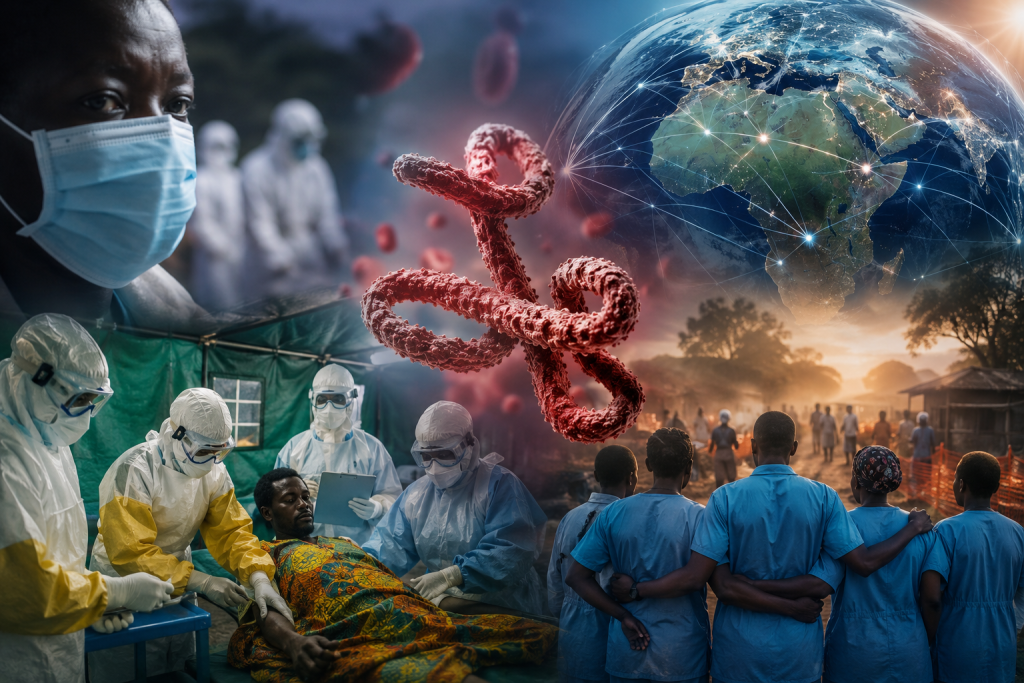
Ebola virus disease (EVD) remains one of the world’s most dangerous infectious diseases. Recent outbreaks in parts of Africa have once again raised global concern due to the virus’s high fatality rate and its ability to spread quickly within communities. Health organizations, governments, and researchers are working together to control the outbreaks, protect vulnerable populations, and prevent international spread.
Understanding the new Ebola outbreak and the global response is important because early awareness and coordinated action can save lives and reduce the impact of future epidemics.
What Is Ebola?
Ebola is a severe viral illness caused by the Ebola virus. It spreads through direct contact with the bodily fluids of an infected person or contaminated objects such as needles, clothing, or bedding. The disease was first identified in 1976 near the Ebola River in what is now the Democratic Republic of the Congo.
Ebola can affect humans and some animals, including monkeys and bats. Without proper treatment and rapid medical care, the disease can become life-threatening. Learn more
Symptoms of Ebola
Symptoms usually appear between 2 and 21 days after exposure to the virus. Early symptoms often resemble common infections, which can make diagnosis difficult at first.
Common symptoms include:
- Sudden fever
- Severe headache
- Muscle pain
- Weakness and fatigue
- Sore throat
- Vomiting and diarrhea
- Stomach pain
- Unexplained bleeding or bruising
As the disease progresses, patients may experience severe dehydration, organ failure, and internal bleeding.
Why the New Outbreak Is Concerning
Recent Ebola outbreaks have alarmed health experts because of several factors:
1. Rapid Spread in Communities
In areas with limited healthcare resources, Ebola can spread quickly among family members, healthcare workers, and caregivers.
2. Delayed Detection
Some infected individuals may not seek medical attention immediately because the symptoms resemble malaria, flu, or typhoid fever.
3. Cross-Border Movement
Travel between neighboring countries increases the risk of international transmission if proper screening measures are not in place.
4. Pressure on Health Systems
Outbreaks place heavy pressure on hospitals, laboratories, and emergency response teams, especially in developing regions.
How the Global Community Is Responding
Countries and international health organizations are taking several important steps to contain the outbreak and protect public health.
Emergency Surveillance and Contact Tracing
Health authorities quickly identify infected individuals and track people who may have been exposed to the virus. Contact tracing helps stop transmission chains before the disease spreads further.
Vaccination Campaigns
Vaccines have become a major breakthrough in Ebola prevention. Emergency vaccination programs are often launched in high-risk communities and among frontline healthcare workers.
Improved Treatment Centers
Special Ebola treatment units are established to isolate patients and provide supportive medical care, including hydration, oxygen support, and symptom management.
Public Awareness Campaigns
Governments and health agencies educate communities about:
- Hand hygiene
- Avoiding contact with infected individuals
- Safe burial practices
- Early reporting of symptoms
Public cooperation is essential for controlling outbreaks successfully.
International Support
Global organizations such as World Health Organization, Centers for Disease Control and Prevention, and humanitarian groups provide funding, medical supplies, laboratory support, and trained health personnel to affected countries.
The Importance of Early Detection
Early diagnosis greatly improves survival rates and helps reduce transmission. People living in outbreak regions should seek medical attention immediately if they develop symptoms after possible exposure.
Healthcare workers also play a critical role in recognizing suspected cases and implementing infection prevention measures quickly.
Can Ebola Be Prevented?
Yes. Several preventive measures can reduce the risk of infection:
- Wash hands regularly with soap and water
- Avoid contact with bodily fluids of infected persons
- Use protective equipment when caring for sick individuals
- Avoid handling dead animals in outbreak areas
- Follow public health advisories during outbreaks
- Support vaccination efforts where available
Strong healthcare systems and public cooperation are key to prevention.
The Future of Ebola Control
Scientific research continues to improve vaccines, treatments, and outbreak response strategies. Lessons learned from past outbreaks have strengthened international preparedness and cooperation.
Although Ebola remains a serious public health threat, rapid global response efforts, improved surveillance systems, and medical advancements are helping reduce the impact of new outbreaks.
Read: The Benefits of Tracking Your Daily Expenses
Conclusion
The new Ebola outbreak highlights the importance of global health preparedness and international cooperation. Quick action, public awareness, vaccination programs, and strong healthcare responses are essential to containing the virus and protecting communities.
As medical science advances, the world is becoming better equipped to fight Ebola outbreaks. However, continued vigilance, education, and investment in healthcare systems remain necessary to prevent future crises.