The Importance of Cervical Cancer Screening
Cervical cancer is one of the most preventable forms of cancer when detected early through regular screening. Despite advances in healthcare, many women around the world still lose their lives to cervical cancer due to late diagnosis and lack of awareness. Cervical cancer screening plays a critical role in identifying abnormal changes in the cervix before they develop into cancer.
Understanding the importance of cervical cancer screening can help women make informed decisions about their health and improve their chances of early treatment and recovery.
What Is Cervical Cancer?
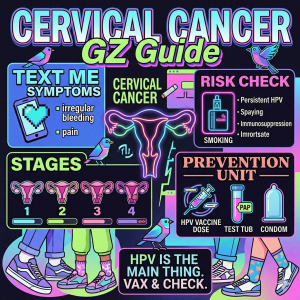
Cervical cancer develops in the cells of the cervix, which is the lower part of the uterus connecting to the vagina. Most cases of cervical cancer are linked to persistent infection with certain types of the human papillomavirus (HPV), a common sexually transmitted infection.
In the early stages, cervical cancer may not cause noticeable symptoms, making regular screening essential for early detection. Learn more
What Is Cervical Cancer Screening?
Cervical cancer screening involves medical tests used to detect abnormal cells or early signs of cancer in the cervix. The two most common screening tests are:
- Pap smear (Pap test): Detects abnormal cervical cells that may become cancerous
- HPV test: Detects high-risk types of HPV linked to cervical cancer
These tests can identify problems before cancer develops, allowing for early treatment and prevention.
Why Cervical Cancer Screening Is Important
1. Detects Abnormal Cells Early
One of the biggest benefits of cervical cancer screening is the ability to detect abnormal cervical cells before they turn into cancer. Early treatment of these abnormal changes can prevent cancer from developing altogether.
2. Increases Chances of Successful Treatment
When cervical cancer is detected early, treatment is usually more effective and survival rates are significantly higher. Early-stage cervical cancer is often easier to treat than advanced cancer.
3. Helps Prevent Cervical Cancer
Screening does not only detect cancer, it also helps prevent it. Identifying and treating precancerous cells can stop the disease before it becomes life-threatening.
4. Reduces Cervical Cancer Death Rates
Regular screening programs have helped reduce cervical cancer deaths in many countries. Women who attend routine screenings are more likely to detect issues early and receive timely medical care.
5. Supports Overall Reproductive Health
Cervical screening appointments also provide opportunities for women to discuss reproductive health concerns, menstrual issues, infections, and other gynecological problems with healthcare professionals.
Who Should Get Screened?
Screening recommendations may vary depending on age and health guidelines, but in general:
- Women should begin cervical cancer screening in early adulthood
- Regular Pap smears and HPV tests are recommended based on age and risk factors
- Women with weakened immune systems or a history of abnormal results may require more frequent screening
It is important to follow medical advice and local healthcare recommendations regarding screening schedules.
Risk Factors for Cervical Cancer
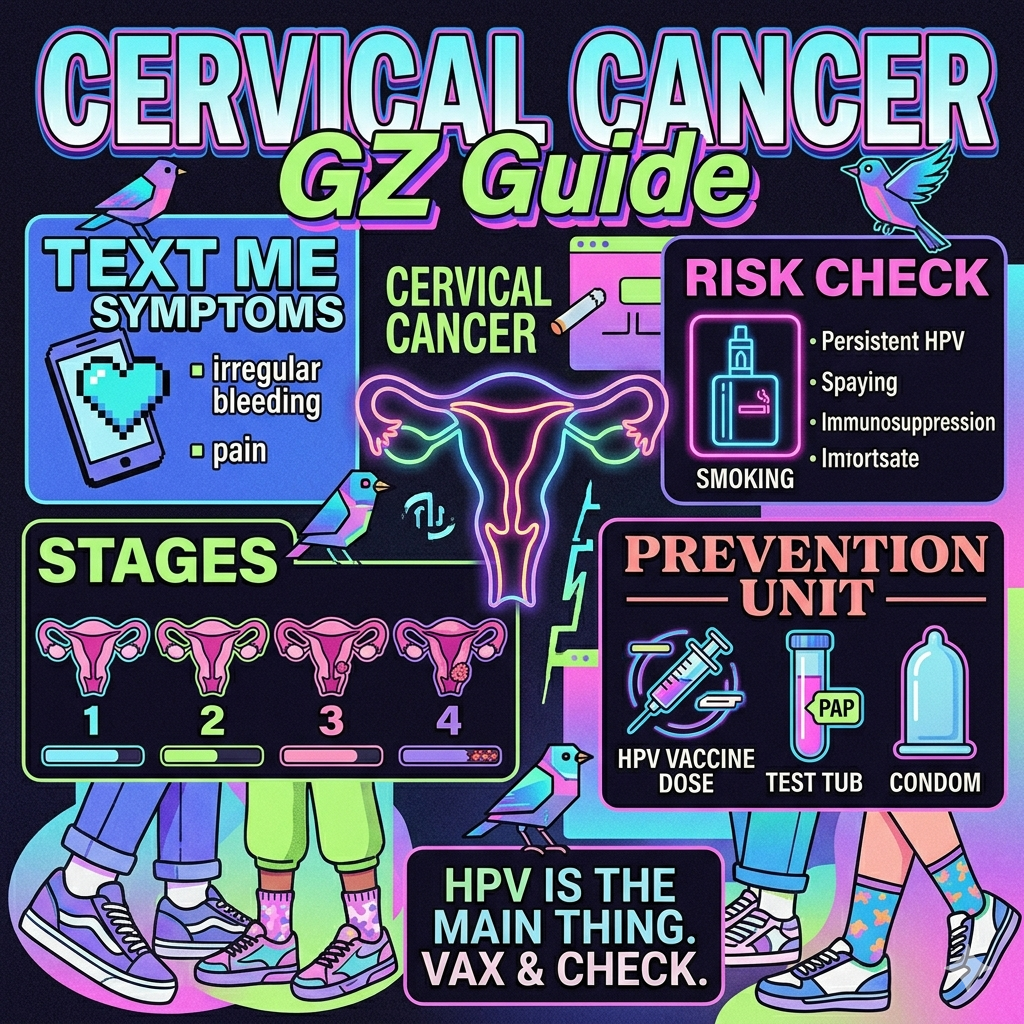
Several factors may increase the risk of developing cervical cancer, including:
- HPV infection
- Smoking
- Multiple sexual partners
- Weak immune system
- Early sexual activity
- Lack of regular screening
- Long-term use of oral contraceptives
Understanding these risk factors can encourage women to prioritize preventive healthcare.
Symptoms of Cervical Cancer
Early cervical cancer often has no symptoms. However, advanced stages may cause:
- Abnormal vaginal bleeding
- Bleeding after intercourse
- Pelvic pain
- Pain during intercourse
- Unusual vaginal discharge
Women experiencing these symptoms should seek medical attention immediately.
How to Reduce the Risk of Cervical Cancer
1. Attend Regular Screenings
Routine cervical screening remains one of the most effective ways to prevent cervical cancer.
2. Get the HPV Vaccine
HPV vaccination helps protect against high-risk HPV types responsible for most cervical cancer cases.
3. Practice Safe Sex
Using protection and reducing exposure to sexually transmitted infections can lower HPV risk.
4. Avoid Smoking
Smoking weakens the immune system and increases the risk of cervical cancer.
5. Maintain a Healthy Lifestyle
A balanced diet, regular exercise, and proper healthcare support overall immune and reproductive health.
Overcoming Fear and Misconceptions
Some women avoid cervical screening because of fear, embarrassment, or misinformation. However, screening procedures are usually quick, safe, and performed by trained healthcare professionals.
Understanding that early detection can save lives may encourage more women to prioritize regular checkups.
Read: Common Causes of Infertility in Women
Conclusion
Cervical cancer screening is a vital part of women’s healthcare. Regular Pap smears and HPV tests can detect abnormal changes early, prevent cervical cancer, and improve treatment outcomes.
By attending routine screenings, getting vaccinated against HPV, and maintaining healthy lifestyle habits, women can significantly reduce their risk of cervical cancer and protect their long-term health. Early detection truly saves lives.