Common Causes of Infertility in Women
Infertility is a common health concern that affects many women around the world. It is generally defined as the inability to become pregnant after one year of regular, unprotected sexual intercourse. For women over the age of 35, infertility may be considered after six months of trying to conceive.
Female infertility can result from various medical, hormonal, lifestyle, or age-related factors. Understanding the common causes of infertility is important for early diagnosis, proper treatment, and improved reproductive health.
1. Ovulation Disorders
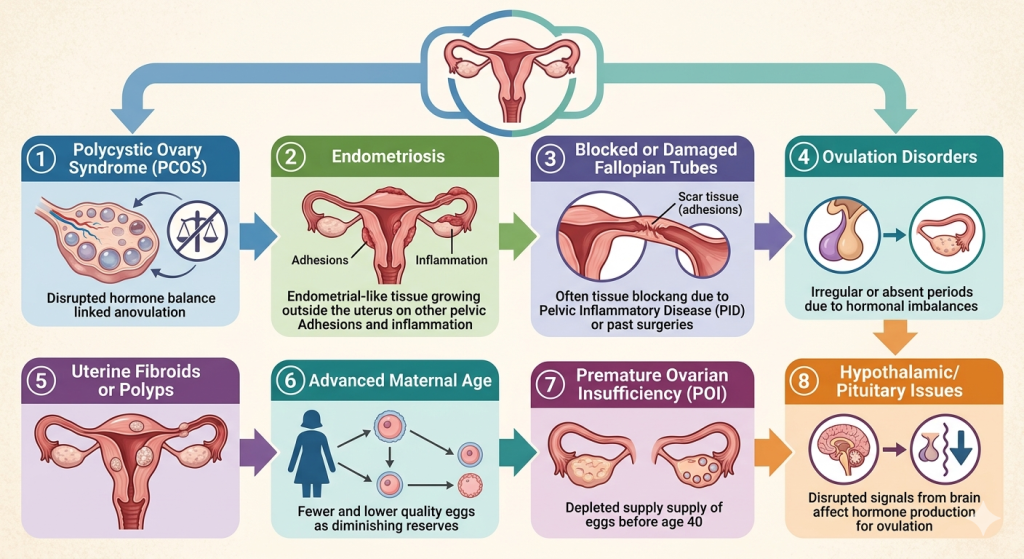
Ovulation disorders are among the leading causes of infertility in women. Ovulation is the process where the ovaries release an egg each month. When ovulation becomes irregular or stops completely, conception becomes difficult.
Common conditions linked to ovulation problems include:
- Polycystic ovary syndrome (PCOS)
- Hormonal imbalances
- Thyroid disorders
- Excessive stress
- Poor nutrition
Women with ovulation disorders may experience irregular menstrual cycles, missed periods, or abnormal bleeding. Learn more
2. Polycystic Ovary Syndrome (PCOS)
PCOS is a hormonal condition that affects how the ovaries function. Women with PCOS may produce excess male hormones, leading to irregular ovulation or the absence of ovulation.
Symptoms of PCOS may include:
- Irregular periods
- Weight gain
- Acne
- Excess facial or body hair
- Difficulty getting pregnant
PCOS is one of the most common causes of infertility but can often be managed through lifestyle changes and medical treatment.
3. Age-Related Fertility Decline
A woman’s fertility naturally decreases with age, especially after the age of 35. As women grow older, both the number and quality of eggs decline, making pregnancy more difficult.
Advanced maternal age can also increase the risk of miscarriage and pregnancy complications.
4. Blocked Fallopian Tubes
The fallopian tubes carry eggs from the ovaries to the uterus. If these tubes become blocked or damaged, fertilization may not occur.
Blocked fallopian tubes can result from:
- Pelvic inflammatory disease (PID)
- Sexually transmitted infections (STIs)
- Previous surgeries
- Endometriosis
In some cases, women may not notice symptoms until they experience difficulty conceiving.
5. Endometriosis
Endometriosis occurs when tissue similar to the lining of the uterus grows outside the uterus. This condition can affect the ovaries, fallopian tubes, and other pelvic organs.
Common symptoms include:
- Severe menstrual pain
- Pain during intercourse
- Heavy periods
- Chronic pelvic pain
- Infertility
Endometriosis can interfere with egg release, fertilization, and implantation.
6. Uterine or Cervical Problems
Structural problems involving the uterus or cervix may contribute to infertility. Examples include:
- Uterine fibroids
- Polyps
- Congenital abnormalities
- Scar tissue in the uterus
These conditions can affect implantation or increase the risk of miscarriage.
7. Hormonal Imbalances
Hormones play a major role in regulating the reproductive system. Imbalances involving estrogen, progesterone, thyroid hormones, or prolactin can affect ovulation and fertility.
Hormonal disorders may be caused by:
- Thyroid disease
- Diabetes
- Extreme stress
- Obesity
- Pituitary gland disorders
8. Lifestyle Factors
Certain lifestyle habits can negatively affect fertility in women. These include:
- Smoking
- Excessive alcohol consumption
- Poor diet
- Obesity
- Lack of physical activity
- Drug abuse
- Chronic stress
Maintaining a healthy lifestyle can improve fertility and overall reproductive health.
9. Sexually Transmitted Infections (STIs)
Untreated STIs such as chlamydia and gonorrhea can damage the reproductive organs and lead to infertility. Early detection and treatment are important in preventing complications.
Practicing safe sex and having regular health screenings can reduce the risk of reproductive infections.
10. Unexplained Infertility
In some cases, doctors may not identify a specific cause of infertility despite medical testing. This is known as unexplained infertility.
Although frustrating, many women with unexplained infertility can still achieve pregnancy with proper medical guidance and fertility treatments.
When to See a Doctor
Women should consider seeking medical advice if they:
- Have been trying to conceive for over a year
- Are over 35 and unable to conceive after six months
- Experience irregular or absent periods
- Have severe menstrual pain
- Have a history of pelvic infections or miscarriages
Early diagnosis can improve treatment success and reproductive outcomes.
Tips for Supporting Fertility
- Maintain a healthy body weight
- Eat a balanced diet
- Exercise regularly
- Avoid smoking and excessive alcohol
- Manage stress levels
- Get regular medical checkups
- Treat underlying health conditions promptly
Read: How Outdoor Activities Improve Physical and Mental Health
Conclusion
Female infertility can result from many different causes, including ovulation disorders, hormonal imbalances, age, blocked fallopian tubes, endometriosis, and unhealthy lifestyle habits. Understanding these causes is essential for early intervention and effective treatment.
With proper medical care, healthy lifestyle choices, and timely support, many women facing infertility can improve their chances of achieving a healthy pregnancy.