The Growing Impact of Autoimmune Diseases on Global Health

Autoimmune diseases are becoming an increasingly important global health concern, affecting millions of people across different age groups and populations. These conditions occur when the body’s immune system mistakenly attacks healthy tissues and organs, leading to chronic inflammation, pain, and long-term health complications. While medical advances have improved diagnosis and treatment, the number of autoimmune disease cases continues to rise worldwide.
From rheumatoid arthritis and lupus to multiple sclerosis and type 1 diabetes, autoimmune diseases can affect nearly every part of the body. Their growing prevalence is placing pressure on healthcare systems, reducing quality of life for patients, and increasing healthcare costs globally. Understanding the causes, symptoms, and broader impact of autoimmune diseases is essential for improving prevention, treatment, and public awareness.
What Are Autoimmune Diseases?
The immune system normally protects the body from harmful bacteria, viruses, and infections. In autoimmune diseases, however, the immune system becomes overactive and attacks healthy cells by mistake.
There are more than 80 recognized autoimmune diseases, and they may affect:
- Joints
- Skin
- Muscles
- Nerves
- Blood vessels
- Digestive organs
- Endocrine glands
Some autoimmune diseases target a single organ, while others affect multiple body systems simultaneously. Learn more
Common Types of Autoimmune Diseases
Several autoimmune diseases are becoming more common worldwide.
1. Rheumatoid Arthritis
This condition mainly affects the joints, causing pain, swelling, stiffness, and reduced mobility.
2. Lupus
Lupus can affect the skin, joints, kidneys, heart, lungs, and brain, leading to widespread inflammation.
3. Type 1 Diabetes
Type 1 diabetes occurs when the immune system attacks insulin-producing cells in the pancreas.
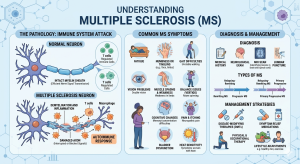
4. Multiple Sclerosis (MS)
MS affects the nervous system by damaging the protective covering of nerves, leading to movement and coordination problems.
5. Psoriasis
Psoriasis is a skin-related autoimmune condition that causes red, scaly patches on the skin.
6. Celiac Disease
This digestive disorder occurs when the immune system reacts abnormally to gluten consumption.
Why Autoimmune Diseases Are Increasing
Researchers continue to study why autoimmune diseases are becoming more common. Several factors may contribute to the rise.
1. Environmental Changes
Pollution, chemical exposure, and environmental toxins may affect immune system function and increase autoimmune risks.
2. Lifestyle Factors
Modern lifestyle habits such as:
- Poor diet
- Physical inactivity
- Chronic stress
- Smoking
- Lack of sleep
may influence immune system imbalance and inflammation.
3. Improved Diagnosis
Advances in medical technology and awareness have improved the ability to detect autoimmune diseases earlier than before.
4. Genetic Factors
Family history can increase susceptibility to autoimmune conditions. Certain genes may raise the risk of abnormal immune responses.
5. Infections and Viruses
Some infections may trigger autoimmune reactions in genetically susceptible individuals.
Symptoms of Autoimmune Diseases
Symptoms vary depending on the condition and organs involved, but common signs include:
- Chronic fatigue
- Joint pain and swelling
- Muscle weakness
- Skin rashes
- Digestive problems
- Fever
- Numbness or tingling
- Hair loss
- Difficulty concentrating
- Unexplained weight changes
Because symptoms overlap with many other illnesses, diagnosis can sometimes be delayed.
The Global Health Impact of Autoimmune Diseases
Autoimmune diseases are creating significant challenges for healthcare systems worldwide.
Rising Healthcare Costs
Long-term treatment, medications, specialist care, and hospital visits increase healthcare spending substantially.
Many autoimmune diseases require lifelong management, making them financially demanding for patients and healthcare providers.
Reduced Quality of Life
Chronic pain, fatigue, and physical limitations can interfere with:
- Employment
- Education
- Social activities
- Mental wellbeing
Patients often experience emotional stress, anxiety, and depression alongside physical symptoms.
Increased Disability Rates
Some autoimmune diseases may lead to permanent organ damage or disability if untreated. Severe cases can affect mobility, vision, kidney function, or neurological health.
Burden on Healthcare Systems
The growing number of autoimmune disease cases increases demand for:
- Specialists
- Diagnostic testing
- Long-term medications
- Rehabilitation services
Healthcare systems in many countries are facing increasing pressure to provide adequate autoimmune care.
Autoimmune Diseases and Women’s Health
Women are disproportionately affected by autoimmune diseases. Hormonal factors may play a role in immune system activity.
Conditions such as:
- Lupus
- Rheumatoid arthritis
- Thyroid autoimmune disorders
are significantly more common in women than men.
Autoimmune diseases may also affect pregnancy, fertility, and maternal health.
Mental Health and Autoimmune Diseases
Living with chronic autoimmune conditions can impact mental health significantly. Many patients experience:
- Depression
- Anxiety
- Emotional exhaustion
- Social isolation
The unpredictable nature of flare-ups may create additional psychological stress.
Mental health support is therefore an important part of autoimmune disease management.
Diagnosis and Early Detection
Early diagnosis can help reduce complications and improve long-term outcomes.
Doctors may use:
- Blood tests
- Imaging scans
- Physical examinations
- Antibody testing
- Organ function assessments
Because autoimmune diseases vary widely, diagnosis often requires multiple tests and specialist evaluations.
Treatment and Management Options
Although most autoimmune diseases currently have no permanent cure, treatments can help control symptoms and reduce immune system attacks.
1. Medications
Common treatments include:
- Anti-inflammatory drugs
- Corticosteroids
- Immunosuppressants
- Biologic therapies
2. Healthy Lifestyle Habits
Lifestyle improvements can support immune balance and overall health.
Helpful habits include:
- Balanced nutrition
- Regular exercise
- Stress management
- Quality sleep
- Avoiding smoking
3. Routine Medical Monitoring
Regular medical care helps track disease progression and prevent complications.
The Future of Autoimmune Disease Research
Medical researchers continue to explore:
- Genetic causes
- Immune system behavior
- Personalized treatments
- Advanced biologic therapies
- Stem cell research
Advances in medical science may lead to better prevention strategies and more effective treatments in the future.
Read: Understanding Lupus: Symptoms, Diagnosis, and Management
Conclusion
Autoimmune diseases are becoming a major global health challenge, affecting millions of people physically, emotionally, and financially. Conditions such as lupus, rheumatoid arthritis, multiple sclerosis, and type 1 diabetes continue to rise worldwide due to a combination of genetic, environmental, and lifestyle factors.
Early diagnosis, proper medical treatment, healthy lifestyle choices, and increased public awareness are essential for reducing complications and improving quality of life. As research continues to advance, better understanding and management of autoimmune diseases may help reduce their growing impact on global health systems and communities.