Asthma Triggers and Effective Ways to Manage Symptoms
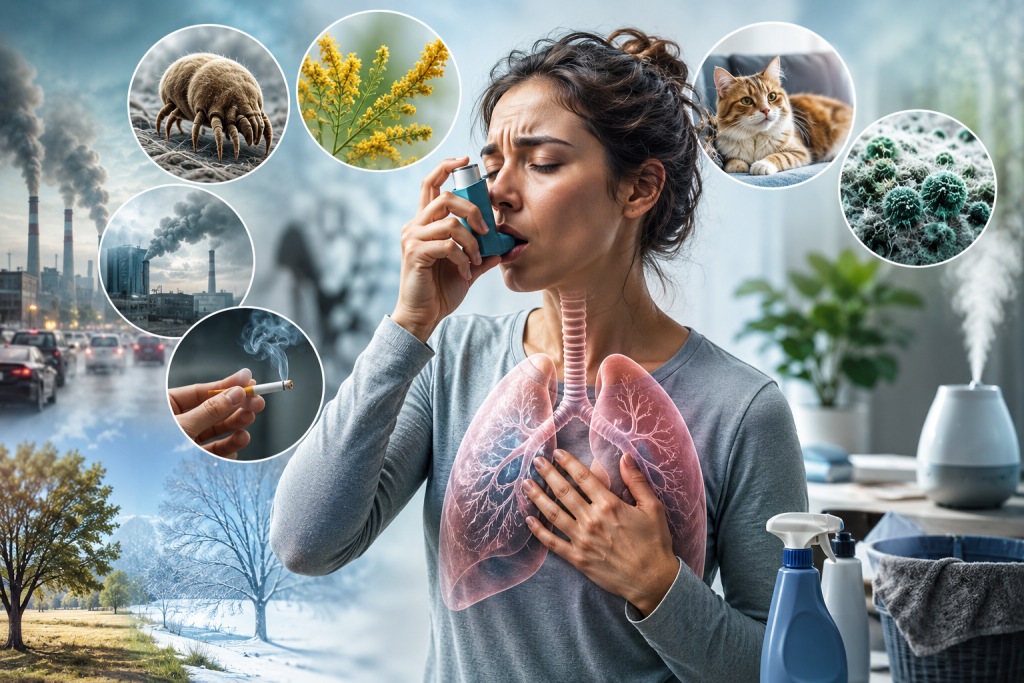
Asthma is a chronic respiratory condition that affects millions of people worldwide. It causes inflammation and narrowing of the airways, making breathing difficult. People with asthma may experience coughing, wheezing, chest tightness, and shortness of breath, especially during asthma attacks. Although asthma cannot always be cured, proper management and awareness of triggers can help individuals live healthy and active lives.
Understanding what causes asthma symptoms to worsen is one of the most important steps in controlling the condition. Different people may react to different triggers, which is why identifying and avoiding personal triggers plays a major role in asthma care.
What Is Asthma?
Asthma is a long-term disease that affects the lungs and airways. During an asthma episode, the muscles around the airways tighten, the airway lining becomes swollen, and mucus production increases. This combination makes it harder for air to move in and out of the lungs.
Asthma symptoms can range from mild to severe and may occur occasionally or frequently depending on the individual’s condition and exposure to triggers. Learn more
Common Symptoms of Asthma
People with asthma often experience:
- Wheezing or whistling sounds while breathing
- Shortness of breath
- Chest tightness or pressure
- Persistent coughing, especially at night
- Difficulty breathing during exercise
- Increased mucus production
Severe asthma attacks can become life-threatening if not treated quickly.
Common Asthma Triggers
Asthma triggers are substances, conditions, or activities that can worsen asthma symptoms or cause attacks.
1. Air Pollution
Polluted air from vehicles, factories, smoke, and dust can irritate the airways and trigger asthma symptoms. Urban areas with high pollution levels often increase the risk of respiratory problems.
2. Allergens
Many asthma patients are sensitive to allergens such as:
- Pollen
- Dust mites
- Pet dander
- Mold
- Cockroach particles
Exposure to these allergens may quickly trigger breathing difficulties.
3. Cigarette Smoke
Smoking and secondhand smoke are major asthma triggers. Tobacco smoke irritates the lungs and increases airway inflammation, making symptoms worse.
Children exposed to cigarette smoke are also at a higher risk of developing asthma-related complications.
4. Respiratory Infections
Cold, flu, and other respiratory infections can worsen asthma symptoms. Viral infections often cause airway inflammation that may lead to asthma attacks.
5. Physical Activity
Exercise-induced asthma affects some individuals during intense physical activity, especially in cold or dry weather. Symptoms may include coughing, wheezing, and shortness of breath during or after exercise.
6. Weather Changes
Sudden temperature shifts, cold air, humidity, and thunderstorms can trigger asthma symptoms in sensitive individuals.
7. Stress and Strong Emotions
Stress, anxiety, and emotional reactions may contribute to breathing difficulties in some asthma patients. Emotional stress can tighten chest muscles and worsen symptoms.
Effective Ways to Manage Asthma Symptoms
Managing asthma requires a combination of medication, lifestyle changes, and trigger control.
1. Follow a Treatment Plan
Doctors often provide asthma action plans that explain:
- Daily medication use
- How to recognize worsening symptoms
- Emergency steps during asthma attacks
Following the prescribed plan carefully is essential for long-term asthma control.
2. Use Inhalers Correctly
Asthma inhalers help open airways and reduce inflammation. There are two common types:
Reliever Inhalers
These provide quick relief during asthma attacks.
Preventive Inhalers
These are used daily to reduce airway inflammation and prevent symptoms.
Using inhalers properly ensures the medication reaches the lungs effectively.
3. Avoid Known Triggers
Reducing exposure to triggers is one of the best ways to prevent asthma flare-ups.
Helpful steps include:
- Keeping homes dust-free
- Using air purifiers
- Avoiding smoking environments
- Keeping pets out of bedrooms
- Monitoring outdoor air quality
4. Maintain Good Indoor Air Quality
Indoor air quality greatly affects asthma symptoms. Proper ventilation and regular cleaning can reduce exposure to allergens and irritants.
Tips include:
- Washing bedding frequently
- Controlling mold growth
- Avoiding strong chemical sprays
- Using hypoallergenic products
5. Stay Physically Active Safely
Exercise is important for overall health and lung function. People with asthma should:
- Warm up before exercising
- Carry inhalers if recommended
- Avoid exercising in polluted or cold environments
Low-impact exercises like walking, swimming, and yoga are often beneficial.
6. Get Vaccinated
Vaccinations against flu and pneumonia can help reduce respiratory infections that may trigger asthma attacks.
7. Manage Stress Levels
Stress management techniques may help improve breathing control and overall wellbeing.
Helpful methods include:
- Deep breathing exercises
- Meditation
- Yoga
- Adequate sleep
- Relaxation techniques
When to Seek Emergency Medical Help
Immediate medical attention may be necessary if a person experiences:
- Severe shortness of breath
- Blue lips or fingernails
- Difficulty speaking
- Rapid worsening of symptoms
- No improvement after using a rescue inhaler
Quick treatment during severe asthma attacks can save lives.
Living Well With Asthma
Many people with asthma successfully live normal and active lives. Proper treatment, regular medical checkups, and awareness of triggers can significantly improve quality of life.
Technology has also improved asthma management through:
- Smart inhalers
- Mobile health apps
- Air quality monitoring tools
- Personalized treatment plans
With the right care, asthma symptoms can often be controlled effectively.
Read: Smart Casual Fashion Tips for Work and Social Events
Conclusion
Asthma is a chronic respiratory condition that requires careful management and awareness of triggers. Common triggers such as air pollution, allergens, cigarette smoke, infections, and stress can worsen symptoms and increase the risk of asthma attacks.
Fortunately, effective symptom management strategies including medication, avoiding triggers, maintaining healthy indoor air, and following a treatment plan can help individuals breathe easier and live healthier lives. Early diagnosis and proper asthma care remain essential for preventing complications and improving long-term respiratory health.