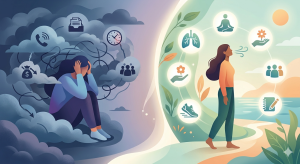
Breaking the Stigma: Why Asking for Help is a Strength

For too long, society has viewed mental health struggles through a lens of silence and shame. However, the narrative is shifting. We are beginning to understand that seeking support isn’t an admission of defeat, it is a proactive step toward resilience and mastery over one’s life.
The Myth of “Going It Alone”
One of the most persistent cultural myths is that strength equals self-sufficiency. We often praise the “rugged individual” who handles every crisis without assistance. In reality, humans are biologically wired for connection and community.
- Emotional Courage: It takes far more courage to be vulnerable and admit you are struggling than it does to mask your pain behind a “fine” facade.
- Resource Management: Just as a professional athlete uses coaches and therapists to reach peak performance, high-functioning individuals use mental health professionals to optimize their emotional and cognitive health.
Why the Stigma Persists
To break the stigma, we must first understand its roots:
- Lack of Education: Many people still view mental health as a “character flaw” rather than a complex interplay of biology, environment, and life experiences.
- Cultural Labels: In many communities, discussing mental health is seen as a sign of weakness or a betrayal of family privacy.
- Media Misrepresentation: Historical depictions of mental illness in film and news have often focused on extreme cases, ignoring the millions of people who successfully manage their mental health while leading productive lives.
The Benefits of Reaching Out
When you choose to ask for help whether from a friend, a support group, or a licensed therapist you unlock several key benefits:
- Objective Perspective: A professional can help you identify cognitive distortions (negative thought patterns) that you might be too close to see yourself.
- Neurological Relief: The act of “labeling” emotions putting words to what you feel has been shown to reduce activity in the amygdala, the brain’s fear center.
- Empowerment through Tools: Therapy provides a “toolkit” of coping mechanisms, such as stress management techniques and communication skills, that serve you for a lifetime.
How to Start the Conversation
If you’re ready to seek support but don’t know how to begin, consider these small steps:
- Talk to a Trusted Peer: Sometimes just saying “I’ve been having a hard time lately” to a friend can break the ice.
- Consult Your Primary Doctor: Your regular physician is often the best first point of contact for a referral to a specialist.
- Utilize Anonymous Resources: Helplines and online support forums can provide a safe, low-pressure way to start expressing your feelings.
Final Thought
Your mental health is just as important as your physical health. You wouldn’t try to set a broken bone by yourself; you shouldn’t feel obligated to navigate a period of mental or emotional distress alone. By asking for help, you aren’t just helping yourself you are helping to pave the way for others to do the same.
Strength isn’t found in carrying the world on your shoulders; it’s found in knowing when to ask for a hand.