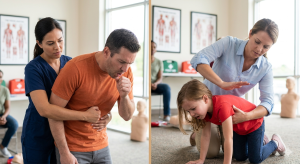
How to Handle a Heart Attack Before Help Arrives

A heart attack is a life-threatening emergency that happens when blood flow to part of the heart is suddenly blocked. Knowing how to handle a heart attack before help arrives can significantly increase survival chances and reduce heart damage. Quick, calm, and correct action is critical during those first few minutes.
Recognizing a Heart Attack Early
The first step in responding to a heart attack is identifying the symptoms. Not all heart attacks look the same, but common warning signs include:
- Chest pain or pressure (feeling like squeezing or heaviness)
- Pain spreading to the arm, jaw, neck, or back
- Shortness of breath
- Cold sweats
- Nausea or vomiting
- Lightheadedness or dizziness
- Unusual fatigue
Some people, especially women and older adults, may experience milder or less typical symptoms such as indigestion-like discomfort or shortness of breath without chest pain. Learn more
Step 1: Call Emergency Services Immediately
As soon as a heart attack is suspected:
- Call your local emergency number right away (e.g., 112 or 911 depending on location)
- Do not wait to see if symptoms go away
- Clearly explain the symptoms and location
Emergency medical services can begin treatment on the way to the hospital, which is often life-saving.
Step 2: Keep the Person Calm and Still
Stress increases the heart’s workload, which can worsen the situation.
- Help the person sit down in a comfortable position
- Keep them calm and reassured
- Avoid unnecessary movement or walking
A semi-reclined position may help ease breathing.
Step 3: Loosen Tight Clothing
Remove or loosen anything that may restrict breathing or circulation, such as:
- Tight collars
- Belts
- Neck ties
- Tight waistbands
This helps the person breathe more easily.
Step 4: Give Aspirin (If Appropriate)
If the person is conscious and not allergic, aspirin may help slow blood clotting.
- Recommended dose: one regular adult aspirin (325 mg) or four low-dose tablets (81 mg each)
- Ask the person to chew it slowly for faster absorption
- Do NOT give aspirin if the person is allergic or advised not to take it by a doctor
Step 5: Monitor Breathing and Responsiveness
Stay with the person and watch closely:
- Check if they are breathing normally
- Observe for loss of consciousness
- Be ready to perform CPR if necessary
If the person becomes unresponsive and stops breathing normally, begin CPR immediately.
Step 6: Perform CPR if Needed
If the person collapses and is not breathing:
- Call emergency services again if not already done
- Start chest compressions immediately
- Push hard and fast in the center of the chest (about 100–120 compressions per minute)
- Continue until help arrives or the person regains consciousness
If an Automated External Defibrillator (AED) is available, use it as soon as possible.
What NOT to Do During a Heart Attack
Avoid actions that may worsen the situation:
- Do not allow the person to drive themselves to the hospital
- Do not delay calling emergency services
- Do not give food or drink
- Do not ignore symptoms, even if they improve
Why Quick Action Matters
During a heart attack, every minute counts. The longer the heart is deprived of oxygen, the greater the risk of:
- Permanent heart damage
- Cardiac arrest
- Death
Immediate action can double or even triple survival chances.
How to Reduce Future Risk
While emergencies cannot always be predicted, heart attack risk can be reduced through:
- Healthy diet (low salt, low saturated fats)
- Regular exercise
- Avoiding smoking
- Managing stress
- Controlling blood pressure and cholesterol
- Routine medical checkups
Read: How Lifestyle Choices Can Increase or Reduce Cancer Risk
Final Thoughts
Knowing how to handle a heart attack before help arrives can save a life, possibly someone you love. Recognizing symptoms early, calling emergency services quickly, and taking immediate supportive actions such as CPR or aspirin (when appropriate) are crucial steps.
Preparedness is powerful. The faster you act, the higher the chance of survival and recovery.