How Lifestyle Choices Can Increase or Reduce Cancer Risk
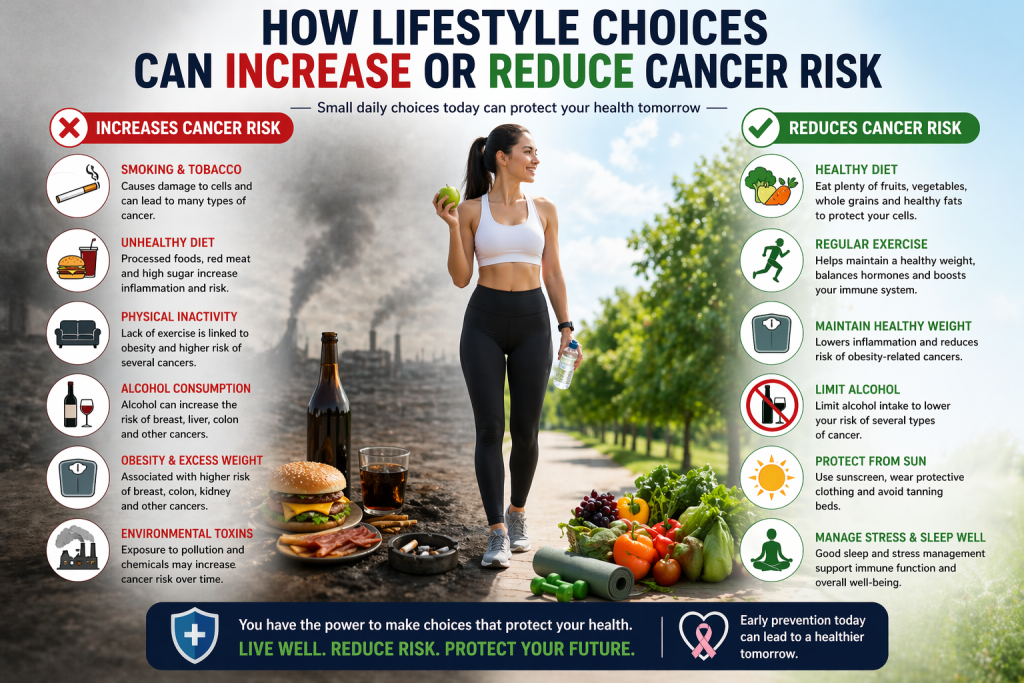
How lifestyle choices can increase or reduce cancer risk is an important topic because many people assume cancer is caused only by genetics. While family history can play a role, research shows that daily habits have a major influence on the likelihood of developing many types of cancer. The food people eat, their physical activity level, alcohol use, smoking habits, and exposure to environmental toxins can either raise or lower the chances of cancer over time.
Understanding how everyday decisions affect long-term health can help people make smarter choices that support cancer prevention and overall wellness.
Understanding Cancer Risk Factors
Cancer develops when abnormal cells grow uncontrollably in the body. Some risk factors cannot be changed, such as:
- Age
- Family history
- Certain inherited genes
- Previous medical treatments
However, many risk factors are linked to lifestyle and can be modified. Learn more
According to health experts, a significant percentage of cancer cases may be prevented by healthier living habits. Small changes made consistently can reduce risk over a lifetime.
Smoking and Tobacco Use
Smoking remains one of the leading preventable causes of cancer worldwide. Tobacco contains harmful chemicals that damage DNA and trigger abnormal cell growth.
Cancers Linked to Smoking
Smoking increases the risk of:
- Lung cancer
- Mouth cancer
- Throat cancer
- Bladder cancer
- Kidney cancer
- Pancreatic cancer
Even secondhand smoke can increase cancer risk in non-smokers.
How to Reduce Risk
- Quit smoking completely
- Avoid secondhand smoke
- Seek support programs if needed
- Replace smoking with healthier stress relief habits
Stopping tobacco use at any age can lower future cancer risk.
Diet and Cancer Risk
What people eat can significantly affect inflammation, hormone balance, and cell health.
Foods That May Increase Cancer Risk
Some dietary habits linked to higher risk include:
- Processed meats
- Excess red meat
- Sugary drinks
- Highly processed foods
- Excess fried foods
These foods may contribute to obesity and chronic inflammation, both of which are associated with cancer development.
Foods That May Lower Cancer Risk
Protective foods include:
- Fruits
- Vegetables
- Whole grains
- Nuts
- Legumes
- Healthy fats
Plant-based foods contain antioxidants that help protect cells from damage.
Physical Inactivity
A sedentary lifestyle can increase the risk of several cancers.
Cancers Associated with Inactivity
Lack of movement may raise the risk of:
- Colon cancer
- Breast cancer
- Endometrial cancer
Exercise helps regulate:
- Hormones
- Body weight
- Insulin levels
- Immune function
Recommended Activity
Adults should aim for:
- 150 minutes of moderate exercise weekly
or - 75 minutes of vigorous exercise weekly
Regular movement supports cancer prevention and better overall health.
Obesity and Excess Body Weight
Being overweight is strongly connected to several types of cancer.
Cancers Linked to Obesity
Excess weight may increase risk for:
- Breast cancer
- Colon cancer
- Liver cancer
- Kidney cancer
- Esophageal cancer
Fat tissue can produce hormones and inflammatory substances that encourage abnormal cell growth.
How Weight Management Helps
Maintaining a healthy weight can:
- Reduce inflammation
- Balance hormones
- Improve immune defense
- Lower chronic disease risk
Even modest weight loss can improve long-term health.
Alcohol Consumption
Many people do not realize alcohol is a known cancer risk factor.
Cancers Linked to Alcohol
Alcohol can increase the risk of:
- Breast cancer
- Liver cancer
- Colon cancer
- Mouth cancer
- Throat cancer
Alcohol can damage tissues and interfere with the body’s ability to repair cells.
Lowering the Risk
To reduce cancer risk:
- Limit alcohol intake
- Avoid binge drinking
- Choose alcohol-free days each week
Less alcohol often means lower long-term risk.
Sun Exposure and Skin Cancer
Too much ultraviolet (UV) exposure can damage skin cells and lead to skin cancer.
Risk Factors
Higher risk comes from:
- Frequent sunburns
- Indoor tanning
- Prolonged sun exposure
- Lack of sunscreen
Protection Tips
Reduce skin cancer risk by:
- Wearing sunscreen daily
- Using protective clothing
- Avoiding midday sun
- Skipping tanning beds
Protecting the skin early can prevent damage later.
Sleep and Stress
Poor sleep and chronic stress may also affect cancer risk indirectly.
Why It Matters
Lack of sleep can:
- Weaken the immune system
- Increase inflammation
- Disrupt hormones
Chronic stress can lead to unhealthy coping behaviors like:
- Smoking
- Overeating
- Excess drinking
Managing stress supports healthier decisions.
Healthy Stress Management
Helpful methods include:
- Meditation
- Exercise
- Deep breathing
- Counseling
- Better sleep routines
Environmental Exposure
Certain environmental toxins can raise cancer risk.
Common Sources
Exposure may come from:
- Air pollution
- Workplace chemicals
- Household toxins
- Pesticides
Risk Reduction
To reduce exposure:
- Avoid unnecessary chemicals
- Improve ventilation
- Wear protective equipment
- Choose safer household products
Reducing harmful exposure can protect long-term health.
Preventive Health Screenings Matter
Healthy living should be combined with regular cancer screenings.
Examples include:
- Mammograms
- Colon cancer screening
- Skin checks
- Pap smears
- Prostate exams
Early detection often improves treatment success.
Practical Ways to Reduce Cancer Risk
Simple lifestyle improvements can make a difference:
- Stop smoking
- Eat more plant-based foods
- Exercise regularly
- Maintain healthy weight
- Limit alcohol
- Protect skin from sun
- Sleep well
- Manage stress
- Get routine screenings
Consistency matters more than perfection.
Read: Preventive Health Screenings Every Young Adult Should Know About
Final Thoughts
How lifestyle choices can increase or reduce cancer risk highlights the powerful connection between everyday habits and long-term health. While not every cancer can be prevented, many cases may be influenced by healthier decisions.
Choosing better nutrition, regular exercise, tobacco avoidance, and preventive care can significantly lower the risk of cancer while improving quality of life. The choices made today can help shape a healthier future tomorrow.