Vegetables You Should Never Peel: 5 Powerful Picks
Vegetables you should never peel if you want to get the most out of your food. The skin of many vegetables holds a large share of fiber, antioxidants, and vitamins that are often lost when you peel them away. If your goal is better digestion, stronger immunity, and more nutrient-dense meals, this simple habit change can make a real difference.
This guide breaks down the vegetables you should never peel, why their skins matter, and how the unpeeled vegetables health benefits can improve your daily diet.
Why Vegetables You Should Never Peel Matter
The skin of vegetables is not just a protective layer. It often contains concentrated nutrients that support gut health, heart health, and immunity. When you remove it, you may also remove a big part of the nutrition.
The idea behind vegetables you should never peel is simple: eat the whole vegetable whenever it is safe and clean to do so. In many cases, the peel has more fiber than the flesh itself, which supports digestion and helps you feel full longer.
You can read more about fiber benefits here.
1. Potatoes (Yes, Keep the Skin On)
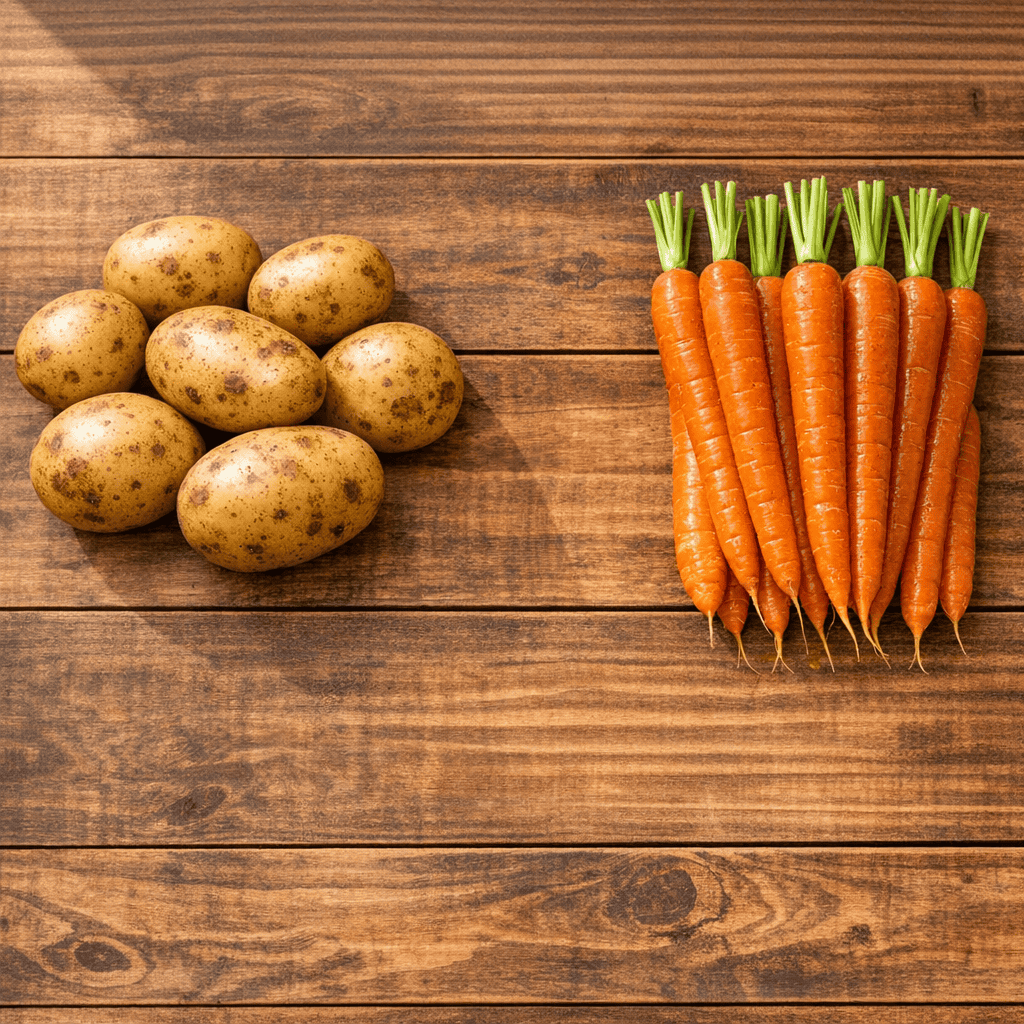
Potatoes are one of the best examples of vegetables you should never peel. The skin contains fiber, potassium, iron, and antioxidants that support energy and digestion.
When you remove the skin, you lose a significant portion of the nutrient value. Baking or boiling potatoes with the skin on keeps more of their natural benefits intact.
Why potato skins matter:
- High in fiber for digestion
- Rich in potassium for heart health
- Contains antioxidants that fight inflammation
The unpeeled vegetables health benefits of potatoes are often underestimated, especially in home cooking.
2. Carrots (More Nutrition in the Skin Than You Think)
Carrots are commonly peeled, but they are actually one of the key vegetables you should never peel unless absolutely necessary. The outer layer contains additional phytonutrients that support eye health and immune function.
Instead of peeling, simply wash them thoroughly.
Benefits of unpeeled carrots:
- Higher antioxidant content
- Better fiber retention
- Supports skin and eye health
Keeping carrots unpeeled strengthens the idea of unpeeled vegetables health benefits in everyday meals.
3. Cucumbers (Skin Packed With Fiber and Vitamin K)
Cucumbers are another top example of vegetables you should never peel. The skin is rich in fiber and contains vitamin K, which supports bone health and blood function.
Peeling cucumbers removes much of their nutritional value and reduces their crunch and freshness.
Why cucumber skin is valuable:
- Adds dietary fiber
- Supports hydration and digestion
- Contains key micronutrients like vitamin K
See : For more on vegetable nutrition.
4. Eggplant (Nutrient-Dense Purple Skin)
Eggplant skin contains nasunin, a powerful antioxidant that supports brain health. This makes eggplant one of the most important vegetables you should never peel.
When you peel eggplant, you lose many of its protective compounds.
Eggplant skin benefits:
- Rich in antioxidants
- Supports brain and cell health
- Helps reduce oxidative stress
The unpeeled vegetables health benefits of eggplant are especially linked to its deep purple skin.
5. Zucchini (Skin for Fiber and Structure)
Zucchini is often peeled in cooking, but it is another strong entry in the list of vegetables you should never peel. Its skin adds fiber, structure, and nutrients that support digestion.
Leaving the skin on also improves texture in cooking.
Why keep zucchini unpeeled:
- Better fiber content
- Helps regulate digestion
- Adds color and texture to meals
Unpeeled Vegetables Health Benefits You Should Know
The unpeeled vegetables health benefits go beyond individual vegetables. Eating them with skins on creates a more nutrient-dense diet overall.
Key benefits include:
- Improved digestion from higher fiber intake
- Better blood sugar control
- Increased antioxidant intake
- Longer satiety after meals
Scientific research supports that many nutrients are concentrated in vegetable skins, especially fiber and flavonoids.
How to Eat Vegetables You Should Never Peel Safely
If you are switching to vegetables you should never peel, food safety is important. Always:
- Wash thoroughly under running water
- Use a vegetable brush for firm skins
- Choose organic when possible for thin-skinned produce
Simple Ways to Add More Unpeeled Vegetables to Your Diet
Making this habit stick is easy if you keep it practical:
- Roast potatoes with skin-on wedges
- Add unpeeled cucumbers to salads
- Blend unpeeled zucchini into soups
- Grill eggplant slices with skin intact
- Snack on raw carrots without peeling
Each of these supports the idea of vegetables you should never peel in daily meals.
Common Mistakes People Make
Many people peel vegetables out of habit, not necessity. This reduces the unpeeled vegetables health benefits without improving food quality.
Common mistakes include:
- Peeling thin-skinned vegetables unnecessarily
- Over-washing and discarding nutrient-rich skins
- Assuming peeled equals cleaner or healthier
In reality, many nutrients sit just under or within the skin layer.
Final Thoughts
Choosing vegetables you should never peel is one of the simplest nutrition upgrades you can make. It improves fiber intake, preserves antioxidants, and supports long-term health without changing your entire diet.
By keeping skins on potatoes, carrots, cucumbers, eggplant, and zucchini, you take full advantage of the unpeeled vegetables health benefits that nature already provides.
FYI
If you are concerned about your heart health, you should also learn the warning signs of high blood pressure you shouldn’t ignore.