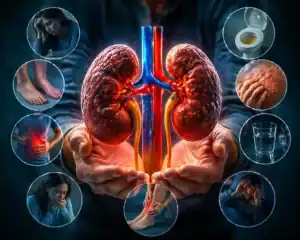
Silent Symptoms of Kidney Disease You Should Watch Out For
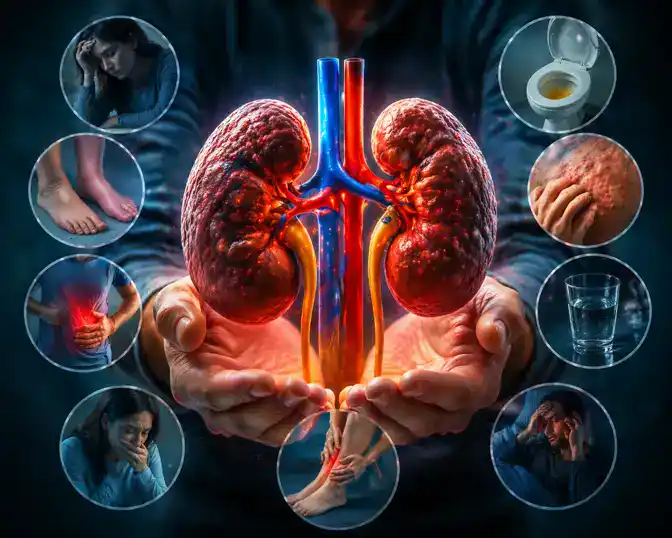
Kidney disease is often called a “silent threat” because many people don’t realize something is wrong until the condition becomes severe. Your kidneys work tirelessly filtering waste, balancing fluids, producing essential hormones, and keeping your body functioning smoothly. But when they start to fail, the early warning signs can be subtle and easy to ignore.
Recognizing these early symptoms can protect you from long-term complications like kidney failure, heart disease, nerve damage, and loss of quality of life. Below are the silent symptoms of kidney disease that you should never overlook.
1. Persistent Fatigue and Low Energy
One of the earliest signs of kidney disease is constant fatigue. When the kidneys are unable to properly filter waste from your blood, toxins accumulate and affect your energy levels.
Additionally, damaged kidneys may produce less erythropoietin (EPO), a hormone that helps create red blood cells. Low EPO leads to anemia, which causes:
- Weakness
- Lack of concentration
- Feeling tired even after sleep
If you find that your energy levels are dropping for no clear reason, your kidneys could be sending a warning sign.
2. Swelling in the Ankles, Feet, and Hands
Kidneys play a crucial role in maintaining your body’s fluid balance. When they’re not functioning correctly, fluid retention can occur, leading to swelling (edema).
You may notice:
- Puffy ankles
- Tight rings or shoes
- Swollen fingers or eyelids
Swelling may seem harmless at first, but chronic water retention is a classic indicator of declining kidney function.
3. Changes in Urination Patterns
Your urine offers a lot of clues about your kidney health. Pay attention to changes in:
Frequency
- Urinating more often , especially at night
- Urinating less than usual
Appearance
- Foamy or bubbly urine (sign of excess protein)
- Dark, tea-colored, or cloudy urine
Sensation
- Difficulty starting
- Pain or burning
- Feeling pressure or incomplete emptying
These changes could be related to kidney damage, infections, or urinary tract complications.
4. Persistent Back or Side Pain
Kidney disease can cause dull, persistent pain on one side of your lower back or just below your ribs. This discomfort may feel different from regular muscle pain and could be linked to:
- Polycystic kidney disease
- Kidney infections
- Kidney stones
If the pain doesn’t improve with rest or stretches, your kidneys may be involved.
5. Dry and Itchy Skin
Healthy kidneys help maintain the right level of minerals and nutrients in your body. When kidneys start to fail, mineral imbalance can lead to:
- Persistent itching
- Extremely dry skin
- Flaky patches
This happens because waste products remain in your bloodstream instead of being filtered out.
6. Metallic Taste in the Mouth and Bad Breath
A buildup of waste in the blood (uremia) can cause:
- A metallic or ammonia-like taste
- Chronic bad breath
- Loss of appetite
- Aversion to protein-rich foods
If you’re experiencing taste changes for no reason, it may be more than digestive issues.
7. Nausea and Unexplained Vomiting
When waste accumulates in your body, it can trigger nausea and vomiting. This may worsen over time and lead to:
- Weight loss
- Poor appetite
- Dehydration
Nausea is often overlooked, but when combined with other symptoms, it’s a significant red flag.
8. Trouble Sleeping
Kidney dysfunction may cause toxins to build up in your bloodstream, making it harder for your brain and body to relax at night.
You may experience:
- Insomnia
- Restless sleep
- Sleep apnea (common in kidney disease patients)
If your sleep quality has declined dramatically, don’t ignore it.
9. Muscle Cramps and Twitching
Imbalanced electrolyte levels especially calcium, sodium, and potassium can cause:
- Frequent muscle cramps
- Uncontrollable twitches
- Numbness or tingling
This symptom can appear early, even before more obvious signs of kidney damage.
10. Shortness of Breath
Damaged kidneys can cause two issues that lead to difficulty breathing:
- Fluid buildup in the lungs
- Anemia, reducing oxygen supply to tissues
If you’re short of breath after minimal activity, consider a kidney check-up.
When Should You See a Doctor?
Seek medical attention if you experience two or more of these symptoms consistently. Early detection is crucial, kidney disease can often be slowed or even reversed when diagnosed early.
Your doctor may recommend:
- Urine tests
- Blood creatinine tests
- Kidney ultrasound
- Glomerular filtration rate (GFR) test
How to Protect Your Kidneys
- Stay hydrated
- Monitor blood pressure
- Reduce salt intake
- Limit NSAIDs (like ibuprofen)
- Maintain a healthy weight
- Manage diabetes effectively
Final Thoughts
Kidney disease is dangerous because it progresses silently. Paying attention to early signs like changes in urination, fatigue, swelling, or unusual tastes can help you detect problems sooner and prevent severe complications.
Your kidneys protect your life. Make sure you protect them, too.