Early Signs of High Blood Pressure You Shouldn’t Ignore
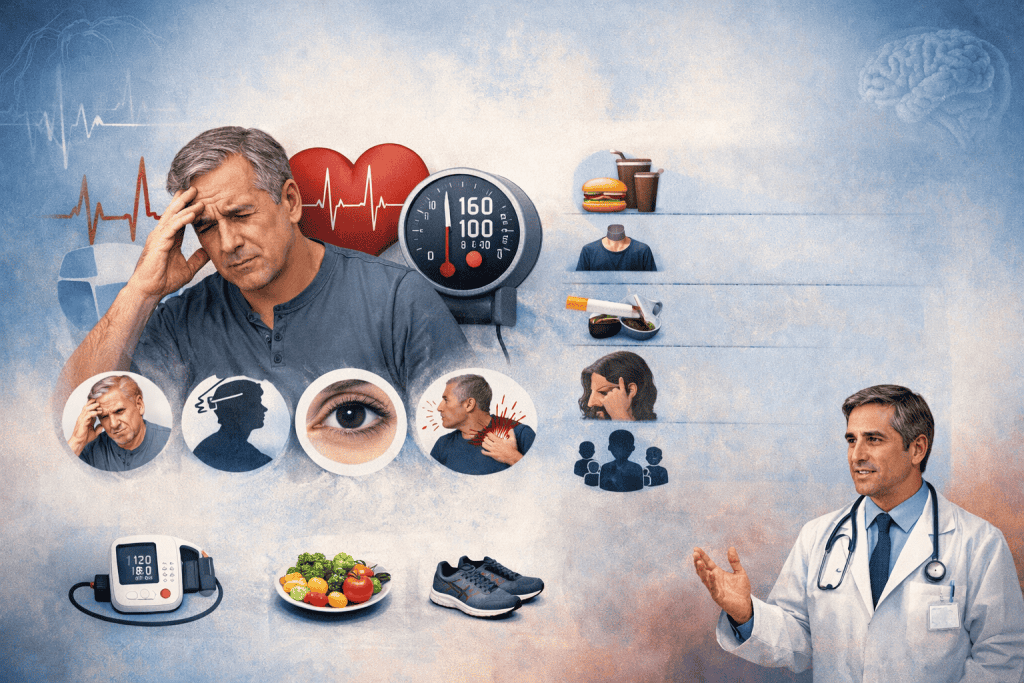
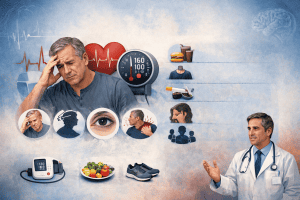
Early signs of high blood pressure are often subtle, easy to overlook, and sometimes completely silent. Yet these small warning signals can indicate a serious health issue developing beneath the surface. High blood pressure, also known as hypertension, affects millions of people worldwide and is one of the leading causes of heart disease and stroke.
Often called the silent killer, high blood pressure may develop without obvious symptoms. However, your body sometimes sends early signals before major complications occur. Recognizing these high blood pressure symptoms early can help prevent long‑term damage to your heart, brain, kidneys, and blood vessels.
Understanding the early signs of high blood pressure is the first step toward protecting your long‑term health.
What Is High Blood Pressure?
Blood pressure measures the force of blood pushing against artery walls as your heart pumps. When this pressure remains elevated over time, it puts extra strain on your cardiovascular system.
A normal blood pressure reading is typically around 120/80 mmHg. Readings consistently above 130/80 mmHg are considered high blood pressure.
Over time, uncontrolled hypertension may lead to:
- Heart disease
- Stroke
- Kidney failure
- Vision loss
- Cognitive decline
Learn more from trusted medical guidance.
Why High Blood Pressure Is Called the Silent Killer
One reason hypertension is dangerous is because symptoms often appear late. Many people feel completely normal while their blood pressure remains dangerously high.
However, some early signs of high blood pressure may appear before serious damage occurs. These symptoms are often mild and mistaken for everyday fatigue or stress.
Ignoring these warning signs can increase the risk of severe complications.
Early Signs of High Blood Pressure You Shouldn’t Ignore
1. Frequent or Severe Headaches
One of the most common early signs of high blood pressure is persistent headaches, especially in the morning. These headaches may feel like pressure around the head and can worsen over time.
While headaches can result from many causes, frequent headaches without a clear explanation may signal elevated blood pressure. Learn more.
2. Dizziness or Lightheadedness
Occasional dizziness is normal, but repeated episodes may indicate reduced blood flow to the brain. High blood pressure can affect circulation and lead to feelings of imbalance or lightheadedness.
If dizziness becomes frequent, it may be one of the early high blood pressure symptoms that requires medical evaluation.
3. Blurred or Double Vision
Your eyes are extremely sensitive to blood pressure changes. Hypertension can damage tiny blood vessels in the retina.
Possible vision-related symptoms include:
- Blurry vision
- Double vision
- Eye strain
- Sudden vision changes
These may be important early signs of high blood pressure and should not be ignored.
4. Chest Pain or Tightness
Chest discomfort may indicate strain on the heart caused by high blood pressure. Your heart must work harder when pressure levels rise.
Symptoms may include:
- Tightness in chest
- Mild chest pain
- Pressure sensation
Seek medical attention immediately if chest pain occurs.
5. Shortness of Breath
Shortness of breath during everyday activities may signal heart strain. High blood pressure can reduce the heart’s ability to pump efficiently.
If you experience breathlessness when walking, climbing stairs, or performing light activity, this may be one of the early signs of high blood pressure.
6. Irregular Heartbeat (Palpitations)
A racing, fluttering, or pounding heart can sometimes indicate hypertension. These palpitations may happen occasionally or more frequently.
Irregular heartbeat is another high blood pressure symptom that should be monitored carefully.
7. Nosebleeds
Frequent nosebleeds are uncommon but may occur when blood pressure becomes very high. Occasional nosebleeds are typically harmless, but repeated episodes should be evaluated.
8. Fatigue and Confusion
High blood pressure may reduce oxygen flow to the brain. This can lead to:
- Unusual fatigue
- Mental fog
- Difficulty concentrating
- Confusion
These symptoms may represent subtle early signs of high blood pressure.
Risk Factors for High Blood Pressure
Certain lifestyle and genetic factors increase your risk of hypertension:
- High salt diet
- Lack of exercise
- Obesity
- Chronic stress
- Smoking
- Alcohol consumption
- Family history
- Aging
Complications of Untreated High Blood Pressure
Ignoring early signs of high blood pressure can lead to severe health problems.
Heart Disease
High pressure damages arteries and increases the risk of heart attack and heart failure.
Stroke
Hypertension is the leading cause of stroke due to blocked or ruptured blood vessels.
Kidney Damage
High blood pressure damages kidney blood vessels and may lead to kidney failure.
Vision Loss
Damage to eye blood vessels can cause permanent vision problems.
How to Detect High Blood Pressure Early
The only reliable way to detect hypertension is regular monitoring.
You can:
- Use a home blood pressure monitor
- Visit your healthcare provider
- Track readings over time
Early detection helps prevent complications.
How to Prevent High Blood Pressure
1. Eat a Heart‑Healthy Diet
- Reduce salt intake
- Eat fruits and vegetables
- Avoid processed foods
2. Stay Physically Active
Exercise at least 30 minutes daily such as walking, jogging, or cycling.
3. Maintain a Healthy Weight
Losing even small amounts of weight can significantly lower blood pressure.
4. Manage Stress
Practice meditation, breathing exercises, or yoga.
5. Avoid Smoking and Limit Alcohol
Smoking and alcohol increase blood pressure and damage blood vessels.
When to See a Doctor
Seek medical attention if:
- Symptoms persist
- Blood pressure remains high
- You have a family history
Early treatment can prevent heart disease and stroke.
Conclusion
Early signs of high blood pressure are often subtle but important. Ignoring them can lead to serious complications including heart disease, stroke, and kidney damage.
By recognizing these high blood pressure symptoms, monitoring your health, and making lifestyle changes, you can reduce your risk and protect your long‑term health.
Start paying attention to your body today. Early detection can save your life.