Sitting Is the New Smoking: Prevent Back Pain Before It Starts
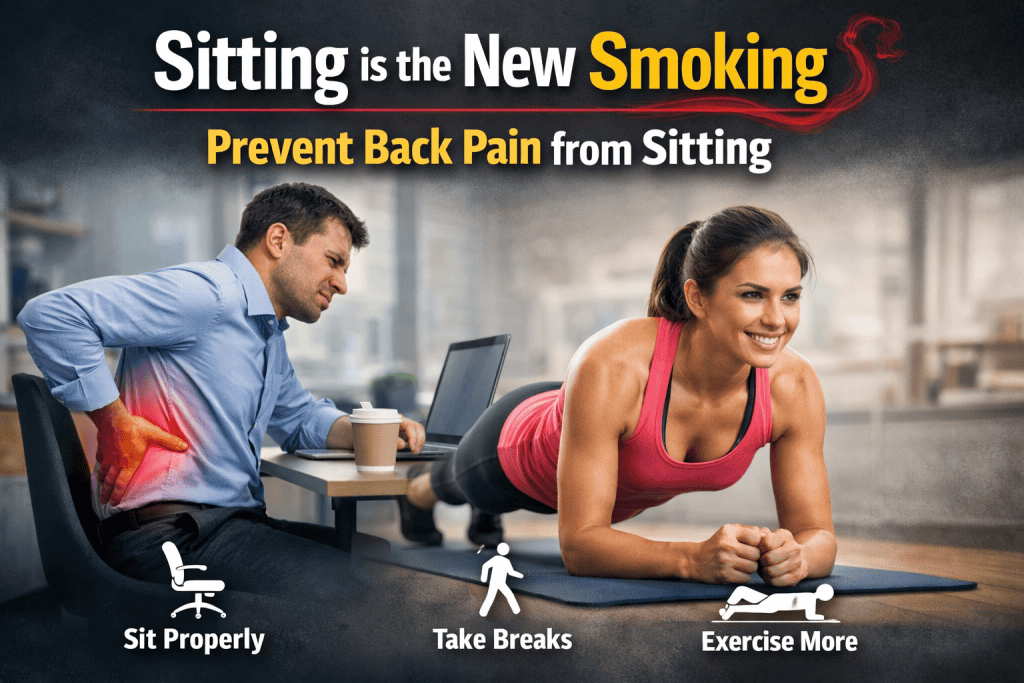
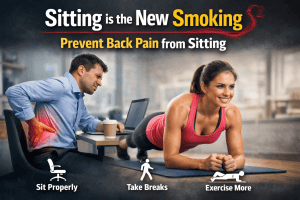
Sitting Is the New Smoking. That phrase may sound dramatic, but it reflects a serious reality about modern life. If you want to prevent back pain before it starts, you need to understand how prolonged sitting quietly damages your spine.
Most of us sit for hours every day. We sit in class, at work, in traffic, during meetings, and then relax at home on the couch. Over time, this constant sitting increases pressure on the spine, weakens key muscles, and creates the perfect setup for chronic discomfort. The good news is that you can prevent back pain with simple daily changes.
Let’s break down what’s happening inside your body and what you can do about it.
Sitting Is the New Smoking: Why Experts Use This Phrase
The phrase Sitting Is the New Smoking highlights how widespread and harmful excessive sitting has become. Just as smoking damages multiple systems in the body, prolonged sitting affects your spine, muscles, circulation, and metabolism.
Research shows that up to 80% of adults experience lower back pain at some point in life. Sedentary lifestyles are a major contributor. According to external resources like Spine-Health, sitting increases disc pressure and accelerates spinal strain.
Healthline also explains how acute and chronic low back pain develop. The pattern is clear. The longer you sit without movement, the higher your risk.
So when experts say Sitting Is the New Smoking, they are pointing to a preventable but growing health threat.
How Prolonged Sitting Increases Your Risk of Back Pain
If your goal is to prevent back pain, you need to understand the mechanics behind it.
1. Increased Spinal Disc Pressure
Sitting actually places more pressure on the lumbar spine than standing. Slouching makes it worse. Over time, this added compression stresses the intervertebral discs and may lead to strain or injury.
2. Weak Core Muscles
Your core muscles stabilize your spine. When you sit for long periods, these muscles stay inactive. Weak core support makes it harder to maintain healthy posture and easier to develop lower back pain.
3. Tight Hip Flexors
Prolonged sitting shortens the hip flexor muscles. Tight hips pull on the pelvis, which alters spinal alignment. That imbalance increases lower back stress.
4. Forward Head Posture
Leaning toward screens strains the neck and upper back. This posture shifts weight forward, forcing spinal muscles to work harder than they should.
If Sitting Is the New Smoking, these muscle imbalances are the silent damage building up daily.
For a clinical overview of low back pain mechanisms, see Physio-pedia.
Warning Signs You Should Not Ignore
Many people try to push through discomfort. That often leads to chronic issues.
Watch for:
- Persistent lower back pain
- Neck stiffness after desk work
- Tingling in the legs
- Rounded shoulders
- Fatigue after sitting for long hours
These are early signals. Acting now can prevent back pain from becoming long-term.
Sitting Is the New Smoking: Practical Ways to Prevent Back Pain
The solution is not to quit your job or stop studying. It is to interrupt the damage pattern.
Follow the 30–30 Movement Rule
Every 30 minutes, stand or move for at least 30 seconds. Walk to get water. Stretch. Reset your posture. Small movement breaks improve circulation and reduce disc pressure.
Set a phone reminder if needed.
Build an Ergonomic Workspace
A proper setup reduces strain dramatically.
- Screen at eye level
- Feet flat on the floor
- Knees at 90 degrees
- Lower back supported
- Shoulders relaxed
Even minor adjustments can prevent back pain over time.
Strength Training to Prevent Back Pain
Movement is medicine for your spine.
To prevent back pain, focus on strengthening and stretching key areas.
Core Strength Exercises
- Planks
- Bird-dogs
- Glute bridges
- Dead bugs
Perform these 3–4 times per week.
Daily Stretch Routine
Stretch:
- Hip flexors
- Hamstrings
- Chest muscles
- Lower back
Tight muscles pull your spine out of alignment. Flexibility restores balance.
If Sitting Is the New Smoking, strength training is the antidote.
Quick Desk Stretches for Immediate Relief
You do not need a gym to protect your spine.
Try these simple movements:
- Seated spinal twist
- Neck side stretch
- Shoulder rolls
- Standing back extension
Each takes less than a minute. Done consistently, they help prevent back pain caused by long desk sessions.
Lifestyle Habits That Support Spinal Health
Preventing back pain goes beyond posture.
Stay Physically Active
Aim for at least 150 minutes of moderate activity weekly. Walking alone makes a difference.
Maintain a Healthy Weight
Excess body weight increases spinal load.
Sleep Smart
Choose a supportive mattress and maintain neutral spine alignment.
Stay Hydrated
Spinal discs depend on hydration to maintain cushioning ability.
Small habits compound. Over time, they protect your spine from chronic strain.
Why Prevention Is Easier Than Treatment
Once chronic lower back pain develops, recovery takes time. Physical therapy, medication, and lifestyle changes become necessary.
It is far easier to prevent back pain early than to reverse damage later.
Think about it this way. You would not wait for cavities before brushing your teeth. Your spine deserves the same daily care.
Sitting Is the New Smoking only if you ignore the warning. When you add movement, strengthen your core, and improve posture, sitting becomes far less harmful.
Final Thoughts: Take Control of Your Spine Today
Sitting Is the New Smoking, but you are not powerless. You can prevent back pain by making small adjustments starting today.
Stand more. Stretch often. Strengthen your core. Improve your posture.
Your body was built to move. The more you respect that design, the healthier your spine will remain for years to come.
Start now. Your future back will thank you.