Menopause and Mental Health: Coping With Emotional Changes
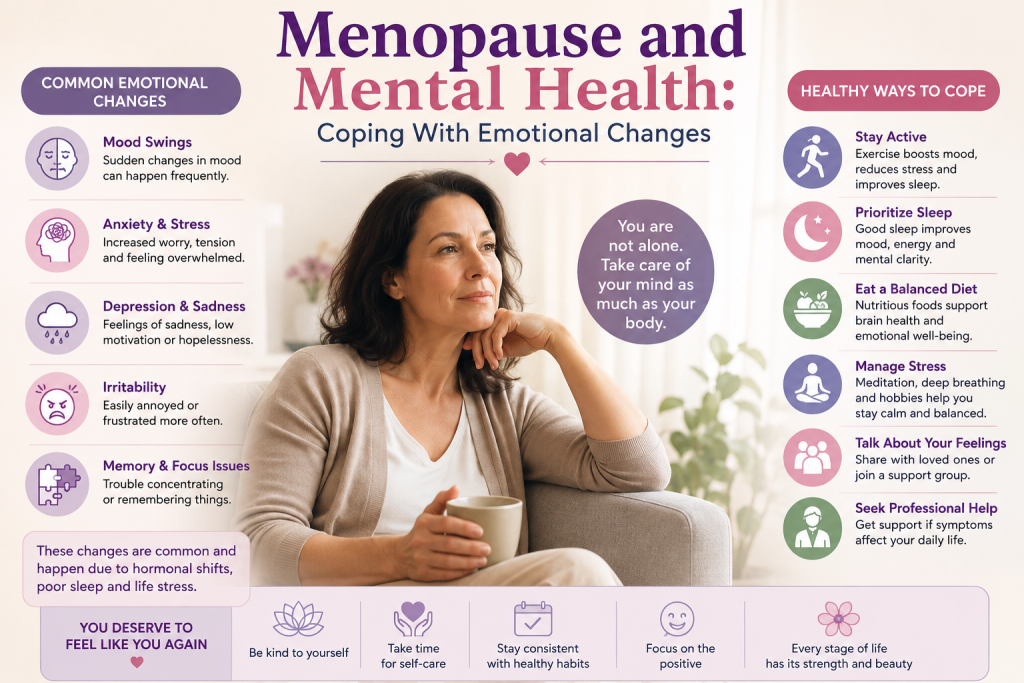
Menopause is a natural stage in a woman’s life that marks the end of menstrual cycles and reproductive years. While many people focus on the physical symptoms such as hot flashes and night sweats, the emotional and mental health effects of menopause are just as important. Hormonal changes during this period can affect mood, sleep, energy levels, and overall emotional well-being. For many women, menopause can feel overwhelming, especially when emotional changes begin to interfere with daily life.
Understanding Menopause
Menopause usually occurs between the ages of 45 and 55 and is officially diagnosed after a woman has gone 12 consecutive months without a menstrual period. During this transition, the body produces lower levels of estrogen and progesterone. These hormones play a major role not only in reproduction but also in brain function and emotional balance.
The years leading up to menopause, known as perimenopause, can also bring noticeable emotional symptoms. Some women experience mood swings, irritability, anxiety, or sadness long before their periods completely stop. Because the symptoms can develop gradually, many women may not immediately realize that menopause is affecting their mental health. Learn more
Common Emotional Changes During Menopause
Every woman experiences menopause differently, but emotional symptoms are very common. Some of the most reported mental and emotional changes include:
Mood Swings
Hormonal fluctuations can cause sudden changes in mood. A woman may feel happy one moment and emotional or frustrated the next. These mood swings can be difficult to manage, especially when combined with stress from work, family responsibilities, or aging.
Anxiety and Stress
Many women experience increased anxiety during menopause. Racing thoughts, nervousness, and feelings of tension may become more frequent. Changes in hormone levels can make the body more sensitive to stress, leading to emotional exhaustion.
Depression and Sadness
Some women may develop feelings of sadness, hopelessness, or loss of interest in activities they once enjoyed. Sleep problems and fatigue can worsen these feelings. Women with a history of depression may be more vulnerable during menopause.
Irritability
Small problems may suddenly feel overwhelming. Women going through menopause may notice that they become impatient or easily annoyed more often than before.
Memory and Concentration Problems
Menopause can also affect cognitive function. Many women report forgetfulness, difficulty concentrating, or what is commonly called “brain fog.” Although usually temporary, these symptoms can be frustrating and stressful.
Why Menopause Affects Mental Health
The emotional effects of menopause are linked to several factors. The biggest reason is the drop in estrogen levels. Estrogen helps regulate chemicals in the brain such as serotonin, which influences mood and emotional stability. When hormone levels change, emotional balance can also shift.
Sleep disturbances are another major factor. Night sweats and insomnia can reduce sleep quality, leading to fatigue, irritability, and poor concentration during the day. Lack of sleep can also increase the risk of anxiety and depression.
In addition, menopause often happens during a period of major life changes. Women may be dealing with aging parents, career pressure, financial stress, or children leaving home. These emotional pressures can intensify mental health struggles during menopause.
Healthy Ways to Cope With Emotional Changes
Although menopause can be challenging, there are many healthy strategies that can improve emotional well-being and mental health.
Stay Physically Active
Regular exercise is one of the best ways to support mental health during menopause. Physical activity helps release endorphins, which improve mood and reduce stress. Activities such as walking, yoga, dancing, or swimming can help women feel more relaxed and energetic.
Prioritize Good Sleep
Improving sleep quality can greatly reduce emotional symptoms. Creating a bedtime routine, avoiding caffeine late in the day, and keeping the bedroom cool may help manage night sweats and insomnia.
Eat a Balanced Diet
Healthy eating supports both physical and mental health. Foods rich in omega-3 fatty acids, fruits, vegetables, whole grains, and lean protein can help stabilize mood and energy levels. Reducing processed foods and excess sugar may also help improve emotional balance.
Practice Stress Management
Relaxation techniques such as meditation, deep breathing, and mindfulness can reduce anxiety and improve emotional control. Taking time for hobbies and self-care activities can also help women feel calmer and more positive.
Talk About Your Feelings
Menopause should not be faced alone. Talking to trusted friends, family members, or support groups can provide comfort and reassurance. Sharing experiences with other women going through menopause may help reduce feelings of isolation.
Seek Professional Help When Needed
If emotional symptoms become severe or begin affecting daily life, professional support is important. A healthcare provider or mental health professional can recommend counseling, therapy, or treatment options. In some cases, hormone therapy or medication may help manage symptoms effectively.
Read: The “K-Shaped” Recovery: Why Some Prosper While Others Struggle
The Importance of Emotional Support
Support from family and loved ones plays a major role in helping women cope with menopause. Understanding and patience from partners, friends, and coworkers can reduce stress and improve emotional well-being. Education about menopause can also help break the stigma surrounding emotional symptoms and encourage women to seek help without shame.
Conclusion
Menopause is a natural part of aging, but the emotional changes that come with it can be difficult to handle. Mood swings, anxiety, irritability, and sadness are common experiences caused by hormonal changes, sleep problems, and life stress. The good news is that these challenges can be managed with healthy lifestyle habits, emotional support, and professional care when needed. By understanding the connection between menopause and mental health, women can take positive steps toward maintaining emotional balance and improving their overall quality of life.