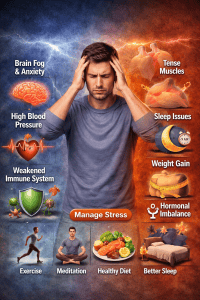
How Stress Affects Your Body (And How to Manage It Effectively)
Stress affects more than your emotions it impacts your entire body. When stress becomes chronic, it can lead to headaches, poor sleep, weakened immunity, digestive issues, and even long-term health problems like hypertension. Understanding how stress influences your physical and mental well-being is the first step toward managing it effectively.
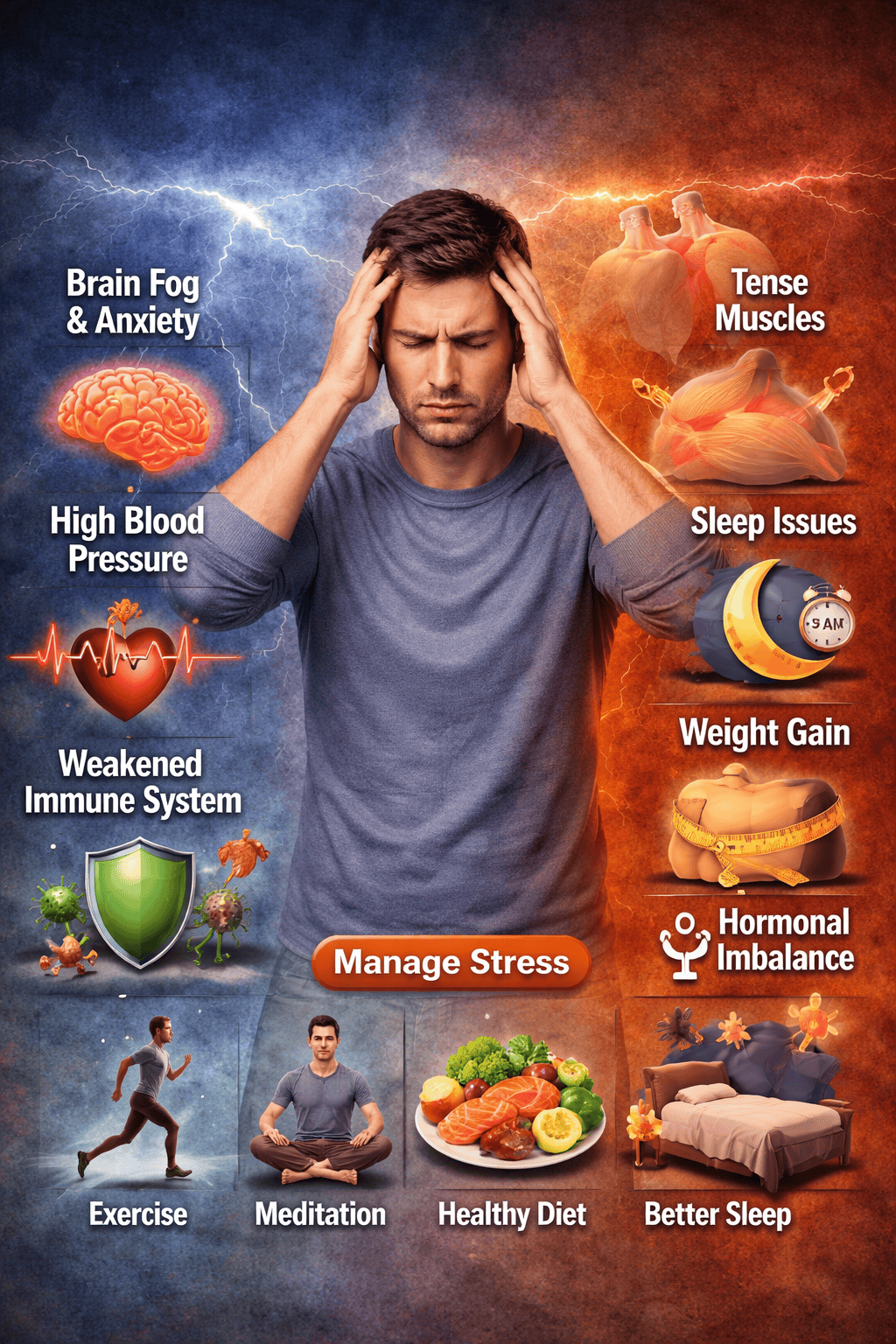
How Stress Affects Your Body is a topic many people underestimate, yet stress influences nearly every system in the body from your brain and heart to your hormones and immune system. Understanding these effects is the first step to learning how to manage stress effectively and protect your long-term health.
In today’s fast-paced world, stress has become a daily companion for millions of people. While short-term stress can be helpful, chronic stress can quietly damage your health in ways you may not even notice until symptoms show up.
This guide explores what stress does to your body, early warning signs, and the most effective science-backed strategies to manage and reduce stress naturally.

How Stress Affects Your Body: The Science Behind It
When your brain perceives danger whether real or imagined it releases hormones like cortisol and adrenaline. This “fight or flight” response helps you act quickly in emergencies, but when activated too often, it becomes harmful.
1. Stress Affects Your Brain and Mental Health
Chronic stress disrupts neurotransmitters like serotonin and dopamine, increasing the risk of:
- Anxiety
- Depression
- Brain fog
- Memory problems
- Difficulty concentrating
Prolonged stress can even change the structure of your brain and affect how you process thoughts, emotions, and decision-making.

2. Stress Affects Your Heart and Blood Pressure
Stress hormones increase your heart rate and blood pressure. Over time, this may lead to:
- Hypertension
- Irregular heartbeat
- Increased risk of heart attack
- Inflammation of blood vessels
This is why many people experience chest tightness during stressful moments.
3. Stress Weakens Your Immune System
When cortisol remains high, your immune response becomes weaker, making you prone to:
- Frequent colds
- Infections
- Slow wound healing
- Chronic inflammation
A weak immune system means you get sick more often and take longer to recover. Learn more
4. Stress Affects Your Digestive System
Stress disrupts digestion by altering gut bacteria and slowing down the movement of food through the digestive tract. This can lead to:
- Stomach pain
- Bloating
- Diarrhea or constipation
- Worsening of ulcers and acid reflux
If you often feel stomach discomfort when you’re stressed, this is why.
5. Stress Disrupts Hormones and Sleep
High and prolonged cortisol levels cause:
- Insomnia
- Hormonal imbalance
- Weight gain (especially belly fat)
- Irregular menstrual cycles
- Mood swings
Your body cannot rest or repair itself properly when stress hormones stay elevated throughout the day. Learn more
Early Symptoms Showing How Stress Affects Your Body
You may be experiencing stress without recognizing it. Common warning signs include:
- Constant tiredness
- Headaches
- Muscle tension
- Racing thoughts
- Irritability
- Loss of appetite or emotional eating
- Chest tightness
- Increased sweating
- Trouble focusing
These symptoms indicate that your mind and body are overwhelmed and need relief.
How to Manage Stress Effectively (Proven Tips)
Understanding how stress affects your body is only half the journey; the next step is learning to manage stress effectively. Below are the most effective science-backed strategies to reduce stress naturally.
1. Practice Deep Breathing
Slow, deep breaths lower your heart rate and calm your nervous system. One of the best breathing exercises is the 4-7-8 method:
- Inhale for 4 seconds
- Hold for 7 seconds
- Exhale for 8 seconds
Repeat this for 5–7 cycles.
2. Exercise Regularly
Physical activity is one of the fastest natural ways to reduce stress. Exercise releases endorphins your body’s feel-good hormones which help improve mood, sleep, and confidence.
Even simple exercises like walking, stretching, or dancing can provide immediate relief. Learn more

3. Improve Your Sleep Hygiene
Poor sleep increases stress and makes your emotions harder to control. Improve sleep by:
- Avoiding screens 1 hour before bed
- Sleeping in a cool, dark, quiet room
- Reducing caffeine intake after 2 PM
- Following a consistent sleep routine
Good sleep resets your stress response and restores your energy.
4. Maintain a Healthy Diet
Food plays a major role in stress management. Eating nutrient-rich foods supports brain function and stabilizes mood. Include foods like:
- Nuts and seeds
- Leafy greens
- Whole grains
- Fatty fish
- Yogurt
- Eggs and beans
Avoid excess sugar, alcohol, and junk food they increase inflammation and worsen stress over time.
5. Stay Connected With Loved Ones
Talking to people you trust reduces stress hormones and boosts oxytocin a hormone linked to belonging and calmness. Spend time with supportive friends, family, or community groups.
6. Practice Mindfulness and Meditation
Meditation trains your brain to stay grounded and reduces anxiety. Even 5 minutes a day can:
- Lower cortisol
- Improve focus
- Increase emotional control
- Reduce negative thinking
You can use guided meditation apps or simple breathing meditation.
7. Set Boundaries
Stress often comes from taking on too much. Learn to say no, delegate tasks, and protect your personal time. Creating boundaries helps prevent burnout and protects your mental health.
8. Seek Professional Help When Needed
If stress affects your daily life, sleep, emotions, or relationships, it may be time to speak with a psychologist or counselor. Therapy provides coping skills and emotional support that can change your life.

How Stress Affects Your Body Over Time If Left Untreated
Ignoring stress can lead to long-term health issues such as:
- Chronic fatigue
- Hypertension
- Heart disease
- Digestive disorders
- Diabetes
- Obesity
- Depression and anxiety
- Memory and concentration problems
- Weakened immunity
- Premature aging
This is why learning to manage stress effectively is essential for long-term well-being.
Conclusion
Understanding how stress affects your body helps you recognize early warning signs and take steps to protect your health. Whether through exercise, deep breathing, meditation, healthy eating, or professional support, the tools to manage stress effectively are available to everyone.
Small, consistent daily habits can transform your mental and physical health starting today.