How Dehydration Affects Your Brain and Body Performance
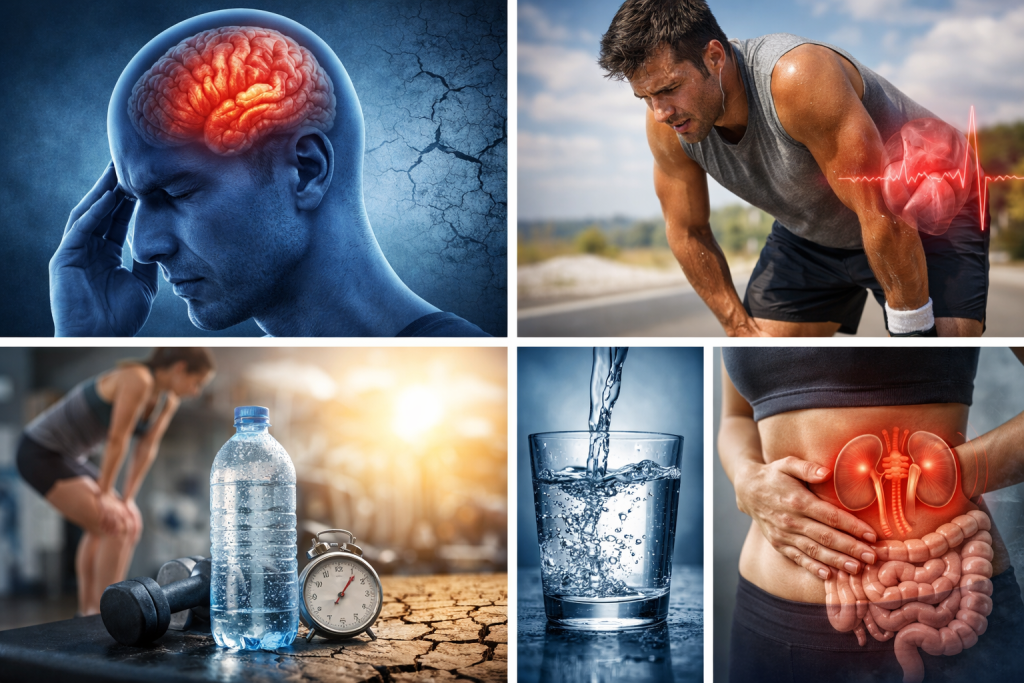
Water is one of the most essential elements the human body needs to function properly. Every cell, tissue, and organ depends on adequate hydration to maintain health and performance. Yet many people underestimate how even mild dehydration can negatively affect the brain and body. Dehydration occurs when the body loses more fluids than it takes in, leading to an imbalance that can interfere with physical strength, mental clarity, and overall well-being.
Understanding how dehydration affects your body can help you recognize the warning signs early and prevent serious health complications.
What Is Dehydration?
Dehydration happens when your body does not have enough water to carry out its normal functions. This can occur due to:
- Not drinking enough water
- Excessive sweating
- Fever
- Vomiting
- Diarrhea
- Hot weather
- Intense exercise
- Excessive caffeine or alcohol intake
Even losing just 1–2% of your body’s water can begin to affect your physical and mental performance.
How Dehydration Affects the Brain
The brain is highly sensitive to fluid loss because it is made up of about 75% water. When dehydration occurs, brain function can decline quickly.
Reduced Concentration and Focus
Mild dehydration can make it harder to:
- Stay focused
- Process information
- Pay attention
- Complete tasks efficiently
People often feel mentally foggy when they have not consumed enough fluids. Learn more
Memory Problems
Dehydration can impair short-term memory and make it more difficult to retain information. Students and professionals may notice reduced productivity when hydration levels are low.
Mood Changes
Lack of water can affect emotional stability and may cause:
- Irritability
- Anxiety
- Fatigue
- Confusion
Some people mistake dehydration for stress or exhaustion.
Headaches and Migraines
One common symptom of dehydration is headache. When the body loses fluids, the brain may temporarily shrink from fluid loss, causing pain and discomfort.
How Dehydration Affects Physical Performance
The body relies on water for temperature control, circulation, and muscle function. When fluid levels drop, performance declines.
Muscle Weakness
Dehydration can lead to:
- Reduced muscle strength
- Faster fatigue
- Poor endurance
- Slower recovery
Athletes especially need proper hydration to perform at their best.
Reduced Energy Levels
Without enough water, blood volume decreases, forcing the heart to work harder. This can cause:
- Tiredness
- Low stamina
- Weakness
- Dizziness
Even daily activities can feel more difficult.
Poor Temperature Regulation
Sweating helps cool the body, but dehydration reduces this ability. This can increase the risk of:
- Heat exhaustion
- Heat stroke
- Overheating
This becomes dangerous in hot climates or during exercise.
Effects on Internal Organs
Dehydration can also affect major organs and internal systems.
Kidney Problems
The kidneys need water to remove waste from the body. Chronic dehydration may increase the risk of:
- Kidney stones
- Urinary tract infections
- Kidney damage
Digestive Issues
Low fluid intake can slow digestion and contribute to:
- Constipation
- Acid reflux
- Bloating
Water helps move food smoothly through the digestive tract.
Heart Strain
When dehydrated, blood becomes more concentrated, making circulation harder. This can lead to:
- Increased heart rate
- Lower blood pressure
- Poor oxygen delivery
Signs of Dehydration
Recognizing dehydration early can prevent serious complications.
Common signs include:
- Dry mouth
- Dark yellow urine
- Thirst
- Fatigue
- Dizziness
- Headache
- Dry skin
- Rapid heartbeat
- Muscle cramps
Severe dehydration may cause confusion and fainting and requires immediate medical attention.
Who Is Most at Risk?
Some people are more vulnerable to dehydration:
Children
Children lose fluids faster than adults and may not recognize thirst quickly.
Older Adults
Aging reduces the body’s ability to conserve water and detect thirst.
Athletes
Heavy sweating increases fluid loss during exercise.
People in Hot Climates
Living in hot weather increases daily water needs.
How Much Water Do You Need?
Daily water needs vary based on:
- Age
- Weight
- Activity level
- Climate
- Health condition
General recommendations:
- Men: about 3.7 liters daily
- Women: about 2.7 liters daily
This includes water from drinks and food.
How to Stay Properly Hydrated
Simple habits can help maintain hydration.
Drink Water Regularly
Do not wait until you feel thirsty.
Eat Water-Rich Foods
Foods high in water include:
- Watermelon
- Cucumber
- Oranges
- Strawberries
- Lettuce
Increase Fluids During Exercise
Drink before, during, and after physical activity.
Limit Dehydrating Drinks
Reduce excessive:
- Alcohol
- Sugary drinks
- High caffeine beverages
Monitor Urine Color
Light yellow urine usually indicates good hydration.
Long-Term Effects of Chronic Dehydration
Repeated dehydration may contribute to:
- Chronic fatigue
- Poor skin health
- Kidney problems
- Digestive disorders
- Reduced brain performance
Over time, insufficient hydration can lower overall quality of life.
Read: Blockchain Technology Explained: Uses Beyond Cryptocurrency
Conclusion
Dehydration affects far more than just thirst. It can reduce brain function, weaken physical performance, strain internal organs, and lower energy levels throughout the day. Even mild fluid loss can impair concentration, mood, and endurance. Staying properly hydrated is one of the simplest yet most effective ways to support both mental and physical health.
Making water intake a daily priority can improve your energy, sharpen your thinking, and help your body perform at its best.