The Connection Between Nutrition and Immunity
The immune system is the body’s natural defense against infections, diseases, and harmful microorganisms. A strong immune system helps the body fight bacteria, viruses, and other health threats effectively. One of the most important factors that influence immunity is nutrition. The foods people eat provide the nutrients needed for the body to grow, repair tissues, and maintain a healthy immune response.
Good nutrition supports every part of the immune system. When the body receives the right balance of vitamins, minerals, proteins, healthy fats, and carbohydrates, immune cells can function properly. Poor nutrition, on the other hand, weakens the body’s defenses and increases the risk of infections and illnesses.
How Nutrition Supports the Immune System
The immune system relies on nutrients to produce antibodies, white blood cells, and other substances that protect the body. Certain nutrients are especially important for maintaining strong immunity. Learn more
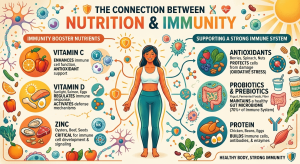
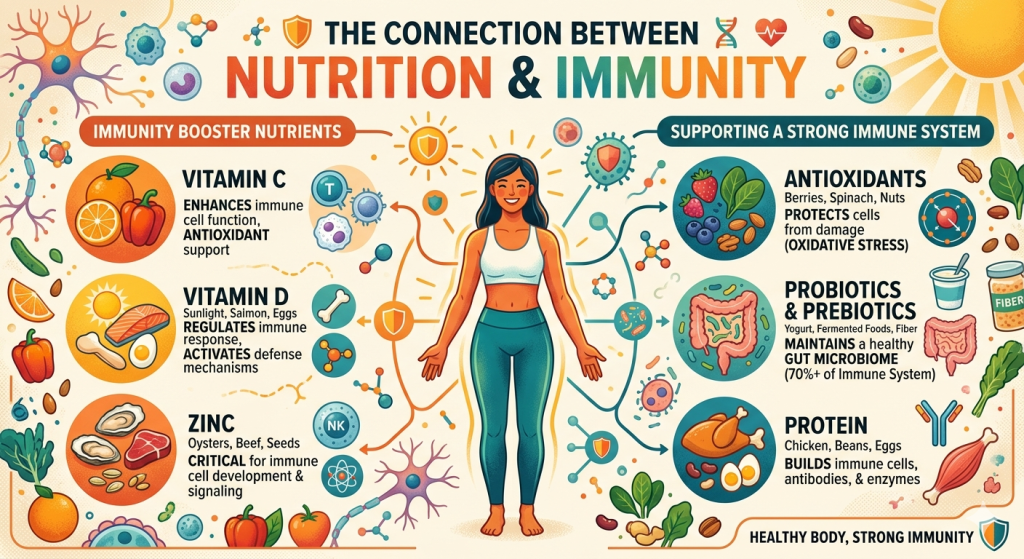
Vitamin C
Vitamin C is known for its role in boosting the immune system. It helps stimulate the production of white blood cells, which fight infections. Vitamin C also acts as an antioxidant, protecting the body from harmful free radicals.
Foods rich in vitamin C include:
- Oranges
- Lemons
- Pineapples
- Strawberries
- Tomatoes
- Bell peppers
- Green vegetables
Vitamin D
Vitamin D helps regulate the immune response and reduces inflammation. Low levels of vitamin D may increase the risk of infections and certain diseases.
Sources of vitamin D include:
- Sunlight exposure
- Eggs
- Fatty fish
- Fortified milk and cereals
Zinc
Zinc is a mineral that supports immune cell growth and healing. A lack of zinc can weaken the immune system and slow recovery from illnesses.
Foods rich in zinc include:
- Meat
- Beans
- Nuts
- Seeds
- Seafood
Protein
Protein is essential for building and repairing body tissues, including immune cells. Without enough protein, the body may struggle to fight infections effectively.
Good protein sources include:
- Fish
- Eggs
- Chicken
- Beans
- Milk
- Soy products
Healthy Fats
Healthy fats help control inflammation and support immune cell function. Omega-3 fatty acids are especially beneficial for overall health.
Sources include:
- Fish
- Avocados
- Nuts
- Olive oil
- Seeds
The Effects of Poor Nutrition on Immunity
Poor eating habits can weaken the immune system and make the body more vulnerable to diseases. Diets high in processed foods, sugar, and unhealthy fats may contribute to inflammation and reduce the body’s ability to fight infections.
Malnutrition can lead to:
- Frequent illness
- Slow healing
- Fatigue
- Weakness
- Increased risk of infections
Children, older adults, and people with chronic illnesses are especially vulnerable to weakened immunity caused by poor nutrition.
Hydration and Immunity
Drinking enough water is also important for immune health. Water helps transport nutrients throughout the body and removes waste products. Proper hydration supports the body’s natural defense systems and keeps organs functioning well.
Healthy Eating Habits for Strong Immunity
Maintaining a healthy immune system involves more than taking supplements. A balanced lifestyle is important. Helpful habits include:
- Eating a variety of fruits and vegetables
- Choosing whole grains
- Limiting sugary and processed foods
- Drinking enough water
- Exercising regularly
- Getting enough sleep
- Managing stress
Read: Elderly Pneumonia: Symptoms, Risks, and Prevention
Conclusion
Nutrition and immunity are closely connected. The body depends on essential nutrients to maintain strong defenses against diseases and infections. Eating a balanced diet rich in vitamins, minerals, protein, and healthy fats helps the immune system function effectively. By making healthy food choices and maintaining good lifestyle habits, individuals can improve their overall health and strengthen their immunity naturally.