Common Causes of Fatigue and Low Energy
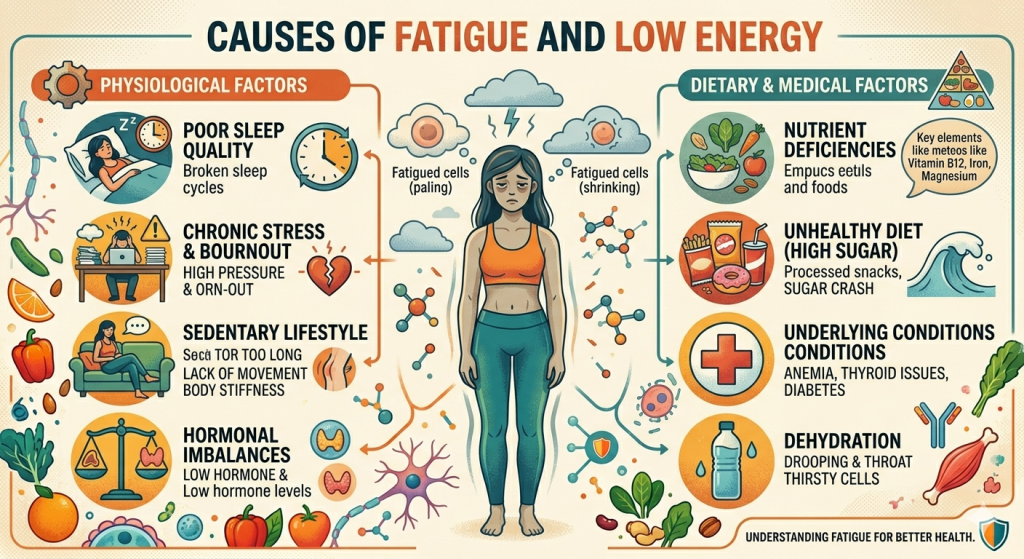
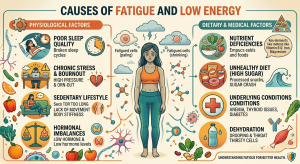
Fatigue and low energy are common problems that affect people of all ages. Feeling tired occasionally after physical activity or a busy day is normal, but constant exhaustion may interfere with daily life, work, studies, and relationships. Many factors can contribute to fatigue, including lifestyle habits, medical conditions, emotional stress, and poor nutrition. Understanding the common causes of fatigue can help individuals take the right steps toward improving their health and energy levels.
Lack of Quality Sleep
One of the most common causes of fatigue is poor sleep. The body needs enough rest to repair tissues, restore energy, and support brain function. People who do not get enough sleep often experience tiredness, poor concentration, mood changes, and reduced productivity. Learn more
Common sleep-related causes of fatigue include:
- Sleeping too late regularly
- Irregular sleep schedules
- Sleep disorders such as insomnia
- Excessive screen time before bed
- Poor sleeping environment
Most adults need around seven to nine hours of quality sleep each night to function properly.
Poor Nutrition
The body depends on nutrients from food to produce energy. Diets lacking essential vitamins, minerals, and proteins can lead to weakness and constant tiredness. Skipping meals or eating too many processed foods may also affect energy levels.
Nutritional causes of fatigue include:
- Iron deficiency
- Low vitamin B12 levels
- Dehydration
- Inadequate calorie intake
- Excessive sugar consumption
Eating balanced meals that include fruits, vegetables, whole grains, healthy fats, and proteins can help maintain steady energy throughout the day.
Stress and Mental Exhaustion
Emotional stress can drain both physical and mental energy. Worry, anxiety, and emotional pressure increase the production of stress hormones, which may lead to exhaustion over time.
Signs of stress-related fatigue include:
- Difficulty concentrating
- Irritability
- Headaches
- Muscle tension
- Trouble sleeping
Managing stress through relaxation, exercise, proper rest, and social support can improve overall energy levels.
Lack of Physical Activity
Although exercise requires energy, regular physical activity actually helps improve stamina and reduce fatigue. A sedentary lifestyle may cause the body to feel sluggish and weak.
Benefits of regular exercise include:
- Improved blood circulation
- Better sleep quality
- Increased endurance
- Reduced stress
- Improved mood
Simple activities such as walking, stretching, or light workouts can help boost energy naturally.
Dehydration
Water is essential for many body functions, including circulation, digestion, and temperature regulation. Even mild dehydration can cause tiredness, dizziness, headaches, and difficulty concentrating.
People should drink enough water daily, especially during hot weather or physical activity.
Medical Conditions
Certain health conditions can contribute to ongoing fatigue and low energy. In some cases, persistent tiredness may be a sign of an underlying illness that requires medical attention.
Common medical causes include:
- Anemia
- Diabetes
- Thyroid disorders
- Heart disease
- Chronic infections
- Depression
Anyone experiencing severe or long-lasting fatigue should seek medical advice for proper evaluation.
Excessive Caffeine and Alcohol
While caffeine may provide temporary alertness, consuming too much can disrupt sleep patterns and eventually increase fatigue. Alcohol can also interfere with restful sleep and reduce energy levels during the day.
Moderation is important for maintaining healthy energy balance.
Poor Work-Life Balance
Overworking without enough rest can lead to physical and emotional burnout. Many people experience fatigue from long work hours, academic pressure, or lack of relaxation.
Taking breaks, managing time effectively, and setting healthy boundaries can reduce exhaustion and improve overall well-being.
How to Improve Energy Levels Naturally
There are several healthy ways to reduce fatigue and increase daily energy:
- Get enough sleep every night
- Eat nutritious meals regularly
- Stay hydrated
- Exercise consistently
- Reduce stress
- Limit caffeine and alcohol
- Take regular breaks during work or study
- Seek medical care when necessary
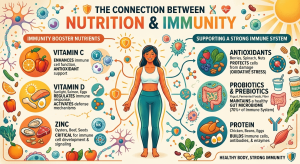
Read: The Connection Between Nutrition and Immunity
Conclusion
Fatigue and low energy can result from many different factors, including poor sleep, unhealthy eating habits, stress, dehydration, lack of exercise, and medical conditions. While occasional tiredness is normal, persistent fatigue should not be ignored. Adopting healthy lifestyle habits and addressing possible underlying causes can help improve energy levels, support better health, and enhance overall quality of life.