Biohacking for Students: Science-Backed Ways to Improve Focus and Memory
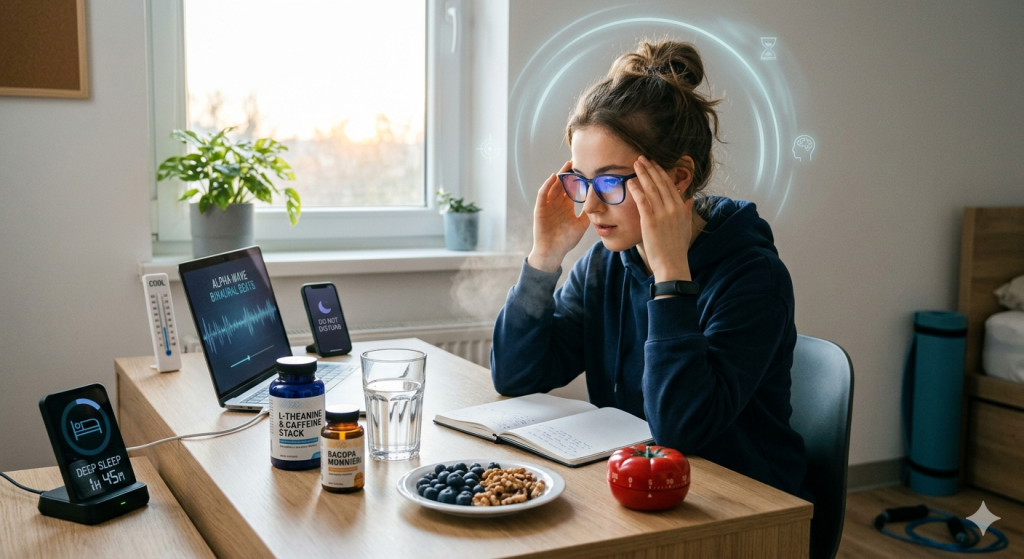
The modern academic environment is more demanding than ever, requiring students to process vast amounts of information while maintaining peak mental clarity. “Biohacking” the practice of using science and self-experimentation to optimize one’s biological performance has moved from Silicon Valley labs to college dorms. For students, this isn’t about expensive gadgets; it’s about fine-tuning the body’s internal systems to maximize cognitive output. By understanding the intersection of nutrition, sleep, and neurology, students can significantly enhance their memory retention and daily focus.
1. The Power of “Sleep Architecture” and Memory Consolidation
Many students view sleep as a luxury, but in the world of biohacking, it is the ultimate cognitive enhancer. During deep sleep and REM cycles, the brain undergoes a process called memory consolidation, where short-term information gathered during a day of lectures is moved into long-term storage. Biohacking your sleep involves more than just getting eight hours; it’s about quality. Using blue-light blocking glasses two hours before bed or maintaining a consistent “cool” room temperature (around 18°C) helps the brain trigger melatonin production. This ensures that when you study, the information actually sticks, preventing the “blank-out” effect often felt during high-stress exams. Learn more
2. Strategic Nutrition: Fueling the Focused Brain
The brain consumes about 20% of the body’s total energy, making your diet a direct factor in your GPA. Student biohacking focuses on “brain foods” that provide steady energy rather than the spikes and crashes of sugary energy drinks. Incorporating Omega-3 fatty acids (found in walnuts and salmon) supports the structural integrity of brain cells, while blueberries contain anthocyanins that have been shown to improve signaling between neurons. Another popular hack is “Intermittent Fasting” or delayed breakfast, which can increase levels of BDNF (Brain-Derived Neurotrophic Factor) a protein that acts like “Miracle-Gro” for your brain, helping you learn new concepts faster.
3. Nootropics and Natural Focus Boosters
Nootropics, often called “smart drugs,” range from common caffeine to specialized herbal extracts. The most effective student hack is the Caffeine + L-Theanine stack. While caffeine provides the alertness, L-Theanine (an amino acid found in green tea) smoothes out the jitters, resulting in a state of “calm focus” perfect for long writing sessions. Additionally, Bacopa Monnieri, an ancient herb, has gained scientific backing for its ability to improve memory acquisition and delayed recall. However, the best biohackers know that supplements only work when the foundation of hydration and nutrition is already solid.
4. Environmental Hacking: The Science of “Deep Work”
Your physical surroundings act as an external hard drive for your brain. Biohacking your environment involves minimizing “cognitive load” the unnecessary information your brain has to process. Using Binaural Beats (audio tracks that play slightly different frequencies in each ear) can help shift your brainwaves into the “Alpha” state, which is associated with relaxed focus and creativity. Furthermore, the Pomodoro Technique (25 minutes of work followed by a 5-minute break) isn’t just a time-management trick; it’s a biological hack that prevents “decision fatigue” and keeps the prefrontal cortex from burning out mid-afternoon.
5. Movement and the “Cognitive Burst”
Sitting for hours in a library can lead to stagnant blood flow and “brain fog.” A simple but powerful biohack is the micro-workout. Engaging in just five minutes of intense movement like jumping jacks or a brisk walk increases heart rate and pumps freshly oxygenated blood to the brain. This movement triggers the release of dopamine and norepinephrine, neurotransmitters that are essential for motivation and mental sharpness. Instead of reaching for a third cup of coffee, a quick burst of physical activity can reset your focus and prepare your mind for another round of intense study.
6. Managing Cortisol: Stress-Proofing the Mind
Chronic stress produces cortisol, a hormone that, in high amounts, can actually shrink the hippocampus, the area of the brain responsible for memory. Biohacking stress involves “Top-Down” regulation through techniques like Box Breathing or physiological sighs (a double inhale followed by a long exhale). These practices instantly signal the nervous system to switch from “Sympathetic” (fight or flight) to “Parasympathetic” (rest and digest). By keeping cortisol levels in check, students can maintain a high “working memory,” allowing them to solve complex problems without the paralyzing effects of exam-day anxiety.
Conclusion: Your Biological Competitive Edge
Biohacking isn’t about working harder; it’s about working smarter by aligning your study habits with your biology. When you treat your brain as a high-performance organ that requires specific fuel, rest, and environmental conditions, academic success becomes a natural byproduct rather than a constant struggle. By implementing these science-backed strategies, you transition from a passive student to an active architect of your own cognitive potential. Start with one or two changes, observe the results, and build a personalized routine that powers your journey toward academic excellence.
Read: Vaping vs. Vitality: The Long-Term Effects of E-Cigarettes on Young Lungs
Key Takeaways
- Prioritize Consolidation: Quality sleep is non-negotiable for moving study material from short-term to long-term memory.
- Stabilize Energy: Swap sugary snacks for Omega-3s and antioxidants to avoid cognitive crashes.
- Optimize Your Stack: Use the Caffeine and L-Theanine combination for steady, jitter-free focus.
- Control Your Environment: Use Alpha-wave audio and timed breaks to manage your brain’s finite energy.
- Move to Think: Use short bursts of physical activity to “reset” your neurotransmitters and clear brain fog.
- Lower the Cortisol: Use breathing techniques to protect your hippocampus from the damaging effects of academic stress.