Understanding Chronic Rhinitis and Its Management
Chronic rhinitis is a long-term condition characterized by inflammation of the nasal passages, leading to persistent symptoms such as nasal congestion, a runny nose, sneezing, and postnasal drip. Unlike acute rhinitis, which typically resolves within a few days or weeks, chronic rhinitis lasts for 12 weeks or longer and can significantly impact daily life, sleep quality, and overall well-being.
Millions of people worldwide experience chronic rhinitis, often without realizing that effective treatment options are available. Understanding the causes, symptoms, and management strategies can help individuals find lasting relief and improve their quality of life.
What Is Chronic Rhinitis?
Rhinitis refers to inflammation or irritation of the lining inside the nose. When symptoms persist for an extended period, the condition is classified as chronic rhinitis.
The inflammation causes the nasal tissues to become swollen and produce excess mucus, leading to symptoms that can range from mildly annoying to severely disruptive. Learn more
Types of Chronic Rhinitis
Allergic Rhinitis
Allergic rhinitis occurs when the immune system overreacts to allergens such as:
- Pollen
- Dust mites
- Pet dander
- Mold spores
- Cockroach allergens
This type of rhinitis is often associated with itchy eyes, sneezing, and seasonal or year-round symptoms.
Non-Allergic Rhinitis
Non-allergic rhinitis produces similar symptoms but is not caused by allergies. Common triggers include:
- Strong odors and perfumes
- Cigarette smoke
- Air pollution
- Weather changes
- Certain medications
- Hormonal fluctuations
- Spicy foods
Non-allergic rhinitis can be more challenging to diagnose because allergy testing is usually negative.
Mixed Rhinitis
Some individuals experience a combination of allergic and non-allergic triggers. This condition is known as mixed rhinitis and may require a more comprehensive treatment approach.
Common Symptoms of Chronic Rhinitis
Symptoms can vary from person to person but often include:
- Persistent nasal congestion
- Runny nose
- Frequent sneezing
- Postnasal drip
- Itchy nose
- Reduced sense of smell
- Sinus pressure
- Chronic throat clearing
- Cough caused by mucus drainage
- Sleep disturbances
Symptoms may fluctuate depending on environmental exposures and underlying causes.
Causes and Risk Factors
Several factors can contribute to the development of chronic rhinitis.
Environmental Allergens
Continuous exposure to allergens can cause ongoing inflammation within the nasal passages.
Irritants
Regular exposure to smoke, chemicals, strong fragrances, and pollutants can irritate the nasal lining.
Structural Abnormalities
Conditions such as a deviated septum or nasal polyps may worsen symptoms by restricting airflow and promoting inflammation.
Hormonal Changes
Pregnancy, thyroid disorders, and hormonal fluctuations can contribute to chronic nasal congestion.
Medication-Induced Rhinitis
Overuse of nasal decongestant sprays can cause rebound congestion, leading to chronic symptoms. Certain blood pressure medications and other drugs may also trigger rhinitis.
Occupational Exposure
People working in environments with dust, chemicals, or airborne particles may be at higher risk for developing chronic rhinitis.
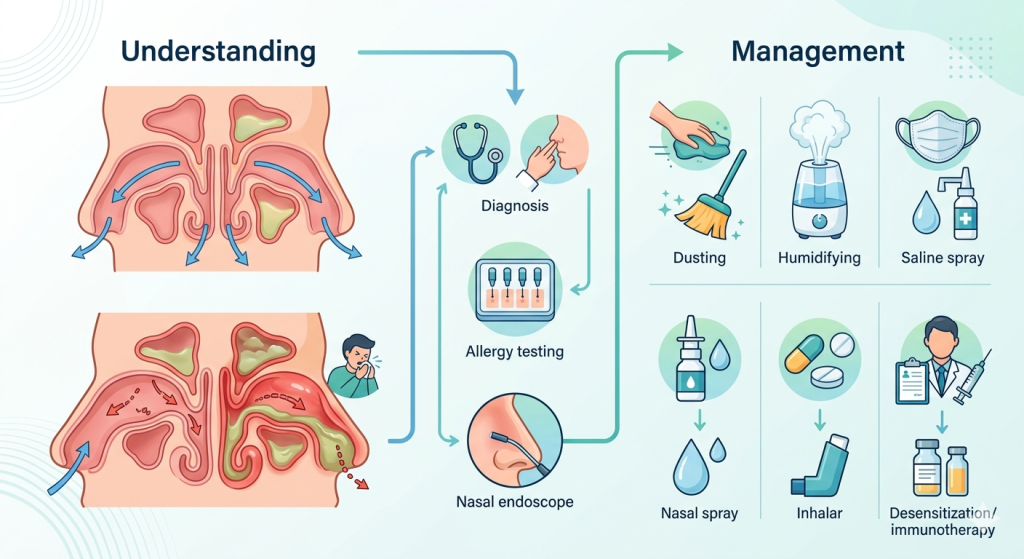
How Chronic Rhinitis Is Diagnosed
A healthcare provider may diagnose chronic rhinitis through:
- Medical history review
- Physical examination
- Allergy testing
- Nasal endoscopy
- Imaging studies if sinus disease is suspected
Proper diagnosis is important because treatment varies depending on the underlying cause.
Effective Management Strategies
Identify and Avoid Triggers
One of the most effective ways to manage chronic rhinitis is to identify factors that worsen symptoms.
Helpful measures include:
- Using allergen-proof bedding covers
- Keeping indoor spaces clean and dust-free
- Avoiding cigarette smoke
- Limiting exposure to strong fragrances
- Using air purifiers when appropriate
Saline Nasal Irrigation
Saline rinses help remove mucus, allergens, and irritants from the nasal passages.
Benefits include:
- Reduced congestion
- Improved nasal moisture
- Better sinus drainage
- Reduced inflammation
Regular saline irrigation is a safe and effective management tool for many individuals.
Medicated Nasal Sprays
Healthcare providers may recommend:
- Corticosteroid nasal sprays
- Antihistamine nasal sprays
- Anticholinergic sprays
These treatments help reduce inflammation and control symptoms when used correctly.
Oral Medications
Depending on the cause, treatment may include:
- Antihistamines
- Decongestants
- Leukotriene modifiers
Always use medications according to professional medical advice.
Allergy Immunotherapy
For individuals with allergic rhinitis, allergy shots or sublingual immunotherapy may help reduce sensitivity to allergens over time.
Manage Indoor Air Quality
Maintaining healthy indoor air can significantly reduce symptom flare-ups.
Consider:
- Using humidifiers when air is dry
- Regularly changing HVAC filters
- Controlling mold growth
- Improving home ventilation
Lifestyle Tips for Long-Term Relief
Stay Hydrated
Adequate hydration helps thin mucus and promotes better drainage from the nasal passages.
Eat an Anti-Inflammatory Diet
Foods rich in antioxidants and omega-3 fatty acids may support overall respiratory health.
Examples include:
- Fatty fish
- Leafy greens
- Citrus fruits
- Berries
- Nuts and seeds
Exercise Regularly
Physical activity supports circulation and may temporarily improve nasal airflow.
Get Adequate Sleep
Quality sleep supports immune function and may help reduce inflammation throughout the body.
When to Seek Medical Attention
Consult a healthcare provider if:
- Symptoms persist despite treatment
- Nasal congestion becomes severe
- You experience recurring sinus infections
- Symptoms interfere with sleep or daily activities
- You notice nasal bleeding or unusual discharge
- You suspect nasal polyps or structural abnormalities
Early intervention can help prevent complications and improve symptom control.
Read: Best Foods to Support Healthy Sinuses and Nasal Passages
Conclusion
Chronic rhinitis is a common condition that causes persistent nasal inflammation, congestion, sneezing, and mucus production. Whether caused by allergies, environmental irritants, structural issues, or other factors, chronic rhinitis can significantly affect daily life if left unmanaged.
Fortunately, effective management strategies such as trigger avoidance, saline nasal irrigation, appropriate medications, and healthy lifestyle habits can help reduce symptoms and improve comfort. By understanding the underlying cause and working with a healthcare provider when needed, individuals can achieve better nasal health and enjoy easier breathing throughout the year.