Best Foods to Support Healthy Sinuses and Nasal Passages
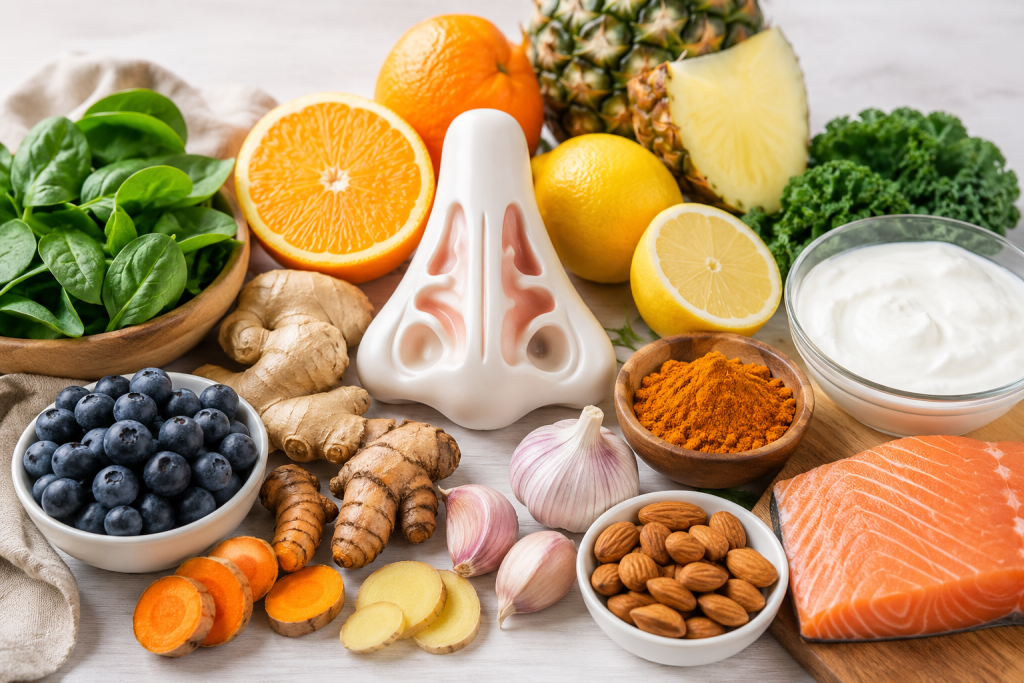
Healthy sinuses and nasal passages play a crucial role in breathing, filtering airborne particles, and protecting the respiratory system from infections. While proper hygiene and medical care are important for maintaining nasal health, your diet can also have a significant impact on sinus function. Certain foods contain nutrients and compounds that help reduce inflammation, support the immune system, thin mucus, and promote overall respiratory wellness.
If you frequently experience sinus congestion, allergies, or recurring sinus infections, incorporating sinus-friendly foods into your diet may help support healthier nasal passages and improve your quality of life.
How Nutrition Affects Sinus Health
The lining of the sinuses and nasal passages can become inflamed due to infections, allergies, environmental irritants, or chronic conditions. Foods rich in vitamins, minerals, antioxidants, and anti-inflammatory compounds can help:
- Strengthen the immune system
- Reduce inflammation in nasal tissues
- Improve mucus drainage
- Support recovery from infections
- Protect against oxidative stress
A balanced diet combined with adequate hydration can contribute to better sinus health over time.
1. Citrus Fruits
Citrus fruits such as oranges, lemons, grapefruits, and tangerines are excellent sources of vitamin C. This powerful antioxidant helps support immune function and may reduce the severity and duration of respiratory infections.
Benefits:
- Supports immune defenses
- Helps fight infections
- Protects nasal tissues from oxidative damage
Adding fresh citrus fruits to your daily meals can provide a natural boost to your respiratory health.
2. Ginger
Ginger contains natural anti-inflammatory and antioxidant compounds that may help reduce swelling in the nasal passages. It has been traditionally used to relieve congestion and support respiratory comfort. Learn more
Benefits:
- Reduces inflammation
- May help ease sinus pressure
- Supports immune function
Enjoy ginger in teas, soups, smoothies, or as a spice in cooking.
3. Garlic
Garlic is known for its antimicrobial properties and immune-supporting effects. It contains compounds such as allicin, which may help the body combat infections that contribute to sinus problems.
Benefits:
- Supports immune health
- May help fight respiratory infections
- Contains natural anti-inflammatory compounds
Adding fresh garlic to meals can be a flavorful way to support sinus wellness.
4. Spicy Foods
Foods containing chili peppers, cayenne pepper, or hot sauces can temporarily help clear nasal congestion. Capsaicin, the active compound in peppers, may stimulate mucus flow and improve nasal drainage.
Benefits:
- Helps open nasal passages
- Promotes mucus clearance
- Provides temporary congestion relief
People with sensitive stomachs should consume spicy foods in moderation.
5. Leafy Green Vegetables
Vegetables such as spinach, kale, and Swiss chard are packed with vitamins, minerals, and antioxidants that support overall immune function and reduce inflammation.
Benefits:
- Rich in vitamins A, C, and K
- Supports tissue repair
- Helps reduce inflammation
Including a variety of leafy greens in your diet can contribute to better respiratory health.
6. Fatty Fish
Salmon, sardines, mackerel, and other fatty fish are rich in omega-3 fatty acids, which are known for their anti-inflammatory effects.
Benefits:
- Helps reduce inflammation throughout the body
- Supports immune function
- May ease chronic sinus inflammation
Aim to include fatty fish in your diet at least twice a week for optimal benefits.
7. Pineapple
Pineapple contains bromelain, an enzyme that may help reduce inflammation and thin mucus. Some studies suggest bromelain may support sinus drainage and improve breathing comfort.
Benefits:
- Supports mucus breakdown
- Helps reduce swelling
- Provides vitamin C for immune support
Fresh pineapple is the best source of bromelain.
8. Turmeric
Turmeric contains curcumin, a compound with powerful anti-inflammatory and antioxidant properties. It may help reduce swelling in the nasal passages and support overall immune health.
Benefits:
- Reduces inflammation
- Supports immune defenses
- May promote respiratory wellness
Turmeric can be added to soups, curries, teas, and smoothies.
9. Yogurt and Probiotic Foods
Probiotic-rich foods such as yogurt, kefir, sauerkraut, and kimchi help support a healthy gut microbiome, which plays an important role in immune function.
Benefits:
- Supports immune health
- May help regulate inflammatory responses
- Promotes overall wellness
Choose products with live and active cultures for maximum probiotic benefits.
10. Water and Hydrating Foods
Hydration is one of the most important factors for healthy sinuses. Drinking enough water helps keep mucus thin and promotes proper sinus drainage.
Hydrating foods include:
- Cucumbers
- Watermelon
- Celery
- Strawberries
- Lettuce
Benefits:
- Prevents thick mucus buildup
- Supports nasal moisture
- Encourages healthy sinus function
Foods That May Worsen Sinus Problems
While many foods support sinus health, some individuals may notice worsening symptoms after consuming certain foods.
Potential triggers include:
- Highly processed foods
- Excessive sugar
- Alcohol
- Foods that trigger personal allergies or sensitivities
- Excessive intake of unhealthy fats
Keeping a food diary may help identify dietary triggers that contribute to sinus discomfort.
Additional Tips for Healthy Sinuses
Along with eating nutritious foods, consider these habits:
- Stay well hydrated throughout the day.
- Avoid smoking and secondhand smoke.
- Use a humidifier when indoor air is dry.
- Practice good hand hygiene to reduce infection risk.
- Manage allergies with appropriate medical guidance.
- Get regular exercise to support circulation and immune health.
Read: Common Causes of Nasal Congestion and How to Relieve It
Conclusion
The foods you eat can significantly influence the health of your sinuses and nasal passages. Nutrient-rich options such as citrus fruits, garlic, ginger, leafy greens, fatty fish, pineapple, and turmeric provide anti-inflammatory and immune-supporting benefits that may help reduce congestion and promote easier breathing. Combined with proper hydration and healthy lifestyle habits, a balanced diet can play an important role in maintaining healthy sinuses and supporting overall respiratory wellness.
By making smart dietary choices, you can help your body naturally defend against sinus issues and enjoy clearer, more comfortable breathing year-round.