Understanding Learning Disabilities in Children
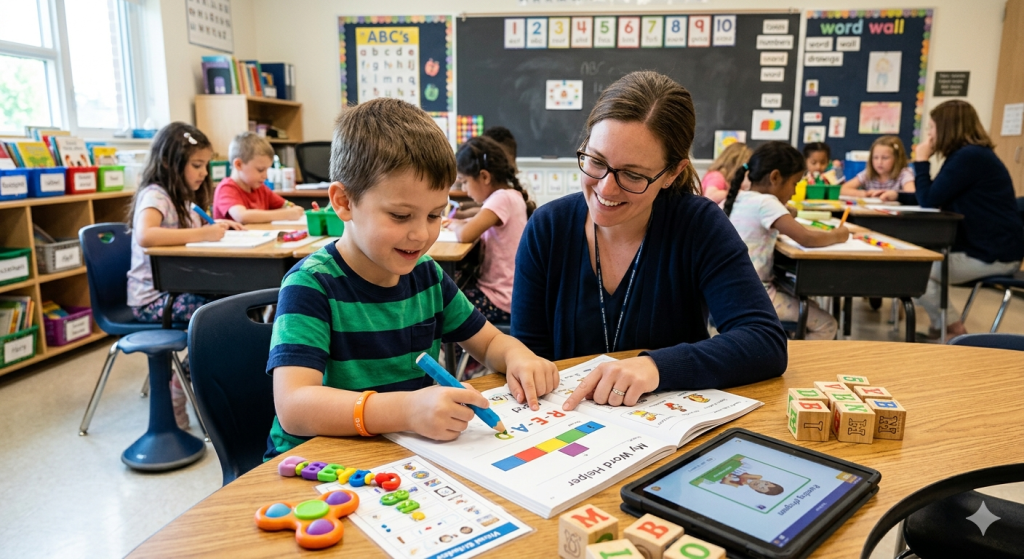
Learning is a vital part of a child’s growth and development. While every child learns at their own pace, some children face ongoing challenges in specific areas of learning despite having normal intelligence and access to education. These challenges may be due to learning disabilities, which affect how the brain processes information. Understanding learning disabilities can help parents, teachers, and caregivers provide the support children need to thrive academically and emotionally.
What Are Learning Disabilities?
Learning disabilities are neurological conditions that affect a child’s ability to receive, process, store, or respond to information. They are not related to intelligence, motivation, or effort. Children with learning disabilities are often just as intelligent as their peers but may struggle with certain academic skills.
Learning disabilities can impact reading, writing, mathematics, language comprehension, organization, memory, and attention. Learn more
Common Types of Learning Disabilities
Dyslexia
Dyslexia primarily affects reading and language processing.
Children with dyslexia may:
- Have difficulty recognizing words
- Read slowly or inaccurately
- Struggle with spelling
- Confuse similar letters or sounds
- Avoid reading activities
Dysgraphia
Dysgraphia affects writing skills.
Children with dysgraphia may:
- Have poor handwriting
- Struggle to organize thoughts on paper
- Experience difficulty with spelling and grammar
- Write slowly and laboriously
Dyscalculia
Dyscalculia affects mathematical abilities.
Children with dyscalculia may:
- Have trouble understanding numbers
- Struggle with basic arithmetic
- Find it difficult to grasp mathematical concepts
- Experience challenges with time management and measurements
Auditory Processing Disorder (APD)
Children with APD have difficulty processing sounds and spoken language despite normal hearing.
They may:
- Struggle to follow verbal instructions
- Frequently ask for repetition
- Have difficulty distinguishing similar sounds
Nonverbal Learning Disability (NVLD)
NVLD affects social and visual-spatial skills.
Children may:
- Have difficulty interpreting body language and facial expressions
- Struggle with coordination and motor skills
- Experience challenges understanding abstract concepts
Signs of Learning Disabilities in Children
Symptoms can vary depending on the child’s age and the type of disability. Some common warning signs include:
Preschool Years
- Delayed speech and language development
- Difficulty learning colors, shapes, or numbers
- Trouble following simple directions
- Problems with fine motor skills
School-Age Children
- Difficulty reading, writing, or doing math
- Poor memory and concentration
- Frequent frustration with schoolwork
- Trouble organizing tasks and materials
- Avoidance of academic activities
- Difficulty understanding instructions
Emotional and Behavioral Signs
Children with learning disabilities may also experience:
- Low self-esteem
- Anxiety about school
- Behavioral problems
- Social withdrawal
- Lack of confidence
Causes of Learning Disabilities
Researchers believe learning disabilities result from differences in brain structure and function. Potential contributing factors include:
- Genetic influences and family history
- Premature birth or low birth weight
- Exposure to toxins during pregnancy
- Brain injuries or neurological conditions
- Complications during pregnancy or childbirth
In most cases, learning disabilities are not caused by poor parenting, lack of motivation, or inadequate teaching.
How Learning Disabilities Are Diagnosed
A comprehensive evaluation is necessary to accurately identify a learning disability. This may involve:
- Medical examinations
- Educational assessments
- Psychological testing
- Speech and language evaluations
- Observations from teachers and parents
Early diagnosis is important because it allows children to receive appropriate interventions before academic difficulties become more severe.
Supporting Children with Learning Disabilities
Early Intervention
The earlier a learning disability is identified, the more effective support strategies can be. Early intervention can significantly improve academic outcomes and self-confidence.
Individualized Education Plans (IEPs)
Many children benefit from individualized educational programs that provide accommodations such as:
- Extra time on tests
- Specialized instruction
- Assistive technology
- Modified assignments
Encourage Strengths
Children with learning disabilities often excel in areas such as:
- Art
- Music
- Sports
- Problem-solving
- Creativity
Focusing on strengths helps build confidence and resilience.
Create a Supportive Home Environment
Parents can help by:
- Establishing consistent routines
- Breaking tasks into smaller steps
- Offering positive reinforcement
- Encouraging open communication
- Working closely with teachers and specialists
Promote Emotional Well-Being
Children with learning disabilities may feel discouraged or different from their peers. Emotional support is just as important as academic support.
Encourage your child to:
- Celebrate progress
- Set realistic goals
- Develop healthy coping skills
- Participate in activities they enjoy
Myths About Learning Disabilities
Myth: Children with learning disabilities are not intelligent.
Fact: Learning disabilities do not affect intelligence. Many children with learning disabilities have average or above-average intelligence.
Myth: Children will simply outgrow learning disabilities.
Fact: Learning disabilities are lifelong conditions, but proper support can help children succeed academically and socially.
Myth: Poor parenting causes learning disabilities.
Fact: Learning disabilities are neurological differences and are not caused by parenting style.
When to Seek Professional Help
Parents should consult a healthcare provider, psychologist, or educational specialist if their child consistently struggles with learning despite receiving appropriate instruction and support. Early assessment can make a significant difference in a child’s academic success and emotional health.
Read: Common Childhood Illnesses and How to Prevent Them
Conclusion
Learning disabilities are common and affect millions of children worldwide. With early identification, personalized support, and a positive environment, children with learning disabilities can achieve academic success and lead fulfilling lives. Understanding these conditions helps parents, educators, and caregivers provide the encouragement and resources children need to reach their full potential. By focusing on strengths and offering targeted assistance, every child can be given the opportunity to learn, grow, and succeed.