Best Mouthwash Practices for Optimal Oral Health
Maintaining good oral hygiene requires more than just brushing and flossing. Mouthwash can be a valuable addition to your daily oral care routine when used correctly. It helps reduce harmful bacteria, freshen breath, strengthen teeth, and support gum health. However, many people are unsure about when to use mouthwash, how often to use it, or which type is best for their needs. Understanding the best mouthwash practices for optimal oral health can help maximize the benefits and improve overall dental hygiene.
While mouthwash is not a replacement for brushing and flossing, it serves as an effective complementary tool that can enhance oral health and reduce the risk of common dental problems.
What Is Mouthwash?
Mouthwash is a liquid oral rinse designed to clean areas of the mouth that brushing and flossing may not fully reach.
Common purposes of mouthwash include:
- Freshening breath
- Reducing bacteria
- Preventing plaque buildup
- Protecting against cavities
- Supporting gum health
- Reducing oral infections
Different types of mouthwash are formulated to address specific oral health concerns.
Benefits of Using Mouthwash
When used properly, mouthwash can offer several advantages.
Key benefits include:
- Improved breath freshness
- Reduced bacterial growth
- Lower risk of gum disease
- Additional cavity protection
- Better plaque control
- Enhanced oral cleanliness
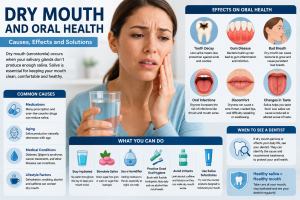
Mouthwash can be particularly helpful for people with braces, dental restorations, or a higher risk of gum problems. Learn more
Types of Mouthwash
Choosing the right mouthwash is essential for achieving the best results.
1. Fluoride Mouthwash
Fluoride mouthwash helps strengthen tooth enamel and reduce cavity risk.
Benefits:
- Strengthens teeth
- Protects against tooth decay
- Supports enamel health
This type is often recommended for people prone to cavities.
2. Antiseptic Mouthwash
Antiseptic mouthwash helps reduce bacteria that contribute to plaque and gum disease.
Benefits:
- Reduces bacterial growth
- Helps prevent gingivitis
- Improves gum health
These products are commonly used for short-term therapeutic purposes.
3. Cosmetic Mouthwash
Cosmetic mouthwash primarily freshens breath.
Benefits:
- Temporary odor control
- Pleasant taste
However, it may not address underlying oral health issues.
4. Natural Mouthwash
Natural mouthwash products often contain herbal ingredients and fewer artificial additives.
Common ingredients:
- Aloe vera
- Tea tree oil
- Peppermint
- Xylitol
Some individuals prefer natural options for daily use.
Best Mouthwash Practices for Optimal Oral Health
Following proper mouthwash techniques can maximize effectiveness.
1. Choose the Right Mouthwash for Your Needs
Not all mouthwashes serve the same purpose.
Consider your goals:
- Cavity prevention → Fluoride mouthwash
- Gum health → Antiseptic mouthwash
- Fresh breath → Cosmetic mouthwash
- Sensitive mouth → Alcohol-free mouthwash
Consulting a dentist can help determine the most suitable option.
2. Brush and Floss First
Mouthwash works best as part of a complete oral hygiene routine.
Recommended sequence:
- Brush teeth
- Floss thoroughly
- Use mouthwash
This allows the rinse to reach cleaner tooth surfaces and gum tissues.
3. Use the Correct Amount
Using more mouthwash does not increase its effectiveness.
General recommendation:
- Follow product instructions
- Usually 15–20 milliliters
- Measure using the cap if provided
Avoid overusing oral rinses.
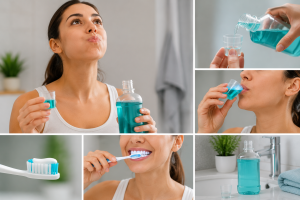
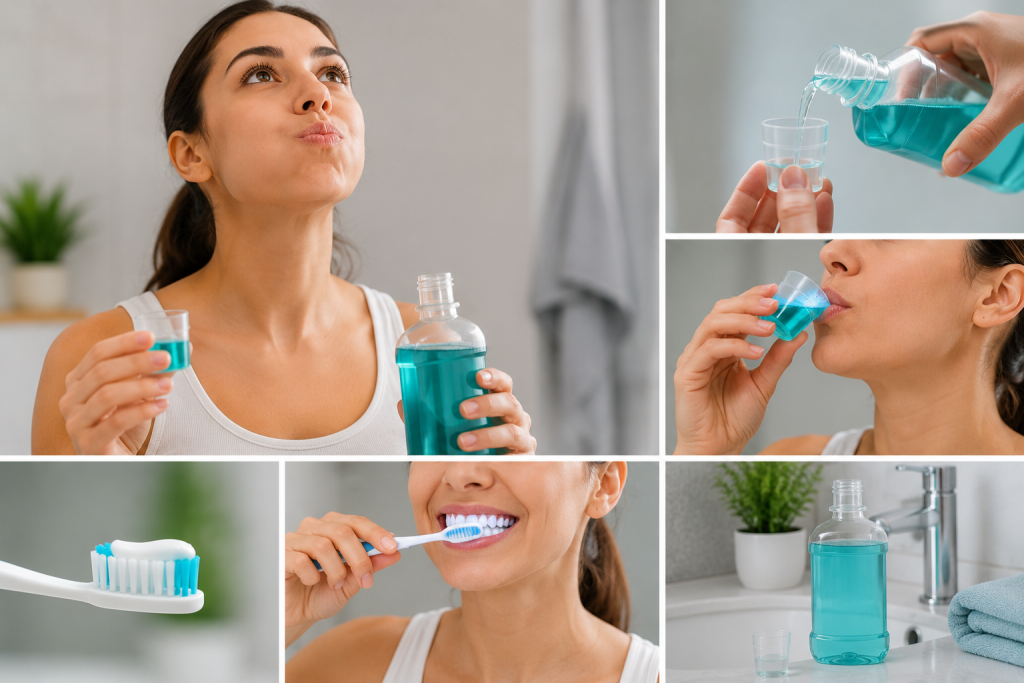
4. Swish Thoroughly
Proper swishing ensures the mouthwash reaches all areas of the mouth.
Tips:
- Swish for 30–60 seconds
- Move liquid between teeth
- Reach all corners of the mouth
Spending adequate time increases effectiveness.
5. Do Not Swallow Mouthwash
Most mouthwash products are designed for rinsing only.
Why swallowing should be avoided:
- May cause stomach irritation
- Some ingredients are not intended for ingestion
- Excess fluoride can be harmful in large amounts
Always spit out the rinse after use.
6. Avoid Eating or Drinking Immediately After Use
Allow the active ingredients time to work.
Recommended waiting period:
- 30 minutes after rinsing
This is especially important for fluoride-containing mouthwashes.
7. Use Mouthwash Consistently
Consistency is important for long-term oral health benefits.
Most adults should:
- Use mouthwash once or twice daily
- Follow product directions
Regular use helps maintain oral hygiene improvements.
Common Mouthwash Mistakes to Avoid
Many people unintentionally reduce the effectiveness of their mouthwash.
Common mistakes include:
- Using mouthwash instead of brushing
- Rinsing too quickly
- Swallowing the product
- Eating immediately afterward
- Choosing the wrong mouthwash type
- Using excessive amounts
Proper technique ensures better results.
Is Alcohol-Free Mouthwash Better?
Many modern mouthwashes are alcohol-free.
Benefits of alcohol-free mouthwash:
- Less irritation
- Better for sensitive mouths
- Reduced dry mouth risk
- Suitable for long-term use
People with dry mouth often benefit from alcohol-free formulas.
Mouthwash and Gum Disease Prevention
Gum disease is one of the most common oral health problems.
Mouthwash may help:
- Reduce plaque
- Lower bacterial levels
- Decrease gum inflammation
- Support healthy gums
However, it should be combined with brushing and flossing for maximum effectiveness.
Mouthwash and Bad Breath
Bad breath can result from bacteria, food particles, and poor oral hygiene.
Mouthwash helps by:
- Killing odor-causing bacteria
- Removing debris
- Freshening breath temporarily
Persistent bad breath may require professional evaluation.
Mouthwash for Children
Children may also benefit from mouthwash when used appropriately.
Important considerations:
- Follow age recommendations
- Supervise use
- Teach children not to swallow
Parents should consult a dentist before introducing mouthwash to young children.
Mouthwash for People with Braces
Braces create additional spaces where plaque can accumulate.
Benefits for orthodontic patients:
- Improved cleaning around brackets
- Reduced cavity risk
- Better gum protection
Fluoride mouthwash is often recommended during orthodontic treatment.
Additional Tips for Optimal Oral Health
Mouthwash works best alongside other healthy habits.
Maintain:
- Twice-daily brushing
- Daily flossing
- Regular dental checkups
- Healthy nutrition
- Adequate hydration
- Limited sugary foods
A complete oral care routine offers the greatest protection.
When to See a Dentist
Seek professional advice if you experience:
- Persistent bad breath
- Bleeding gums
- Tooth sensitivity
- Frequent cavities
- Mouth sores
- Gum swelling
These symptoms may indicate underlying dental problems.
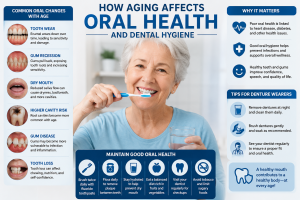
Read: How Aging Affects Oral Health and Dental Hygiene
Final Thoughts
Understanding the best mouthwash practices for optimal oral health can help you get the most benefit from this valuable oral hygiene tool. While mouthwash is not a substitute for brushing and flossing, it can effectively reduce bacteria, freshen breath, strengthen teeth, and support gum health when used correctly. Choosing the right mouthwash, following proper rinsing techniques, and maintaining a consistent oral care routine can contribute significantly to a healthier smile and improved overall oral wellness.