The Benefits of Tracking Your Daily Expenses
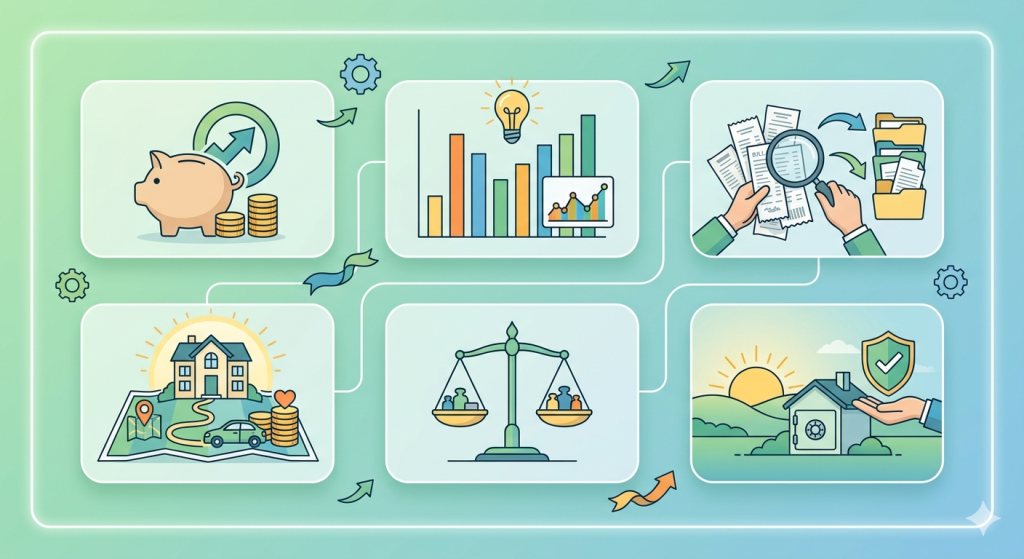
Tracking daily expenses is one of the simplest yet most powerful financial habits a person can develop. It involves recording everything you spend money on, no matter how small the amount may seem. Many people underestimate the importance of this habit, but it plays a major role in improving financial stability, reducing wasteful spending, and helping individuals achieve their financial goals.
In today’s world, where money is spent quickly through cash, cards, and mobile payments, it is easy to lose track of spending. Without proper monitoring, people often wonder where their money goes at the end of the month. This is why tracking daily expenses is essential.
What Is Expense Tracking?
Expense tracking is the process of recording and monitoring all financial spending on a daily basis. This can be done using:
- A notebook or diary
- Mobile apps
- Spreadsheets
- Budgeting tools
The goal is to have a clear picture of how money is being used. Learn more
Better Control of Your Finances
One of the biggest benefits of tracking daily expenses is gaining full control over your money. When you know exactly where your money goes, you can make better financial decisions.
Many people spend money without thinking, especially on small daily purchases like snacks, transport, or entertainment. Over time, these small expenses add up. Tracking helps identify unnecessary spending and allows you to take control.
Helps You Create a Realistic Budget
A budget is only effective when it is based on accurate spending information. Tracking daily expenses helps you understand your spending habits, making it easier to create a realistic and achievable budget.
For example, if you notice that you spend more on food than expected, you can adjust your budget accordingly. This helps you avoid overspending and stay within your financial limits.
Reduces Unnecessary Spending
When people start tracking their expenses, they often become more conscious of how they spend money. This awareness naturally leads to reduced impulse buying and unnecessary purchases.
You begin to ask yourself questions like:
- Do I really need this?
- Can I delay this purchase?
- Is this worth the cost?
This habit helps you prioritize needs over wants and saves money in the long run.
Helps You Save More Money
Expense tracking makes it easier to identify areas where money is being wasted. Once you reduce unnecessary spending, you can redirect that money into savings.
Saving becomes more consistent because you have a clear understanding of your income and expenses. This can help you build an emergency fund or save for future goals like education, travel, or investment.
Encourages Financial Discipline
Tracking expenses requires consistency and honesty. Over time, this builds financial discipline. You become more responsible with money and more mindful of your financial decisions.
Financial discipline is important for long-term success because it helps you avoid debt and manage your resources effectively.
Helps You Identify Spending Patterns
Expense tracking allows you to see patterns in your financial behavior. You may notice that you spend more on weekends, entertainment, or online shopping.
Once you identify these patterns, you can make adjustments to improve your financial habits. This awareness is key to long-term financial improvement.
Reduces Financial Stress
Many people experience stress because they are unsure about their financial situation. Tracking expenses gives clarity and reduces anxiety about money.
When you know exactly how much you earn and spend, you feel more confident and in control of your finances.
Helps in Achieving Financial Goals
Whether your goal is to save money, pay off debt, or invest, tracking expenses helps you stay on track. It ensures that your spending aligns with your financial goals.
For example:
- If you want to save for a car, tracking helps you reduce unnecessary expenses
- If you want to clear debt, it helps you allocate more money toward repayment
Supports Emergency Preparedness
Unexpected expenses can occur at any time. By tracking your daily expenses, you can identify opportunities to save and build an emergency fund.
This financial cushion can help you handle situations like medical emergencies, job loss, or urgent repairs without stress.
Read: The Importance of Setting Financial Goals
Conclusion
Tracking daily expenses is a simple habit with powerful financial benefits. It helps you gain control over your money, reduce unnecessary spending, improve budgeting, and achieve financial goals faster. It also promotes financial discipline and reduces stress by giving you a clear understanding of your financial situation. By consistently tracking your expenses, you can build stronger financial habits and move toward long-term financial stability and success.