The Importance of Early Detection in Disease Treatment
Early detection plays a vital role in modern healthcare. It involves identifying diseases or medical conditions at an early stage before symptoms become severe or complications develop. Detecting illnesses early often increases the chances of successful treatment, reduces healthcare costs, and improves overall quality of life. Many serious diseases, including cancer, diabetes, hypertension, and heart disease, can be managed more effectively when discovered early.
Health experts encourage regular medical checkups, screenings, and awareness of warning signs because early intervention can save lives and prevent long-term health problems.
What Is Early Detection?
Early detection refers to finding a disease before it progresses to an advanced stage. In many cases, certain illnesses develop slowly and may not show obvious symptoms in the beginning. Medical screenings and routine examinations help doctors identify these conditions before they become dangerous. Learn more
Examples of early detection methods include:
- Blood pressure checks
- Blood sugar testing
- Cancer screenings
- Cholesterol tests
- Eye examinations
- Routine laboratory tests
These preventive measures help healthcare professionals diagnose and treat diseases promptly.
Benefits of Early Disease Detection
Increased Chances of Successful Treatment
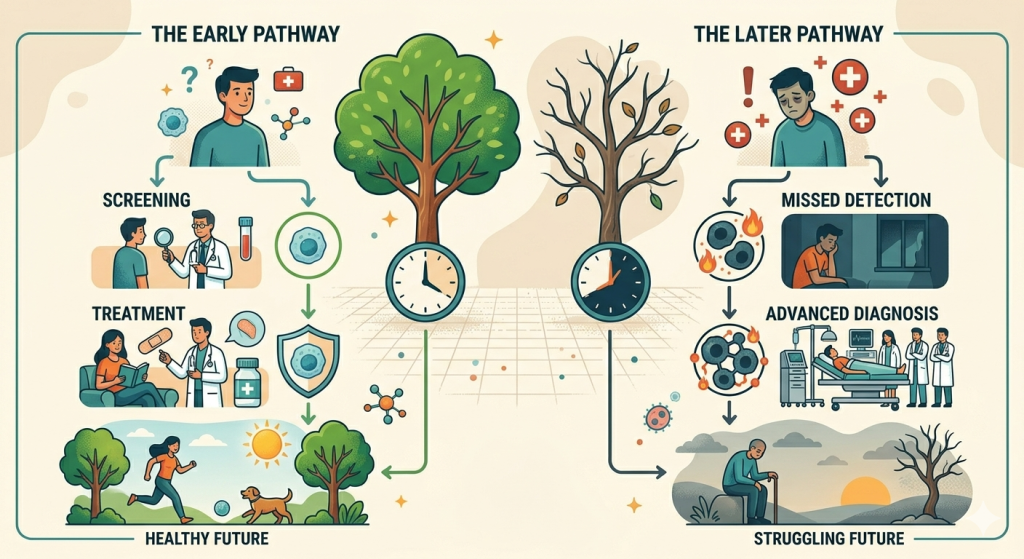
One of the greatest advantages of early detection is that treatment is often more effective during the early stages of disease. Conditions that are diagnosed early may require less aggressive treatment and have higher recovery rates.
For example, early-stage cancer is usually easier to treat than cancer that has spread to other parts of the body.
Reduced Risk of Complications
When diseases are left untreated, they can lead to severe complications that affect multiple organs and body systems. Early treatment helps slow or stop disease progression, reducing the risk of long-term damage.
For instance:
- Early treatment of hypertension can help prevent stroke and heart failure.
- Managing diabetes early can reduce the risk of kidney disease and vision problems.
Lower Healthcare Costs
Treating advanced diseases is often more expensive than managing conditions in their early stages. Early detection can reduce hospital visits, surgeries, and long-term medication costs.
Preventive healthcare not only benefits individuals but also reduces the financial burden on families and healthcare systems.
Improved Quality of Life
People diagnosed early often experience better health outcomes and can continue daily activities with fewer limitations. Early treatment may reduce pain, discomfort, and emotional stress associated with severe illness.
Maintaining good health also supports productivity, relationships, and overall well-being.
Common Diseases That Benefit From Early Detection
Cancer
Many forms of cancer can be treated successfully when detected early. Screening tests such as mammograms, Pap smears, prostate examinations, and colon cancer screenings help identify abnormalities before symptoms appear.
Diabetes
Early diagnosis of diabetes allows individuals to control blood sugar levels through diet, exercise, medication, and lifestyle changes. Proper management can prevent serious complications.
Hypertension
High blood pressure is often called a “silent killer” because it may not cause noticeable symptoms. Regular blood pressure checks can help detect hypertension early and reduce the risk of heart disease and stroke.
Heart Disease
Routine cholesterol tests, blood pressure monitoring, and healthy lifestyle assessments help identify people at risk for cardiovascular diseases before major complications occur.
The Role of Regular Health Checkups
Regular medical checkups are essential for early disease detection. Many people avoid hospital visits when they feel healthy, but preventive care can uncover hidden health problems.
Health professionals recommend:
- Annual medical examinations
- Routine blood tests
- Age-appropriate screenings
- Vaccinations
- Monitoring family medical history
These steps help individuals stay informed about their health status.
Lifestyle Habits That Support Prevention
In addition to screenings, healthy lifestyle choices can reduce the risk of many diseases. Important habits include:
- Eating a balanced diet
- Exercising regularly
- Avoiding smoking
- Limiting alcohol intake
- Managing stress
- Getting enough sleep
Combining healthy habits with regular medical care creates a strong foundation for long-term wellness.
Challenges to Early Detection
Some people delay medical care due to fear, lack of awareness, financial difficulties, or limited access to healthcare services. In some communities, misinformation and cultural beliefs may also prevent individuals from seeking timely medical attention.
Improving health education and access to affordable healthcare can help encourage early diagnosis and treatment.
Read: Common Causes of Fatigue and Low Energy
Conclusion
Early detection is one of the most effective ways to improve health outcomes and reduce the impact of disease. Identifying illnesses in their early stages increases treatment success, lowers healthcare costs, and helps prevent serious complications. Through regular checkups, screenings, and healthy lifestyle choices, individuals can protect their health and improve their quality of life. Prioritizing preventive healthcare is an important step toward building healthier communities and reducing the burden of disease.