The Role of Nutrition in Preventing Disease
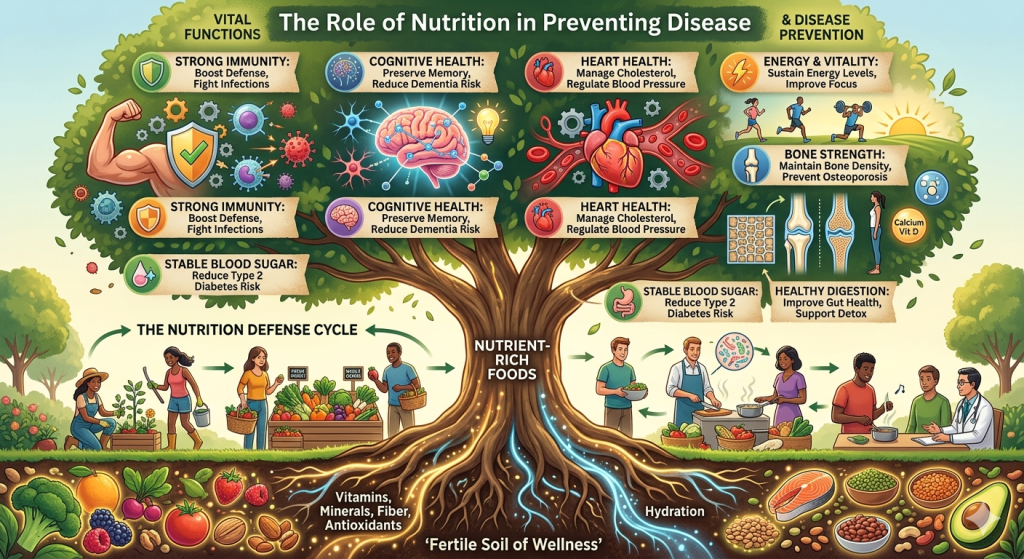
Nutrition plays a fundamental role in maintaining good health and preventing many chronic and infectious diseases. The food we eat provides the body with essential nutrients needed for energy, growth, repair, and immune function. When nutrition is poor, the body becomes weak and more vulnerable to illnesses.
A balanced diet is one of the most effective and natural ways to protect the body against diseases and promote long-term well-being.
What Is Nutrition?
Nutrition refers to the process of obtaining and using food for growth, energy, and body maintenance. It involves consuming essential nutrients such as carbohydrates, proteins, fats, vitamins, minerals, and water in the right amounts.
Good nutrition ensures that every system in the body functions properly, including the immune system, which defends against disease. Learn more
How Nutrition Helps Prevent Disease
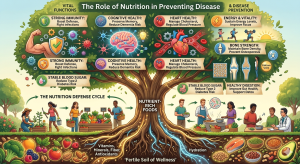
1. Strengthens the Immune System
A strong immune system is the body’s first line of defense against infections.
Key nutrients for immunity:
- Vitamin C (oranges, lemons, berries)
- Vitamin D (sunlight, eggs, fish)
- Zinc (nuts, beans, meat)
- Protein (fish, eggs, legumes)
These nutrients help the body fight bacteria, viruses, and other pathogens.
2. Reduces the Risk of Chronic Diseases
Poor eating habits can lead to chronic diseases such as diabetes, heart disease, and obesity.
Healthy nutrition helps:
- Control blood sugar levels
- Reduce cholesterol
- Maintain healthy blood pressure
- Support healthy body weight
Eating whole foods instead of processed foods lowers long-term health risks.
3. Supports Digestive Health
A healthy digestive system is essential for nutrient absorption and disease prevention.
Important dietary components:
- Fiber-rich foods (fruits, vegetables, whole grains)
- Probiotics (yogurt, fermented foods)
- Adequate water intake
These help prevent constipation, inflammation, and gut-related diseases.
4. Promotes Healthy Growth and Development
Proper nutrition is especially important for children and adolescents.
Benefits include:
- Strong bones and teeth
- Proper brain development
- Healthy muscle growth
- Improved concentration and learning ability
Malnutrition during early life can lead to long-term health problems.
5. Helps Maintain a Healthy Weight
Being overweight or underweight increases the risk of disease.
Balanced diet benefits:
- Prevents obesity-related conditions
- Supports metabolism
- Maintains energy levels
- Reduces strain on organs like the heart and liver
Essential Nutrients and Their Health Benefits
Carbohydrates
Provide energy for daily activities.
Proteins
Help repair tissues and build muscles.
Fats
Support brain function and hormone production (healthy fats only).
Vitamins and Minerals
Support immunity, bone health, and metabolic functions.
Water
Regulates body temperature and removes toxins.
Foods That Help Prevent Disease
Fruits and Vegetables
- Rich in vitamins, antioxidants, and fiber
- Help reduce inflammation and strengthen immunity
Whole Grains
- Support heart health and digestion
- Provide long-lasting energy
Lean Proteins
- Help build and repair body tissues
- Strengthen the immune system
Healthy Fats
- Found in fish, nuts, and olive oil
- Support brain and heart health
Foods That Increase Disease Risk
- Processed foods
- Sugary drinks
- Excess salt and unhealthy fats
- Fast food and junk food
- Excessive alcohol consumption
These foods can contribute to obesity, diabetes, and heart disease.
Nutrition and Disease Prevention Across Life Stages
Children
Supports growth, brain development, and immunity.
Adults
Maintains energy, productivity, and reduces chronic disease risk.
Elderly
Helps strengthen bones, immunity, and overall vitality.
Tips for Better Nutrition
- Eat a balanced diet with all food groups
- Include fruits and vegetables in every meal
- Drink enough water daily
- Limit sugar, salt, and processed foods
- Practice portion control
- Eat at regular times
Read: Childhood Eczema: Causes, Symptoms, and Relief Tips
Conclusion
Nutrition is a powerful tool for preventing disease and maintaining good health. A balanced diet strengthens the immune system, supports organ function, and reduces the risk of both chronic and infectious diseases.
By making healthy food choices every day, individuals can improve their quality of life and build a strong foundation for long-term wellness.