The Benefits of Drinking More Water for Overall Health
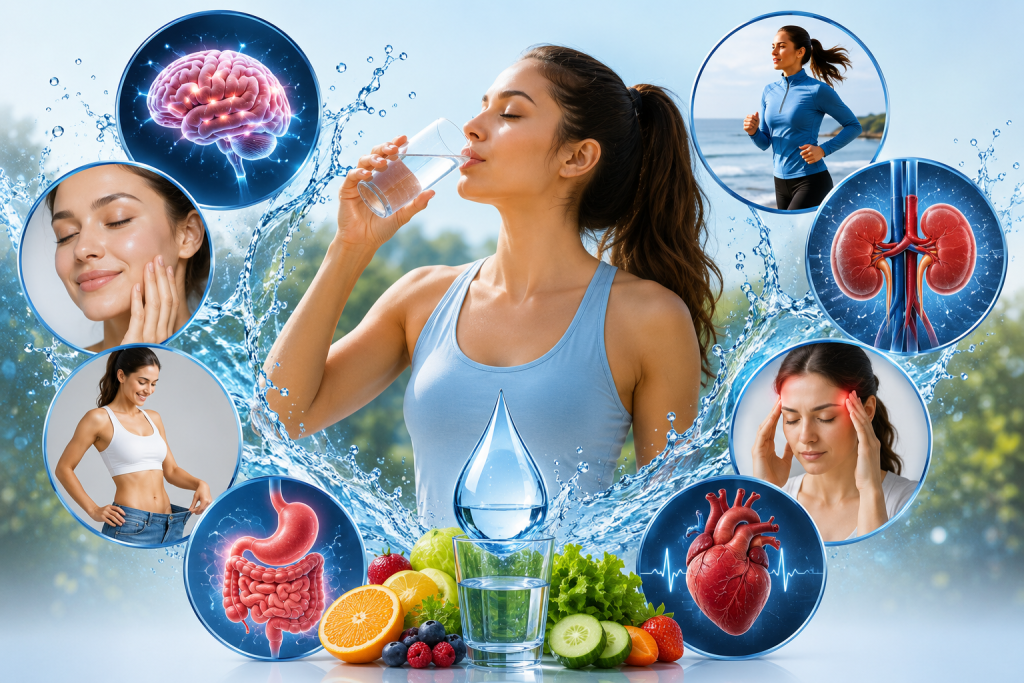
Water is essential for life. Every cell, tissue, and organ in the human body depends on water to function properly. Despite its importance, many people do not drink enough water daily, leading to dehydration and various health problems. Increasing water intake is one of the simplest and most effective ways to improve overall health, boost energy, and support the body’s natural processes.
From improving digestion to enhancing brain function and maintaining healthy skin, drinking enough water provides countless benefits for both physical and mental wellbeing.
Why Water Is Important for the Body
The human body is made up of approximately 60% water. Water plays a vital role in many essential functions, including:
- Regulating body temperature
- Transporting nutrients and oxygen
- Removing waste products
- Lubricating joints
- Supporting digestion
- Maintaining healthy skin
- Protecting organs and tissues
Without enough water, the body cannot perform these functions efficiently. Learn more
Health Benefits of Drinking More Water
1. Improves Hydration and Energy Levels
One of the most immediate benefits of drinking water is improved hydration. Even mild dehydration can cause:
- Fatigue
- Weakness
- Dizziness
- Low energy levels
Proper hydration helps the body maintain energy throughout the day and improves physical performance during exercise and daily activities.
2. Supports Brain Function
The brain relies heavily on proper hydration to function effectively. Lack of water can affect:
- Concentration
- Memory
- Mood
- Alertness
Studies show that dehydration may lead to headaches, reduced cognitive performance, and difficulty focusing. Drinking enough water helps keep the brain active and mentally sharp.
3. Promotes Healthy Digestion
Water is essential for healthy digestion and proper bowel movement. It helps break down food and allows nutrients to be absorbed more efficiently.
Adequate water intake can help:
- Prevent constipation
- Support gut health
- Reduce bloating
- Improve digestion
Warm water, especially in the morning, may also help stimulate digestion naturally.
4. Helps Maintain Healthy Skin
Hydration plays a major role in skin health. Drinking enough water can help the skin appear:
- More radiant
- Softer
- Smoother
- Healthier
Although water alone is not a cure for skin conditions, staying hydrated supports skin elasticity and may reduce dryness.
5. Supports Weight Management
Drinking water may help with weight control by reducing unnecessary snacking and supporting metabolism.
Water can:
- Increase feelings of fullness
- Reduce sugary drink consumption
- Support calorie control
- Improve fat metabolism
Drinking water before meals may also help prevent overeating.
6. Regulates Body Temperature
Water helps the body maintain a stable internal temperature through sweating and respiration. During hot weather or physical activity, proper hydration is especially important to prevent overheating and heat exhaustion.
7. Protects Kidney Health
The kidneys depend on water to filter waste products and toxins from the blood. Insufficient hydration may increase the risk of:
- Kidney stones
- Urinary tract infections
- Kidney problems
Drinking enough water supports healthy urine production and proper kidney function.
8. Improves Physical Performance
Muscles and joints function better when the body is properly hydrated. Water helps lubricate joints and transport nutrients to muscles.
Athletes and active individuals who stay hydrated often experience:
- Better endurance
- Reduced muscle cramps
- Faster recovery
- Improved exercise performance
9. Helps Prevent Headaches
Dehydration is a common trigger for headaches and migraines. Increasing water intake may help reduce the frequency and severity of dehydration-related headaches.
People who frequently experience headaches should consider monitoring their daily water intake.
10. Supports Heart Health
Proper hydration helps maintain healthy blood circulation. When the body lacks water, the heart must work harder to pump blood efficiently.
Drinking enough water may help:
- Support normal blood pressure
- Improve circulation
- Reduce strain on the cardiovascular system
Signs You May Not Be Drinking Enough Water
Many people do not realize they are mildly dehydrated. Common signs include:
- Dry mouth
- Dark yellow urine
- Fatigue
- Headaches
- Dizziness
- Dry skin
- Constipation
- Increased thirst
Recognizing these symptoms early can help prevent more serious dehydration.
How Much Water Should You Drink Daily?
Water needs vary depending on age, activity level, climate, and overall health. However, general recommendations suggest:
- Men: About 3.7 liters daily
- Women: About 2.7 liters daily
This includes water from beverages and foods.
People who exercise frequently, live in hot climates, or are ill may need more water.
Tips to Drink More Water Every Day
Carry a Reusable Water Bottle
Having water nearby makes it easier to drink consistently throughout the day.
Set Hydration Reminders
Phone reminders or hydration apps can help build healthy habits.
Eat Water-Rich Foods
Fruits and vegetables like watermelon, cucumber, oranges, and lettuce contain high amounts of water.
Replace Sugary Drinks
Switching from soda and sugary beverages to water can improve overall health and reduce calorie intake.
Drink Water Before Meals
This habit can improve hydration and help control appetite.
Can You Drink Too Much Water?
Although rare, excessive water intake can lead to a condition called water intoxication or hyponatremia, where sodium levels become dangerously low. This usually occurs only when extremely large amounts of water are consumed in a short period.
For most people, focusing on consistent moderate hydration is safe and beneficial.
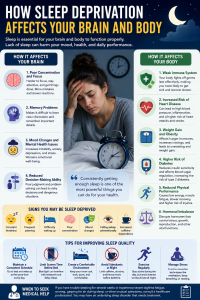
Read: How Sleep Deprivation Affects Your Brain and Body
Conclusion
Drinking more water is one of the easiest ways to improve overall health. Proper hydration supports brain function, digestion, skin health, kidney function, physical performance, and heart health. It also helps maintain energy levels and may reduce the risk of various health problems.
Making water a daily priority can lead to noticeable improvements in both physical and mental wellbeing. Small changes in hydration habits today can have long-term benefits for a healthier future.