The Dangers of Self-Medication and Antibiotic Misuse
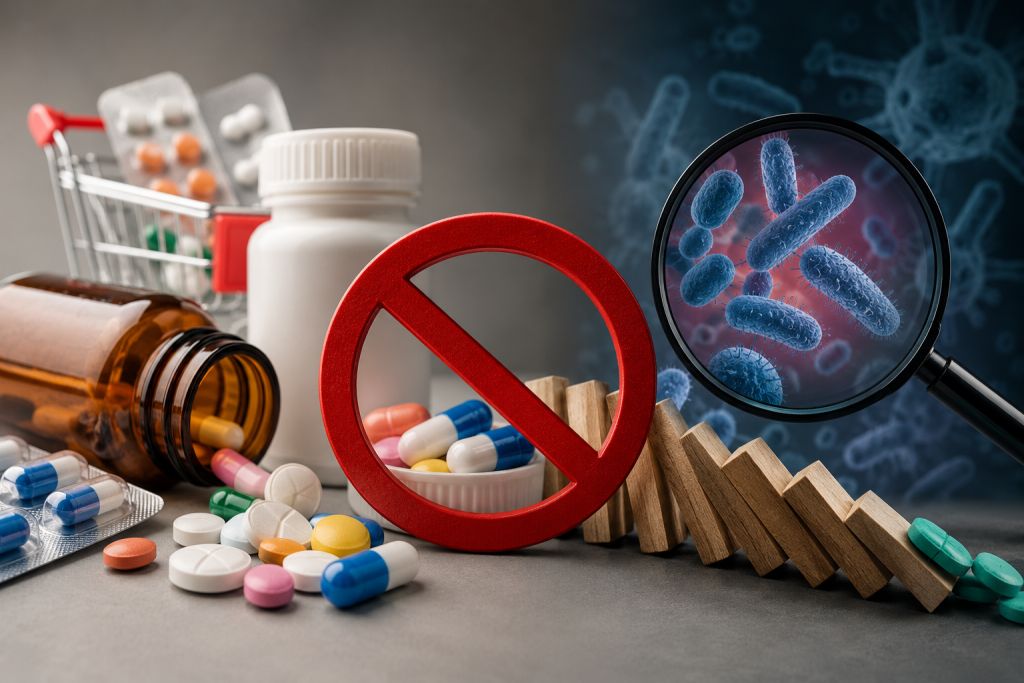
In today’s fast-paced world, many people turn to self-medication as a quick solution for common illnesses. From headaches and coughs to fever and infections, it is easy to buy medicines without proper medical advice. While this may seem convenient and affordable, self-medication especially the misuse of antibiotics can have serious consequences for both individuals and society.
The growing misuse of antibiotics has become a global health concern. Many people take antibiotics without prescriptions, stop treatment too early, or use the wrong medication for illnesses that do not require antibiotics at all. These habits can lead to dangerous health complications and increase the risk of antibiotic resistance.
What Is Self-Medication?
Self-medication refers to the practice of using medicines without professional medical guidance. This may include:
- Taking drugs based on previous prescriptions
- Using leftover medicines at home
- Buying medications without consulting a doctor
- Following advice from friends or family members
- Using internet information for self-treatment
Although over-the-counter medicines can help treat minor conditions safely, improper use of stronger medications can become harmful. Learn more
Understanding Antibiotics
Antibiotics are medicines used to treat bacterial infections. They work by killing bacteria or stopping them from growing. Common bacterial infections treated with antibiotics include:
- Pneumonia
- Urinary tract infections
- Strep throat
- Certain skin infections
However, antibiotics do not work against viral infections such as:
- Common cold
- Flu
- Most sore throats
- COVID-19
- Viral coughs
Despite this fact, many people still misuse antibiotics for viral illnesses, believing they will speed up recovery.
Common Forms of Antibiotic Misuse
1. Taking Antibiotics Without Prescription
Many individuals buy antibiotics directly from pharmacies without medical advice. Without proper diagnosis, the chosen medication may not be suitable for the illness.
2. Stopping Treatment Too Early
Some people stop taking antibiotics once they feel better. This can leave some bacteria alive, allowing the infection to return stronger than before.
3. Sharing Antibiotics With Others
Using someone else’s prescription can be dangerous because the dosage and type of antibiotic may not match the condition.
4. Using Leftover Antibiotics
Old medications may no longer be effective or appropriate for new symptoms. Different infections require different treatments.
5. Incorrect Dosage
Taking too little may not kill bacteria completely, while taking too much can increase the risk of side effects and toxicity.
The Major Dangers of Self-Medication
Antibiotic Resistance
One of the biggest dangers of antibiotic misuse is antibiotic resistance. This happens when bacteria adapt and become resistant to the medicines designed to kill them.
As a result:
- Infections become harder to treat
- Stronger and more expensive drugs are needed
- Hospital stays become longer
- The risk of death increases
Antibiotic-resistant infections are now considered one of the greatest threats to global public health.
Delayed Proper Treatment
Self-medication can hide symptoms of serious illnesses. Instead of treating the root cause, it may only provide temporary relief, allowing the disease to worsen over time.
For example, persistent fever or pain may indicate a serious infection or underlying condition that requires medical attention.
Dangerous Side Effects
Improper use of medicines can cause side effects such as:
- Allergic reactions
- Stomach ulcers
- Liver damage
- Kidney problems
- Dizziness and weakness
Some drug interactions can even become life-threatening.
Wrong Diagnosis
Without proper testing, people may treat themselves for the wrong illness. What appears to be a simple infection may actually be malaria, typhoid, or another serious disease requiring different treatment.
Increased Healthcare Costs
While self-medication may seem cheaper initially, complications caused by misuse often lead to expensive hospital treatments later.
Why Antibiotic Resistance Matters
Antibiotic resistance affects everyone, not just those who misuse medications. Resistant bacteria can spread from person to person, making common infections more difficult to control.
Medical procedures such as surgeries, cancer treatments, and organ transplants also become riskier because antibiotics may no longer effectively prevent infections.
If antibiotic resistance continues to rise, many diseases that are currently treatable could become deadly again.
How to Prevent Self-Medication and Antibiotic Misuse
Consult Healthcare Professionals
Always seek advice from qualified doctors or pharmacists before taking medications.
Complete Prescribed Treatment
Even if symptoms improve, finish the full course of antibiotics exactly as prescribed.
Avoid Sharing Medicines
Prescription medications are designed for individual patients and specific conditions.
Do Not Demand Antibiotics
Doctors may not prescribe antibiotics if the illness is viral. Trust professional medical judgment.
Read Medication Instructions Carefully
Follow dosage instructions properly to avoid overdose or ineffective treatment.
Improve Health Awareness
Public education about antibiotics and medication safety can help reduce misuse.
The Role of Governments and Healthcare Systems
Governments and healthcare organizations also play a major role in controlling antibiotic misuse by:
- Regulating drug sales
- Promoting public health campaigns
- Encouraging responsible prescribing practices
- Supporting research for new antibiotics
Community awareness programs are essential in helping people understand the long-term dangers of improper medication use.
Read: The Rise of Cashless Societies: Benefits and Risks
Conclusion
Self-medication and antibiotic misuse may appear harmless, but they can lead to serious health risks, including antibiotic resistance, treatment failure, and dangerous side effects. Antibiotics are powerful medicines that should only be used under professional guidance.
Protecting your health involves making informed decisions, following medical advice, and using medications responsibly. By avoiding unnecessary antibiotics and practicing safe medication habits, individuals can help preserve the effectiveness of life-saving drugs for future generations.