Hantavirus: What It Is, How It Spreads, and Why It’s Back in the Headlines
Health & Wellness | May 2026
You may have seen the word “hantavirus” trending online this week and wondered whether it’s something you need to worry about. Between the cruise ship outbreak making international news and social media doing what it does best amplifying fear, it’s worth slowing down and actually understanding what this virus is, how it behaves, and what the real risks look like for everyday people.
Let’s break it down.
What Exactly Is Hantavirus?
Hantavirus isn’t new. It’s a family of viruses that has been around for decades, carried silently by rodents primarily mice and rats that show no signs of illness themselves. The name comes from the Hantaan River in Korea, where the virus was first formally identified.
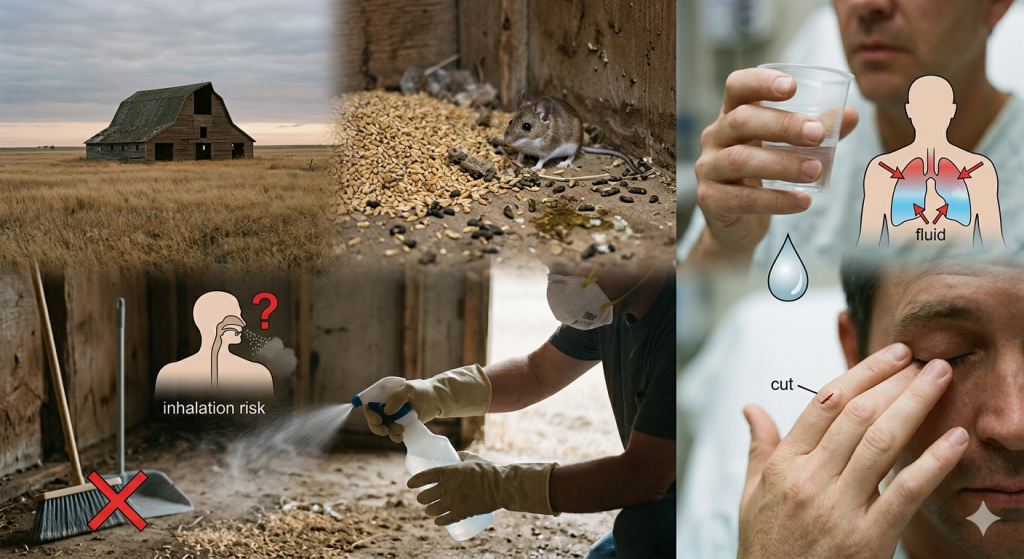
When those infected rodents shed the virus through their urine, droppings, and saliva, and those particles get disturbed say, during a cleaning session in an old shed or a dusty cabin, the virus can become airborne and find its way into human lungs. That’s typically how people get infected: not by being bitten, but just by breathing in the wrong place at the wrong time.In the United States, the deer mouse is the most common carrier. Most infections occur in states west of the Mississippi River, though the virus has been identified across the country. Learn more
The Two Main Diseases It Causes
Hantavirus doesn’t cause just one illness. Depending on the strain involved and where in the world you are, it can lead to two very different and both serious conditions:
Hantavirus Pulmonary Syndrome (HPS) This is the form seen in North and South America. It attacks the lungs. What begins as a standard flu-like illness can turn into a medical emergency within days as fluid builds up in the lungs, making it extremely difficult to breathe. It is the form currently linked to the cruise ship outbreak in the news.
Hemorrhagic Fever with Renal Syndrome (HFRS) More common in Europe and Asia, this form goes after the kidneys and blood vessels. Symptoms can include low blood pressure, bleeding disorders, and kidney failure. Recovery can take weeks to months, and in severe cases particularly with the Hantaan and Dobrava strains fatality rates can reach 5 to 15%.
What’s Happening Right Now: The 2026 Cruise Ship Outbreak
Here’s the situation that’s put hantavirus back in global conversation.
In early May 2026, the CDC and WHO confirmed a cluster of hantavirus cases aboard a Dutch-flagged polar expedition cruise ship sailing from Argentina toward the Canary Islands. The specific strain involved is the Andes virus and that detail matters a great deal, because the Andes virus is the only known type of hantavirus that can spread from person to person.
As of early May 2026, seven cases had been identified, with three deaths confirmed, one critically ill patient evacuated to South Africa, and additional passengers being monitored across multiple countries. The ship was carrying passengers from 23 different nationalities, which is why health authorities from Europe, the United States, and beyond all got involved quickly.
The index case, the first person to fall ill is believed to have been exposed to infected rodents during travel in Argentina before boarding the vessel. From there, the Andes virus did something most hantavirus strains simply cannot do: it spread to others through close contact.
WHO has assessed the risk to the general public as low. But the outbreak is being watched carefully, and for good reason.
Recognizing the Symptoms
This is where hantavirus gets especially tricky. Early on, it looks like the flu and plenty of people dismiss it as exactly that.
The first stage of Hantavirus Pulmonary Syndrome typically includes:
- Fever and chills
- Fatigue
- Deep muscle aches, especially in the thighs, hips, back, and shoulders
- Headache and dizziness
- Nausea, vomiting, or diarrhea in some cases
The trouble is what happens next. Four to ten days into the illness, the second stage arrives — and it can escalate fast. Patients develop a dry cough, shortness of breath, and a tightness in the chest as fluid floods the lungs. At this point, it becomes a genuine emergency.
Symptoms typically show up between one and eight weeks after exposure to an infected rodent, though with the Andes virus the window is four to 42 days.
If you have been in a rodent-infested environment and start developing worsening flu-like symptoms, particularly any difficulty breathing, don’t wait. Go to a doctor and specifically mention the possible rodent exposure. That detail changes everything about how a physician approaches the case.
How It Spreads — and What Makes Andes Different
For most hantavirus strains, the answer is simple: rodents. Specifically, breathing in particles from disturbed rodent droppings, urine, or nesting material. Less commonly, it can enter through a scratch or bite, or through the eyes, nose, or mouth if contaminated material makes contact.
High-risk activities include cleaning out enclosed or long-unused spaces, farming, forestry work, and camping in areas where rodent infestations are present.
The Andes virus, however, operates by different rules. It’s the only strain documented to pass between humans. That transmission is limited to close, prolonged contact with someone who is actively ill sharing utensils, kissing, or extended time in an enclosed space with an infected person. It is not casual, airborne transmission in the way influenza or COVID-19 spreads. But it is real, and the current cruise ship situation is a reminder that it cannot be ignored.
Treatment: There Is No Cure
This is a hard truth. There is no approved antiviral drug that cures hantavirus, and no vaccine exists.
What doctors can do is provide aggressive supportive care, oxygen therapy, mechanical ventilation if breathing deteriorates, and close monitoring of the heart and kidneys. Early recognition matters enormously. Patients who get to an ICU quickly and receive proper respiratory support have better odds than those who arrive late.
An antiviral called ribavirin has shown some effectiveness against HFRS, but it has not proven useful for the lung-based form of the illness. Research continues, but for now, prevention is far more powerful than treatment.
Protecting Yourself: Practical Steps That Actually Work
Given that there is no cure, the best strategy is straightforward: avoid exposure in the first place.
At home:
- Seal any holes or gaps around your home, including small ones mice can squeeze through openings as narrow as a quarter inch.
- Store food, including pet food, in rodent-proof containers.
- Keep garbage cans tightly covered and clear brush and woodpiles away from the house.
- Set spring-loaded traps along baseboards if you suspect rodent activity.
When cleaning rodent-infested spaces:
- Never dry sweep or vacuum an area with rodent droppings, this is how particles become airborne.
- Spray droppings and nesting material with a disinfectant or bleach-and-water solution first, let it sit for five minutes, then wipe up with paper towels.
- Wear rubber gloves and an N95 mask if possible.
- Dispose of waste in sealed bags and wash your hands thoroughly afterward.
If you’re traveling to South America or areas where Andes virus is present:
- Avoid contact with rodents and their habitats.
- Don’t share utensils or food with someone showing symptoms of illness.
- If you develop fever, muscle aches, or breathing difficulty after returning, see a doctor immediately and mention where you’ve been.
Should You Panic? The Honest Answer
No, but you should stay informed.
Hantavirus remains rare. Between 15 and 50 cases are identified in the United States each year, and the WHO’s assessment of the current cruise ship outbreak puts the global public risk at low. Experts have been clear that the Andes virus is comparatively inefficient at spreading between humans, and the current outbreak does not show the kind of exponential spread that would signal a broader crisis.
What makes hantavirus genuinely dangerous is its fatality rate when it does infect someone and the fact that early symptoms are so easy to brush off as a passing flu. Speed is everything. The people who fare best are those who seek care early and make sure their doctor knows about potential rodent exposure.
Read: Childhood Vaccines in 2026: What Every Parent Needs to Know
Conclusion: Know the Risk, Don’t Fear It
Hantavirus is one of those diseases that lives quietly in the background, rare enough that most people never think about it, but serious enough that it commands real attention when it surfaces. The 2026 cruise ship outbreak is a reminder that this virus, particularly the Andes strain, can find unexpected settings and cross borders quickly in a connected world.
The good news is that the tools to protect yourself are not complicated. Keep rodents out of your living spaces. Clean carefully when they’re present. Know the symptoms. Act fast if something feels wrong.
You don’t need to be afraid of hantavirus. You just need to understand it and understanding it is exactly what gives you the upper hand.