Why Outdoor Play Is Important for Child Development
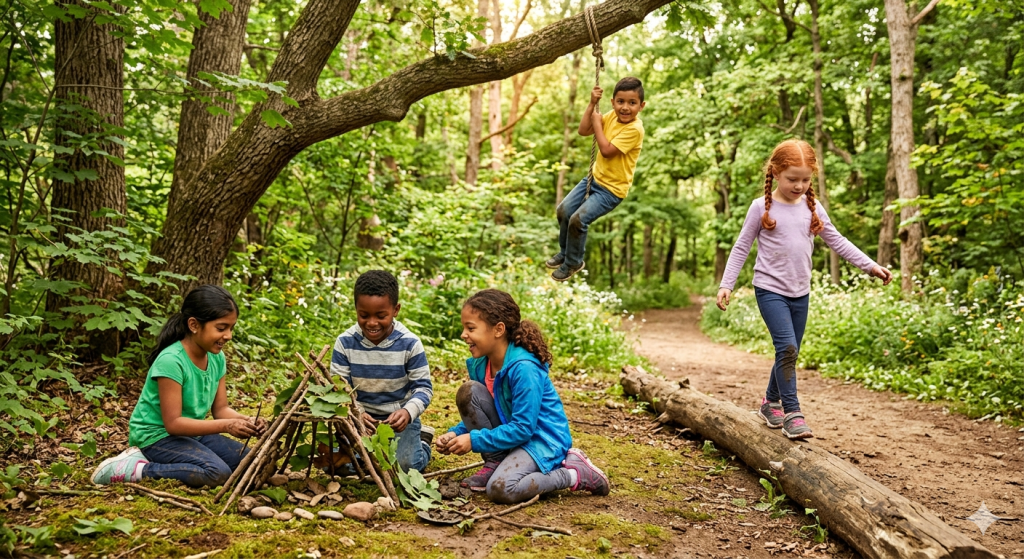
Outdoor play is one of the most important parts of a child’s healthy growth and development. In today’s digital world, many children spend more time indoors using smartphones, tablets, televisions, and gaming devices than engaging in physical activities outside. While technology has its benefits, health experts warn that reduced outdoor play can negatively affect children’s physical health, mental well-being, creativity, and social development. Outdoor activities provide children with opportunities to explore, learn, exercise, and develop essential life skills in a natural environment.
One of the biggest benefits of outdoor play is improved physical health. Running, jumping, climbing, cycling, and playing sports help children build strong muscles and bones while improving balance, coordination, and overall fitness. Regular physical activity also helps maintain a healthy body weight and reduces the risk of childhood obesity. Children who spend more time outdoors are generally more active and less likely to develop sedentary habits associated with excessive screen time. According to health experts, outdoor play supports healthy cardiovascular development and encourages lifelong exercise habits. (who.int)
Outdoor play also plays a major role in supporting children’s mental and emotional health. Spending time in nature can reduce stress, anxiety, and feelings of sadness while improving mood and emotional balance. Fresh air, sunlight, and natural surroundings help children feel calmer and more relaxed. Research shows that children who regularly engage in outdoor activities often experience better emotional well-being and reduced symptoms of stress and behavioral problems. Outdoor environments also encourage curiosity and imagination, which are important for cognitive development. (cdc.gov)
Another important advantage of outdoor play is the development of social skills. When children play outside with friends, siblings, or classmates, they learn how to communicate, cooperate, share, solve problems, and work as a team. Activities such as football, hide-and-seek, and group games help children understand rules, build friendships, and improve confidence. Outdoor play also teaches patience, leadership, and conflict resolution, which are important skills that benefit children throughout life. Learn more
Outdoor activities can also improve children’s academic performance and concentration. Studies suggest that physically active children often perform better in school because exercise increases blood flow to the brain and improves focus, memory, and learning ability. Spending time outdoors may also reduce mental fatigue and help children return to schoolwork feeling refreshed and more attentive. Simple outdoor activities such as nature walks, gardening, and exploration can stimulate creativity and problem-solving skills while encouraging children to learn about the world around them.
Sunlight exposure during outdoor play is another important health benefit. Safe exposure to sunlight helps the body produce vitamin D, which is essential for strong bones, teeth, and immune system function. Many children today spend limited time outdoors, increasing the risk of vitamin D deficiency. However, experts recommend balancing outdoor time with proper sun protection to avoid excessive sun exposure.
Outdoor play also encourages independence and confidence in children. Exploring parks, playgrounds, and outdoor environments allows children to test their abilities, make decisions, and overcome small challenges. Whether climbing a tree, learning to ride a bicycle, or participating in sports, outdoor experiences help children build self-esteem and resilience. These activities teach children how to manage risks safely while developing problem-solving abilities and confidence in their own skills.
Unfortunately, modern lifestyles have reduced the amount of time children spend outdoors. Increased academic pressure, urbanization, safety concerns, and digital entertainment have caused many children to become less physically active. In some communities, limited access to safe parks and recreational spaces also affects children’s opportunities for outdoor activities. Health experts warn that too much indoor time can contribute to obesity, poor mental health, sleep problems, and reduced social interaction among children.
Parents and schools can play a major role in encouraging outdoor play. Limiting screen time, organizing outdoor family activities, promoting sports participation, and creating safe play environments can help children become more active. Schools can also support child development by including regular physical education classes, outdoor games, and recreational activities in daily routines. Even simple activities such as walking, skipping rope, or playing in the park can greatly improve a child’s physical and emotional well-being.
Online discussions among parents and child health communities also highlight growing concerns about how excessive indoor lifestyles are affecting children today. Many believe that encouraging outdoor play is essential for raising healthier, happier, and more socially connected children.
Read: Why Childhood Obesity Is Rising Rapidly in 2026
Conclusion
Outdoor play is extremely important for child development because it supports physical fitness, emotional well-being, social skills, creativity, and academic performance. Spending time outside helps children stay active, reduce stress, build confidence, and develop healthier lifestyles. In a world increasingly dominated by screens and indoor activities, encouraging outdoor play is more important than ever. By creating opportunities for children to explore and play outdoors safely, parents and communities can support healthier growth and lifelong well-being.