Why Childhood Obesity Is Rising Rapidly in 2026
Childhood obesity has become one of the biggest global health concerns in 2026. More children today are becoming overweight at younger ages due to unhealthy diets, reduced physical activity, increased screen time, stress, and changes in modern lifestyles. Health experts warn that the problem is growing not only in wealthy countries but also in developing nations where fast food and processed meals are becoming more common.
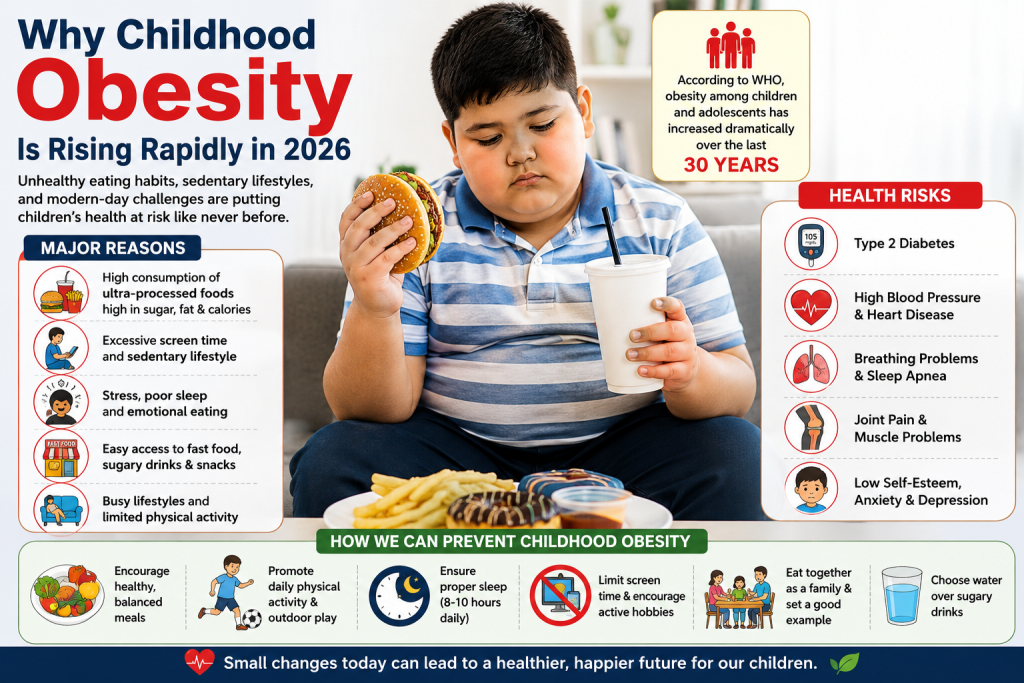
According to the World Health Organization, obesity among children and adolescents has increased dramatically over the last three decades. One major reason childhood obesity is rising rapidly is the increased consumption of ultra-processed foods. Many children now eat foods high in sugar, unhealthy fats, and calories, including sugary drinks, snacks, instant noodles, fast foods, and packaged desserts. These foods are often cheaper, easier to access, and heavily advertised to children online and on television. Unfortunately, they contain very little nutritional value while contributing to excessive weight gain. Studies also show that children are consuming more processed foods than ever before, increasing their risk of obesity and other chronic diseases. Another important factor is the sharp rise in screen time among children. Smartphones, tablets, gaming consoles, streaming platforms, and social media have significantly reduced physical activity. Many children spend hours sitting indoors watching videos or playing games instead of engaging in outdoor activities and exercise. Learn more
A sedentary lifestyle reduces the number of calories burned daily, making weight gain more likely. Experts also note that children who spend more time on screens are more likely to snack frequently on unhealthy foods. Modern family lifestyles also contribute to the problem. Busy parents often have limited time to prepare healthy home-cooked meals, leading families to depend on fast foods and convenience meals. In some communities, healthy foods such as fruits, vegetables, and whole grains are expensive or difficult to access, while junk food is cheap and widely available. Economic challenges, urbanization, and limited recreational spaces further reduce opportunities for healthy living among children. Poor sleep habits are another overlooked cause of childhood obesity.
Many children stay awake late using phones or watching television, which affects hormones that control hunger and appetite. Lack of sleep can increase cravings for sugary and high-calorie foods while reducing energy levels for physical activity during the day. Researchers now consider inadequate sleep an important contributor to unhealthy weight gain in children. Mental health and emotional stress are also playing a growing role in childhood obesity. Academic pressure, family stress, bullying, anxiety, and emotional problems may lead some children to overeat as a coping mechanism. Emotional eating often involves unhealthy comfort foods that are high in sugar and fat. Experts now recognize that childhood obesity is not simply caused by overeating but is also connected to emotional and environmental factors. The health effects of childhood obesity can be serious and long-lasting.
Overweight children are more likely to develop type 2 diabetes, high blood pressure, breathing problems, sleep disorders, and joint pain. Childhood obesity can also affect self-esteem, confidence, and mental health due to bullying and social stigma. Most importantly, obese children are more likely to remain obese as adults, increasing their risk of heart disease and other chronic illnesses later in life. Preventing childhood obesity requires teamwork between parents, schools, communities, and governments. Encouraging healthy eating habits, limiting sugary drinks, increasing physical activity, reducing screen time, and promoting better sleep are essential steps. Schools can also play an important role by providing healthier meals and encouraging sports and outdoor activities. Parents should set positive examples by choosing nutritious meals and creating active family routines. Small daily lifestyle changes can make a significant difference in protecting children’s health and future well-being.
Recent discussions online also show growing public concern about how processed foods and reduced physical activity are affecting children’s health worldwide. Many parents and health communities believe that unhealthy modern lifestyles are contributing to the rapid rise in childhood obesity.
Read: Intimacy and Expectations: A Guide to Sex During Pregnancy
Conclusion
Childhood obesity is rising rapidly in 2026 because of unhealthy diets, increased screen time, sedentary lifestyles, stress, and reduced physical activity. The growing availability of ultra-processed foods and changing modern habits are making it harder for children to maintain a healthy weight. However, with early intervention, healthier nutrition, regular exercise, quality sleep, and supportive environments, childhood obesity can be prevented. Helping children develop healthy habits today is essential for building a healthier generation tomorrow.