The Benefits of Cold Showers: Myth or Science?
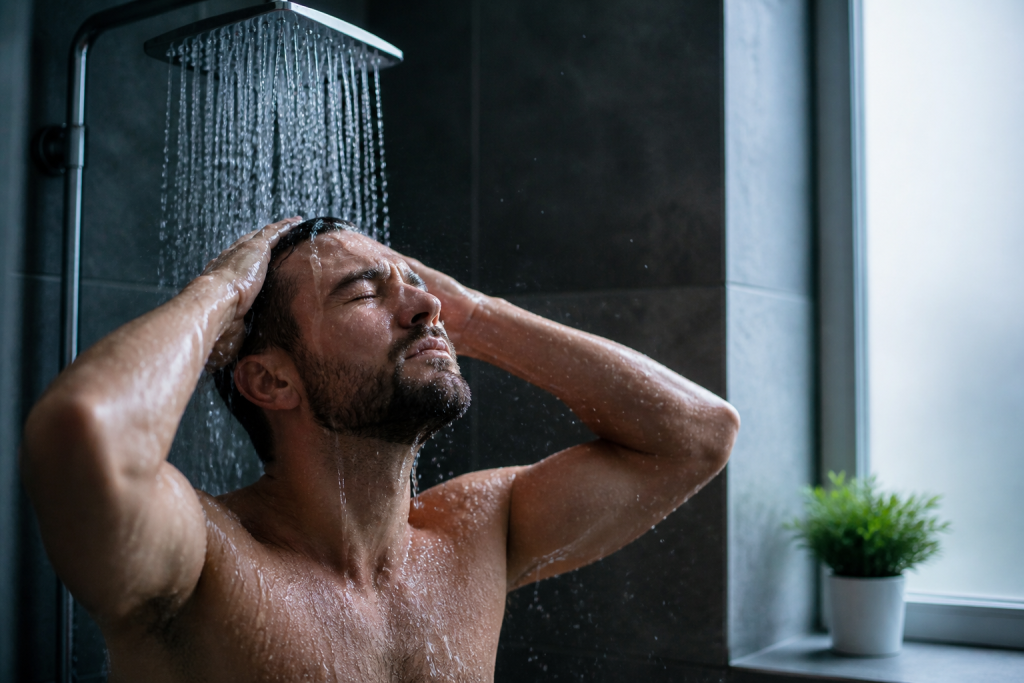
Cold showers have gained popularity in recent years, often promoted as a simple habit with powerful health benefits. From boosting immunity to improving mood, the claims can sound almost too good to be true. But how much of this is backed by science, and how much is just hype? Let’s take a closer look at what really happens when you turn the temperature down.
What Happens to Your Body in a Cold Shower?
When your body is exposed to cold water, it reacts immediately. Blood vessels constrict (a process known as vasoconstriction), your heart rate increases slightly, and your breathing becomes quicker. This is part of your body’s natural “fight or flight” response, designed to help you adapt to sudden changes in temperature.
As you continue the exposure, your body begins to adjust. Blood circulation improves as your system works to maintain core temperature. This physiological response is one of the main reasons cold showers are often linked to potential health benefits. Learn more
Claim 1: Cold Showers Boost Immunity
One of the most common claims is that cold showers can strengthen your immune system. Some studies suggest that regular exposure to cold water may increase the production of white blood cells, which help fight infections. Additionally, the mild stress caused by cold exposure may improve your body’s resilience over time.
However, it’s important to note that the evidence is still limited. Cold showers may support immune function, but they are not a substitute for proven health practices like proper nutrition, sleep, and hygiene.
Claim 2: They Improve Circulation
There is solid physiological reasoning behind this claim. Cold water causes blood vessels near the skin to constrict, and once you warm up afterward, they dilate again. This process can promote better blood flow throughout the body.
Improved circulation may help with muscle recovery, reduce inflammation, and support overall cardiovascular health. This is why athletes often use cold water immersion after intense workouts.
Claim 3: Cold Showers Boost Mood and Mental Health
Cold showers may have a positive effect on mental well-being. The sudden exposure to cold water stimulates the release of endorphins, chemicals in the brain that help improve mood. Some research also suggests that cold exposure may reduce symptoms of mild depression by activating the nervous system.
Additionally, starting your day with a cold shower can increase alertness and energy levels, helping you feel more awake and focused.
Claim 4: They Aid Weight Loss
Another popular claim is that cold showers can help burn fat. This idea is based on the activation of brown fat, a type of fat that generates heat by burning calories when exposed to cold temperatures.
While this process is real, the effect from a typical cold shower is relatively small. It’s not enough to significantly impact weight loss on its own. Regular exercise and a balanced diet remain far more effective strategies.
Are There Any Risks?
Cold showers are generally safe for healthy individuals, but they are not suitable for everyone. Sudden exposure to cold water can cause a rapid increase in heart rate and blood pressure, which may be risky for people with cardiovascular conditions.
If you’re new to cold showers, it’s best to start gradually perhaps by ending a warm shower with 15–30 seconds of cold water and slowly increasing the duration over time.
Myth vs Science: What’s the Verdict?
So, are cold showers a miracle health hack? Not quite. But they’re not a myth either.
There is some scientific support for benefits like improved circulation, increased alertness, and potential mood enhancement. However, many of the more dramatic claims such as major immune boosts or significant weight loss are often exaggerated.
How to Make Cold Showers Work for You
If you’re interested in trying cold showers, the key is consistency and moderation. You don’t need to suffer through freezing water for long periods. Even short bursts can provide benefits.
- Start with warm water and gradually reduce the temperature
- Aim for 30 seconds to 2 minutes of cold exposure
- Focus on steady breathing to stay relaxed
- Be consistent rather than extreme
Read: Why Walking 10,000 Steps a Day May Not Be Necessary
Final Thoughts
Cold showers sit somewhere between myth and science. While they won’t replace essential health habits, they can be a useful addition to your routine if done correctly. Think of them as a small, energizing boost rather than a cure-all solution.
At the end of the day, the best health practices are still the basics: regular exercise, good nutrition, quality sleep, and stress management. Cold showers can complement these habits but they shouldn’t replace them.